News & Events
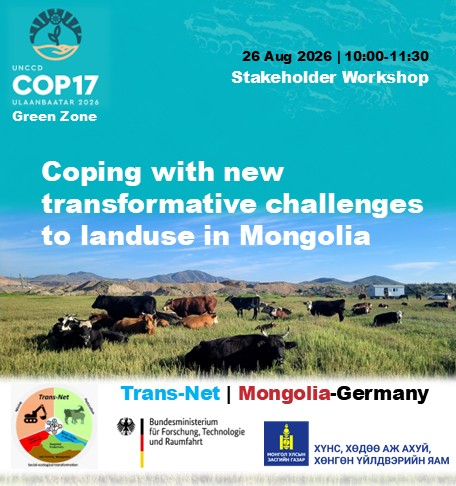
Stakeholder workshop | 26 Aug 2026 | Location- COP17, Ulaanbaatar, Mongolia
Concept note & event focus
Rapid expansion of mining and socio-economic shifts are reshaping centuries-old pastoral landscapes in Mongolia. This side event showcases survey data from interdisciplinary work of the Trans-Net project (2025–2028) between Germany and Mongolia under funding of the German Federal Ministry of Research, Technology and Space (BMFTR). The session aims at bringing together scientists, herder representatives, and policymakers from Mongolia and Germany to demonstrate show the benefit of transcending disciplinary boundaries in the analysis of the effects of mining on land use, pastoral livelihoods, and environmental impacts such as noise, dust, and water quality. The workshop objective is to chart actionable pathways that protect traditional nomadic livelihoods while taking benefits of Mongolia's Natural Resources under the country’s National Land Degradation Neutrality commitments.
Event details
On 23 August 2026, the Trans-Net project organised a stakeholder workshop in Mongolia, led by the Ministry of Food, Agriculture and Light Industry (MOFALI) and co-organised by the Mongolian University of Life Sciences (MULS), National University of Mongolia (NUM), University of Kassel, and University of Göttingen.
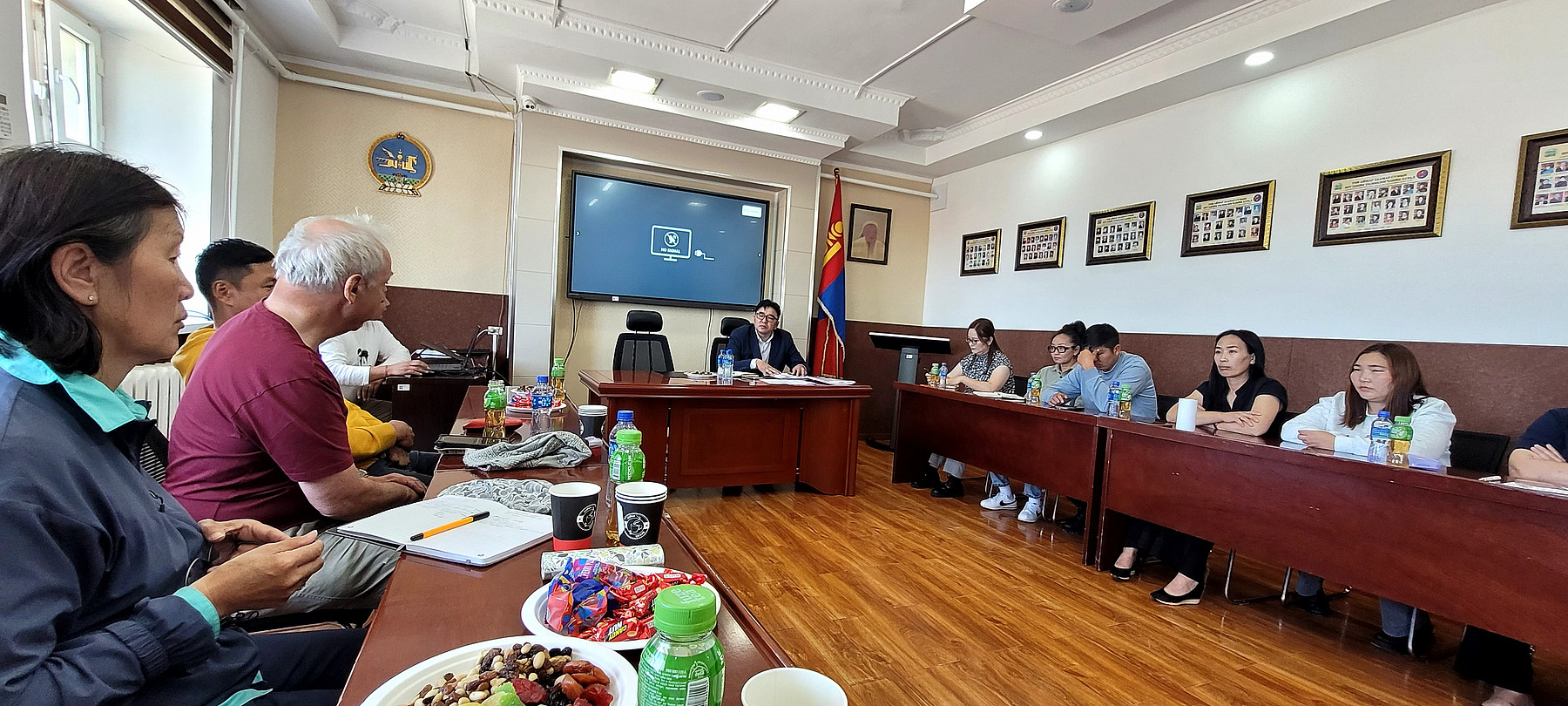
The workshop brought together representatives from government, academia, local administration, social association, and herder communities to discuss the social-ecological challenges associated with mining and its interactions with agricultural and pastoral systems in Mongolia. Following an overview of the Trans-Net project by Prof. Dr. Andreas Buerkert, a panel discussion involving project researchers, MOFALI representatives, academicians both from Mongolia and Germany, PhDs, and a herder from Zaamar Soum provided an opportunity to exchange scientific, policy, and local perspectives. The workshop concluded with an open Q&A and networking session, supporting dialogue among stakeholders on the challenges and opportunities related to ongoing land-use transformations in Mongolia.
Funded by German Federal Ministry of Research, Technology and Space (BMFTR), Germany


Field workshop | 17-20 August 2026 | Khailaast Bagh, Zaamar Soum, Tuv Province, Mongolia
Concept note & event focus
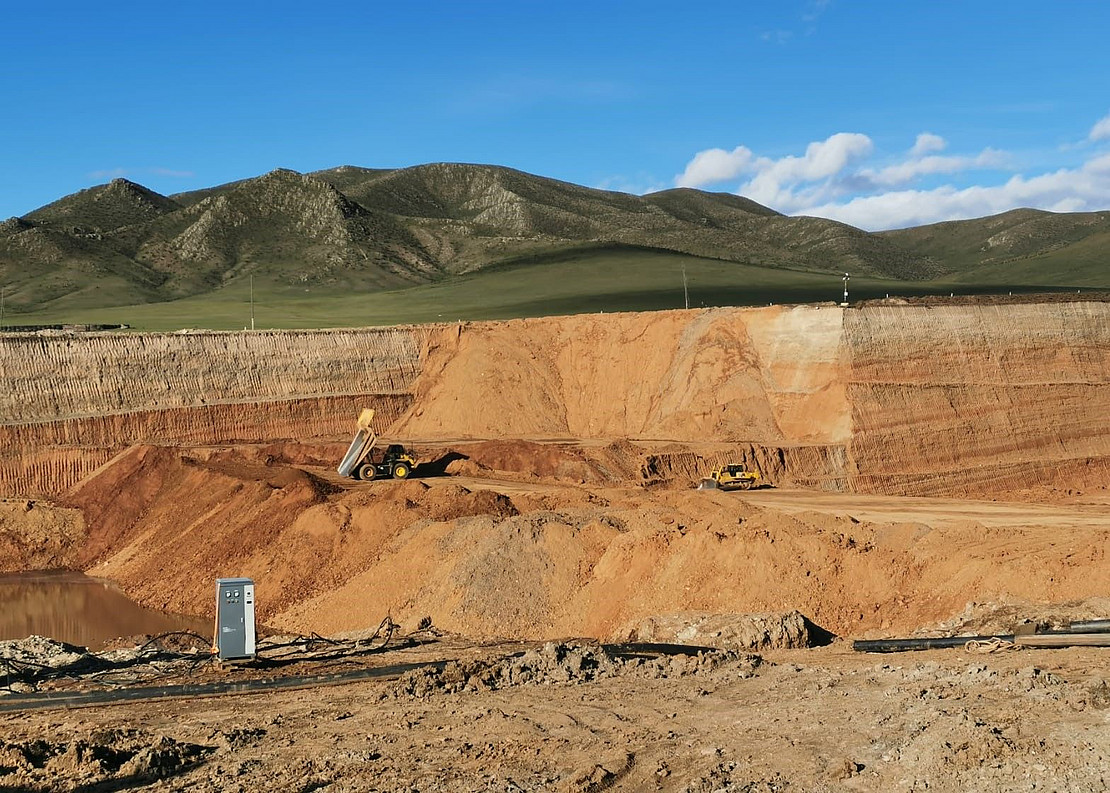
Mining activities and changing land-use practices are reshaping pastoral landscapes in Mongolia. As part of the TRANS-NET project (Coping with New Transformative Challenges to Land Use in Mongolia), a joint field workshop was organised to strengthen interdisciplinary research collaboration and assess the interactions between mining, pastoralism, and local livelihoods.
The workshop aimed to facilitate joint field observations, exchange research findings, assess ongoing fieldwork activities, and identify future research priorities related to socio-economic, environmental, and land-use transformations in Mongolia.
Event details
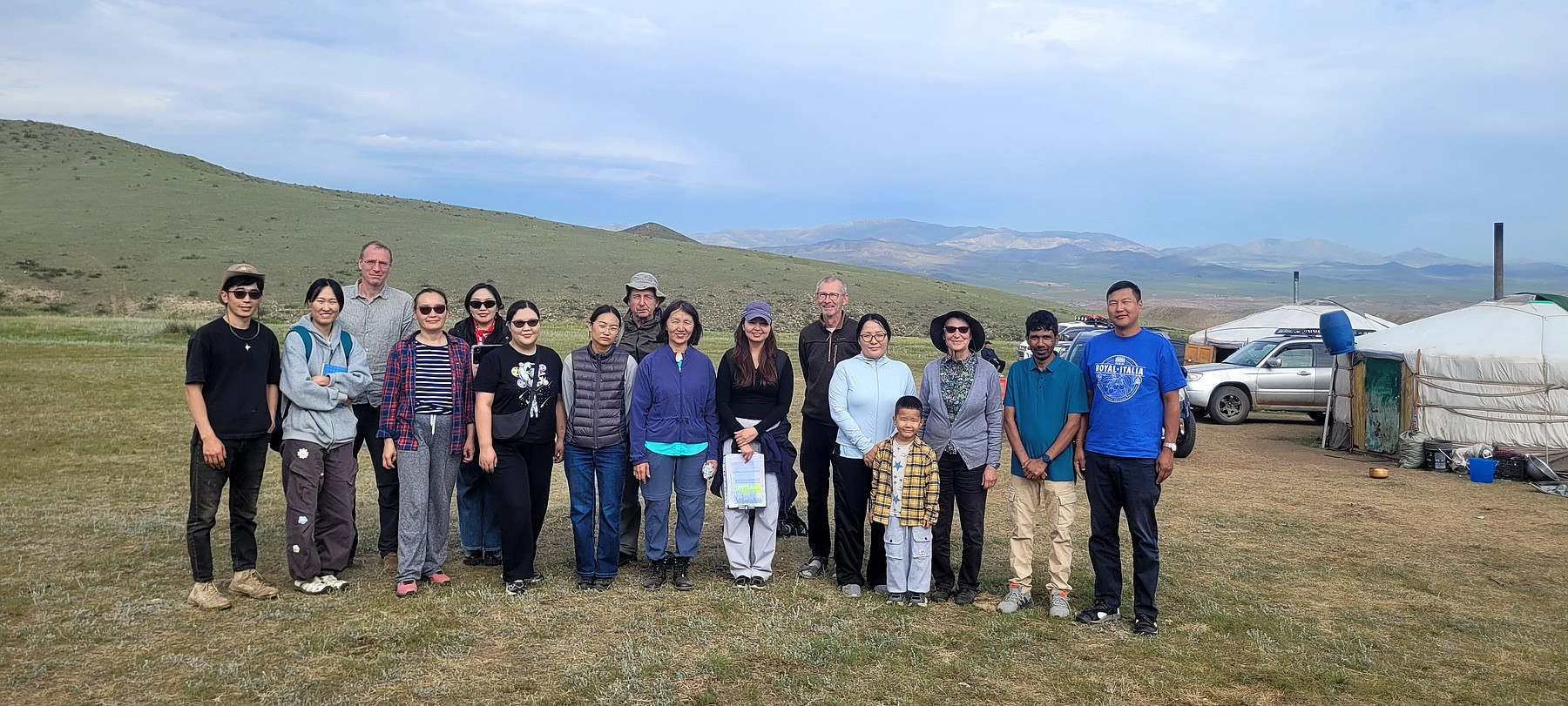
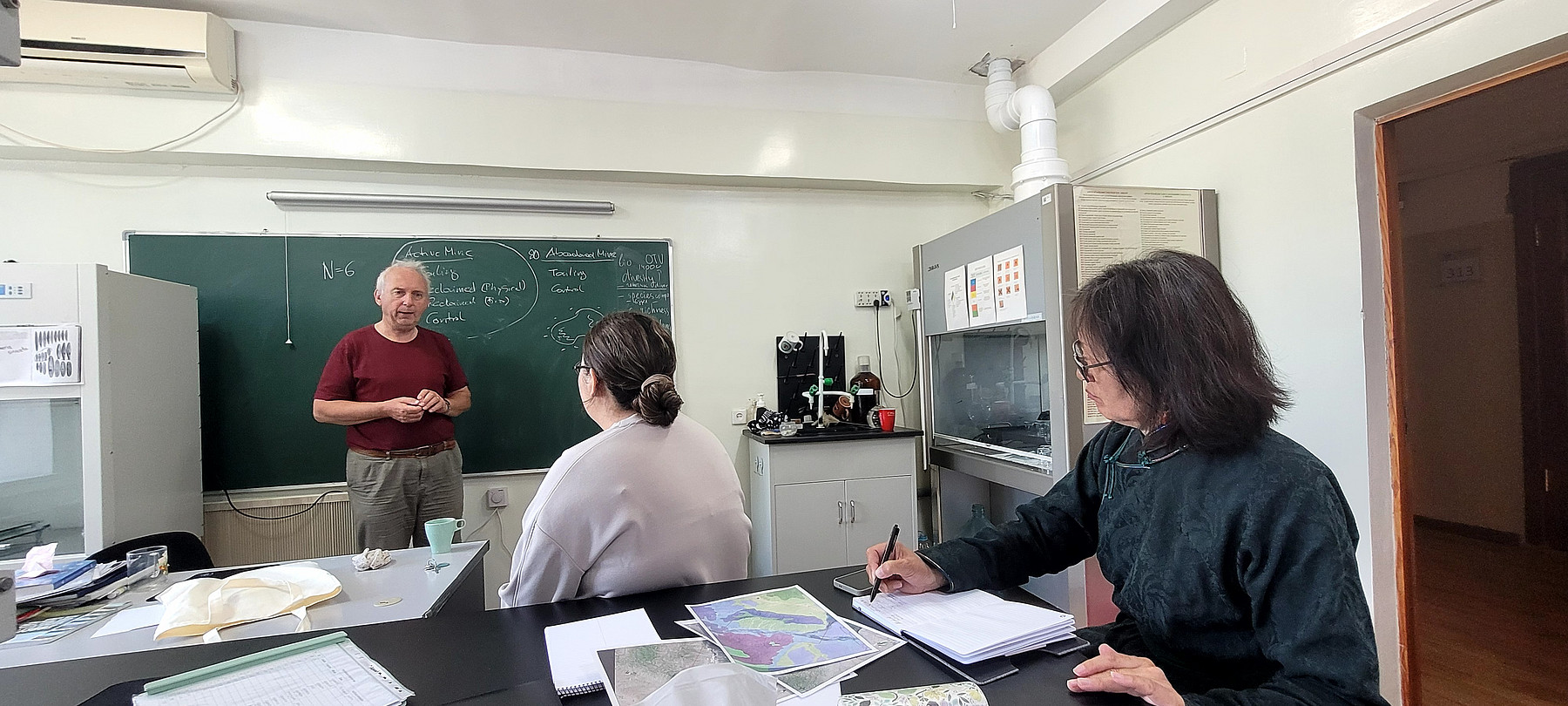
From 17 to 20 August 2026, the TRANS-NET project conducted a joint field workshop in Khailaast Bagh, Zaamar Soum, Tuv Province, Mongolia, bringing together project leaders, coordinators, academic staff, researchers, PhD and Master's students, and visiting scholars from Mongolian and German partner institutions.
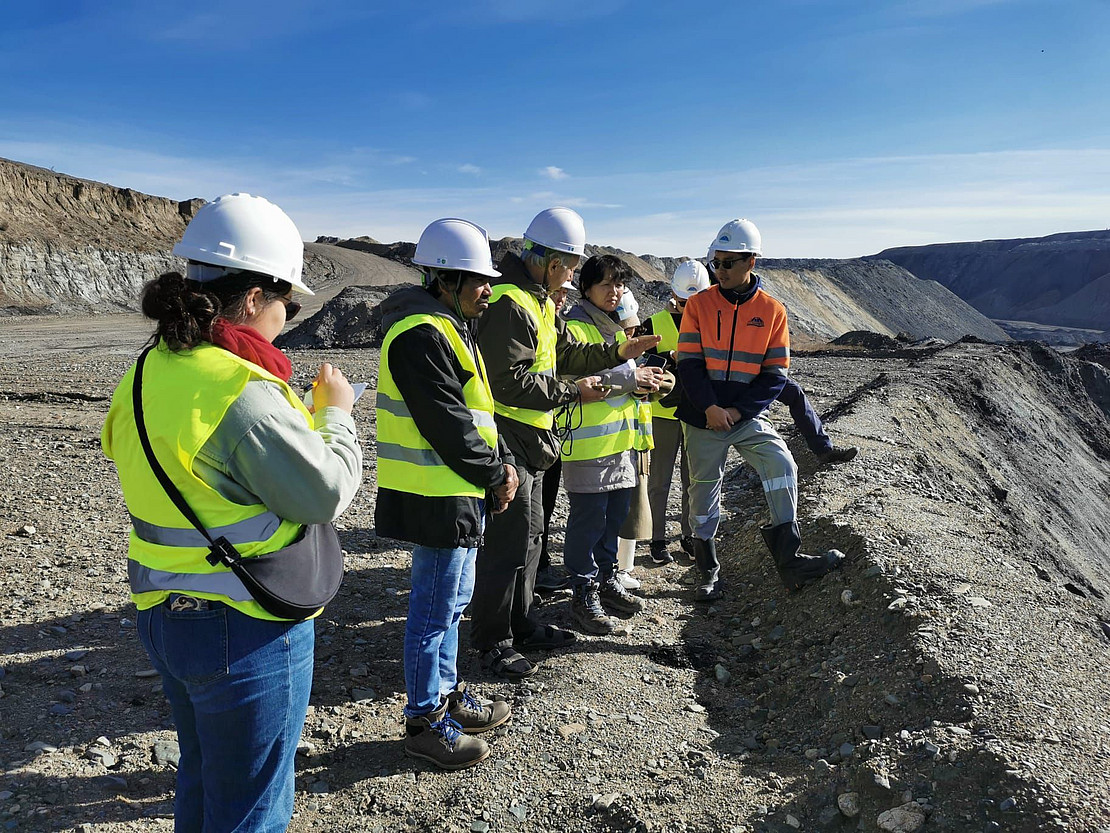
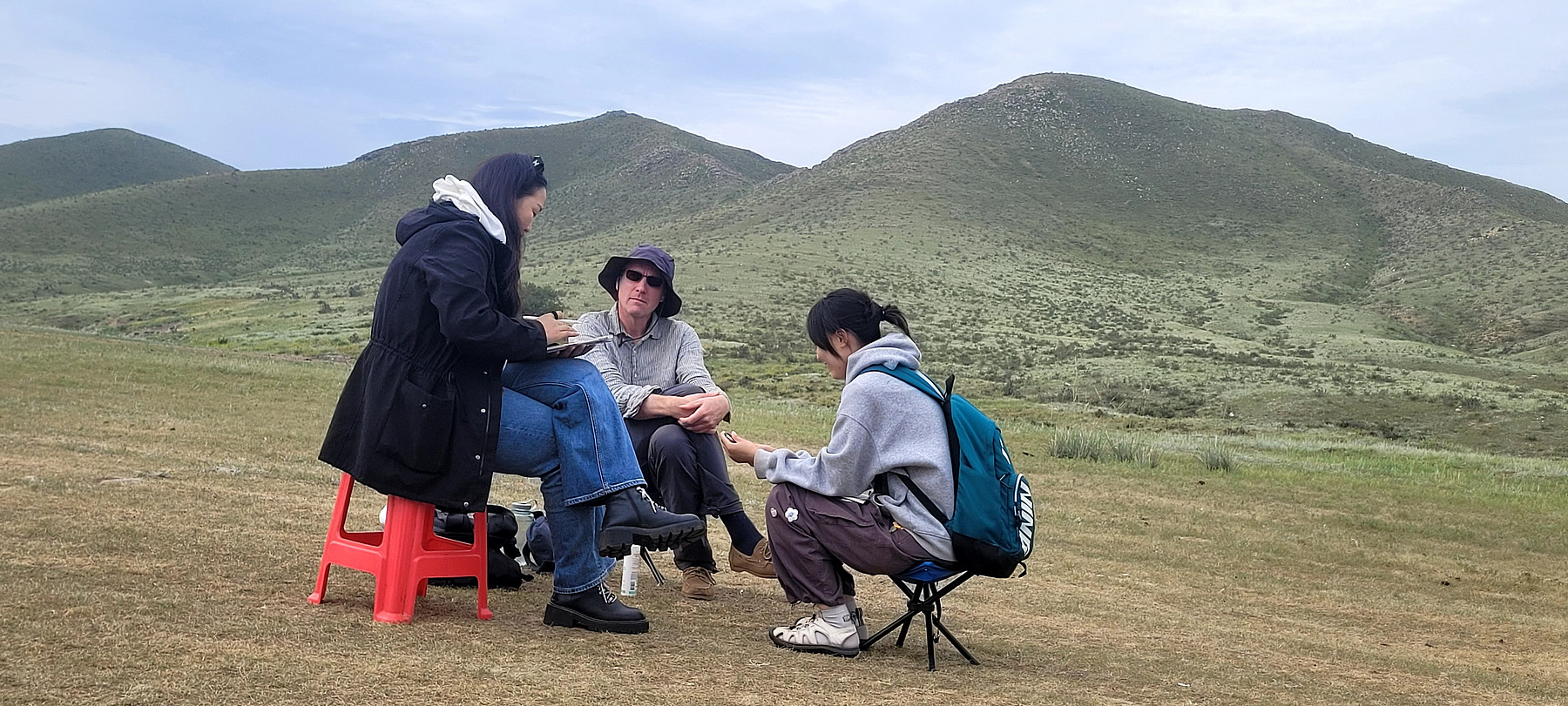
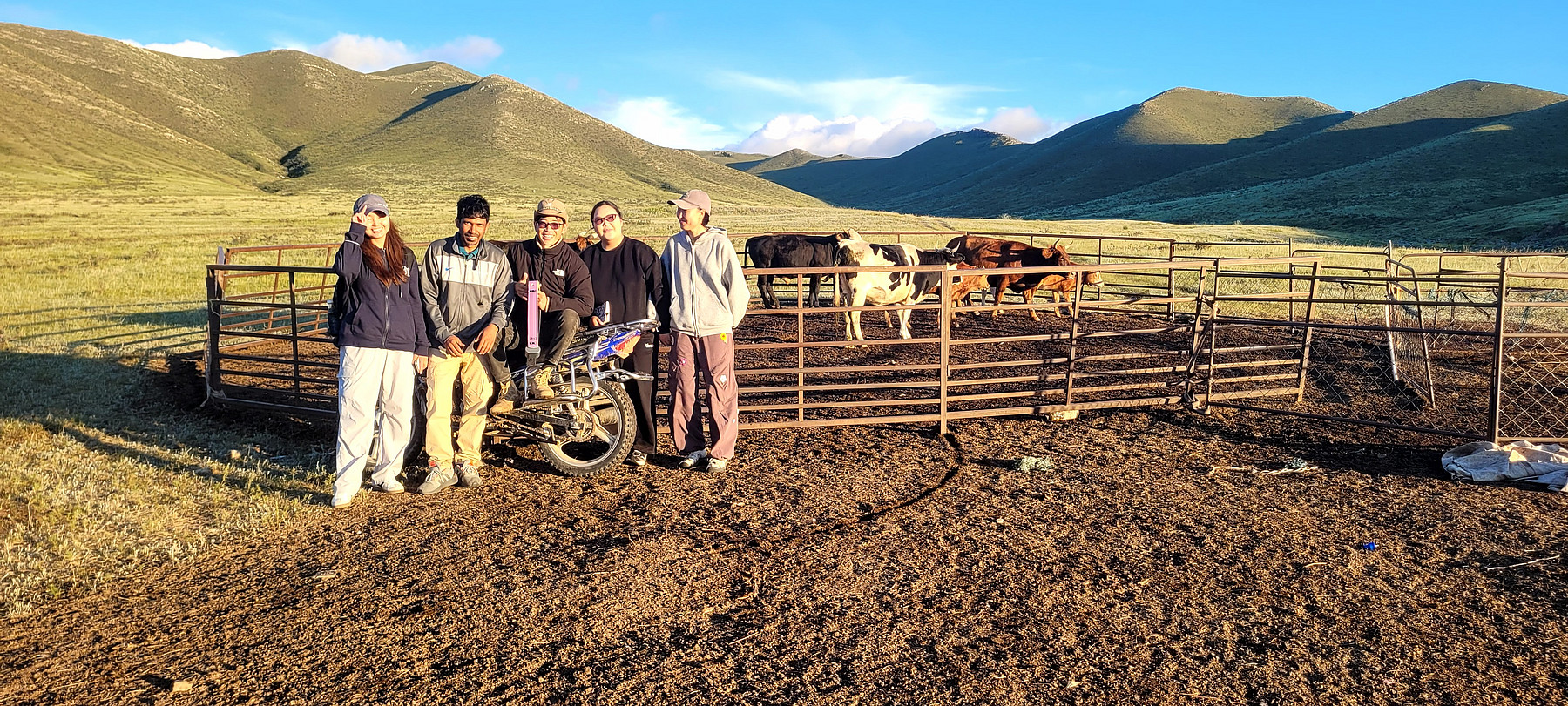
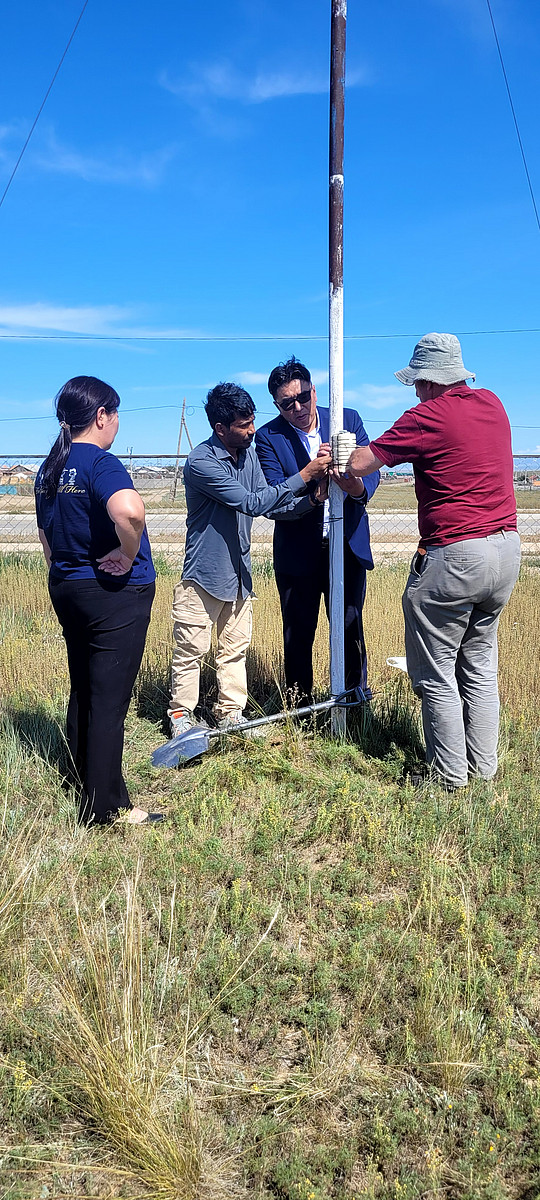
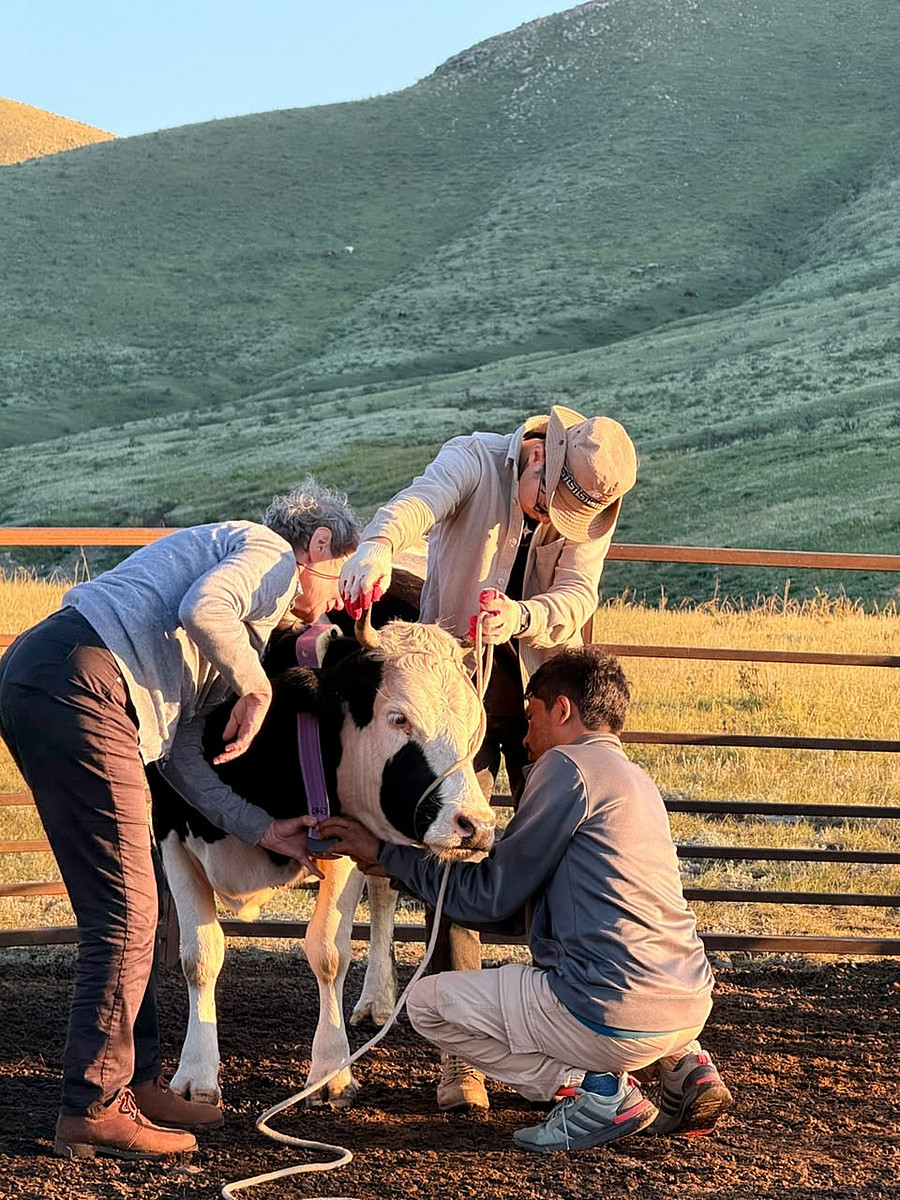
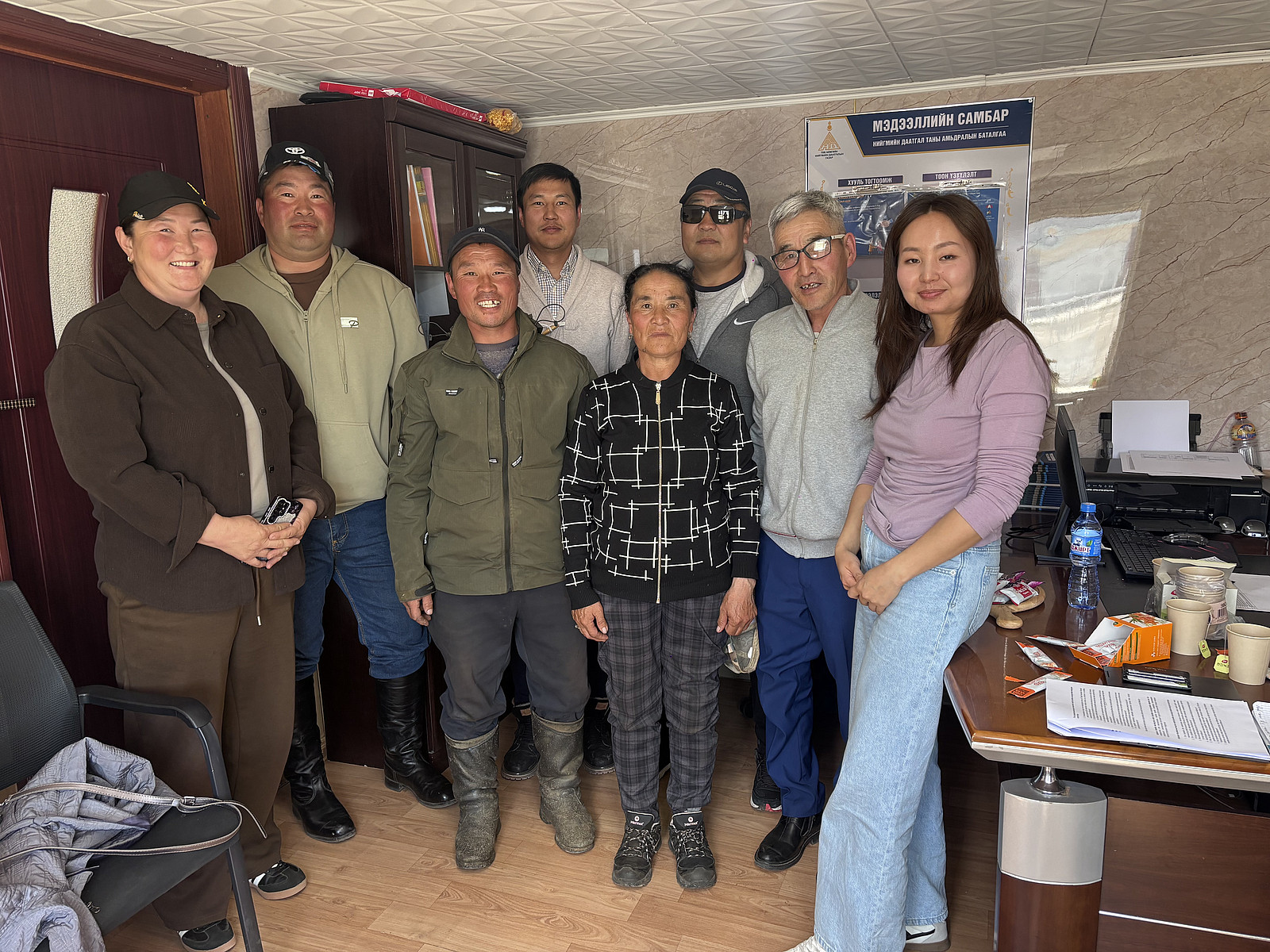
During the workshop, participants met with local authorities and relevant institutions, visited project research sites, and conducted interdisciplinary field observations to better understand mining-related environmental changes, pastoral livelihoods, and local land-use dynamics.
The workshop concluded with a joint project meeting, where participants shared field observations, reviewed the progress of ongoing research activities, and discussed future research directions and collaborative activities within the TRANS-NET project.
Funded by German Federal Ministry of Research, Technology and Space (BMFTR), Germany
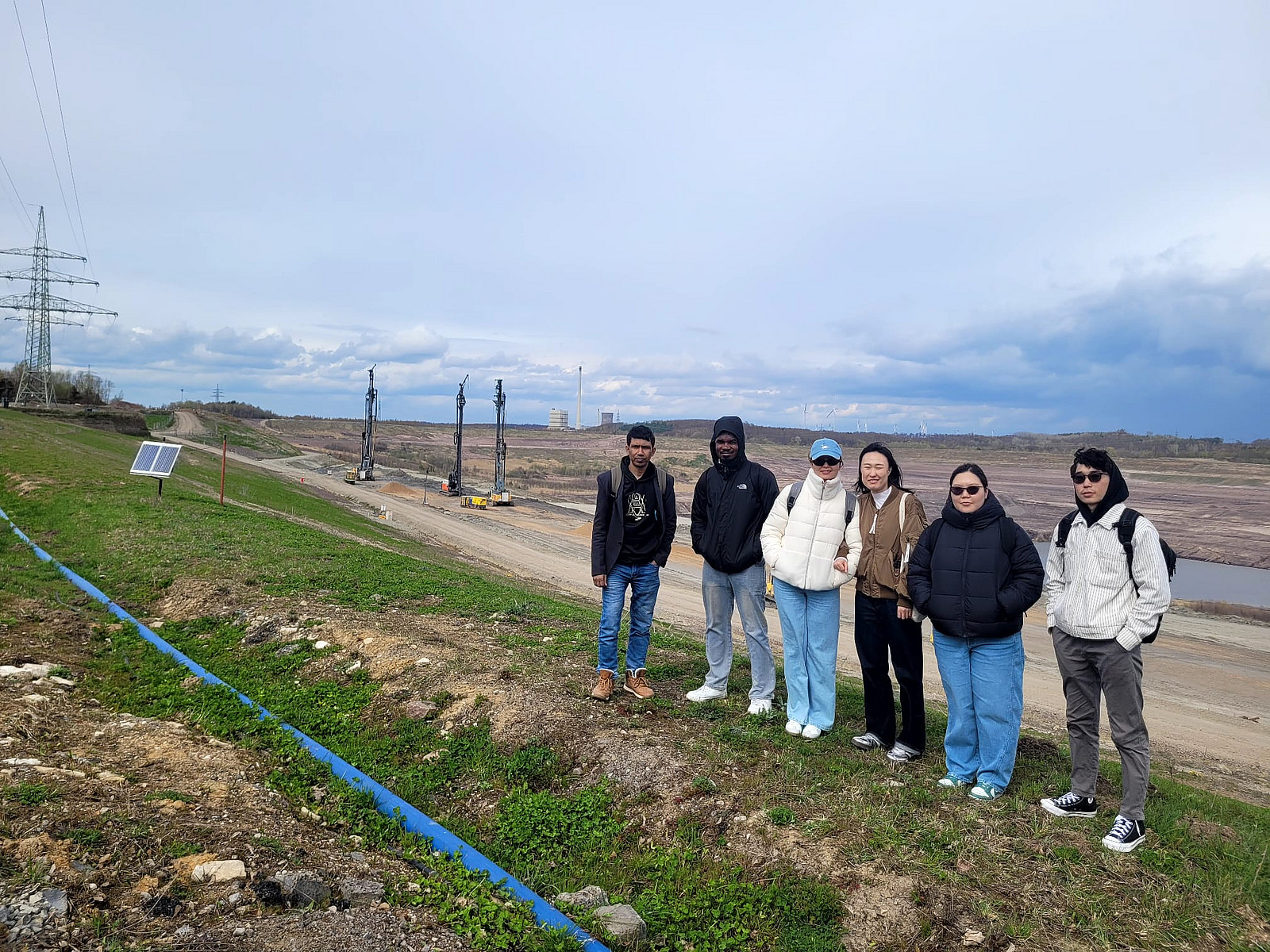
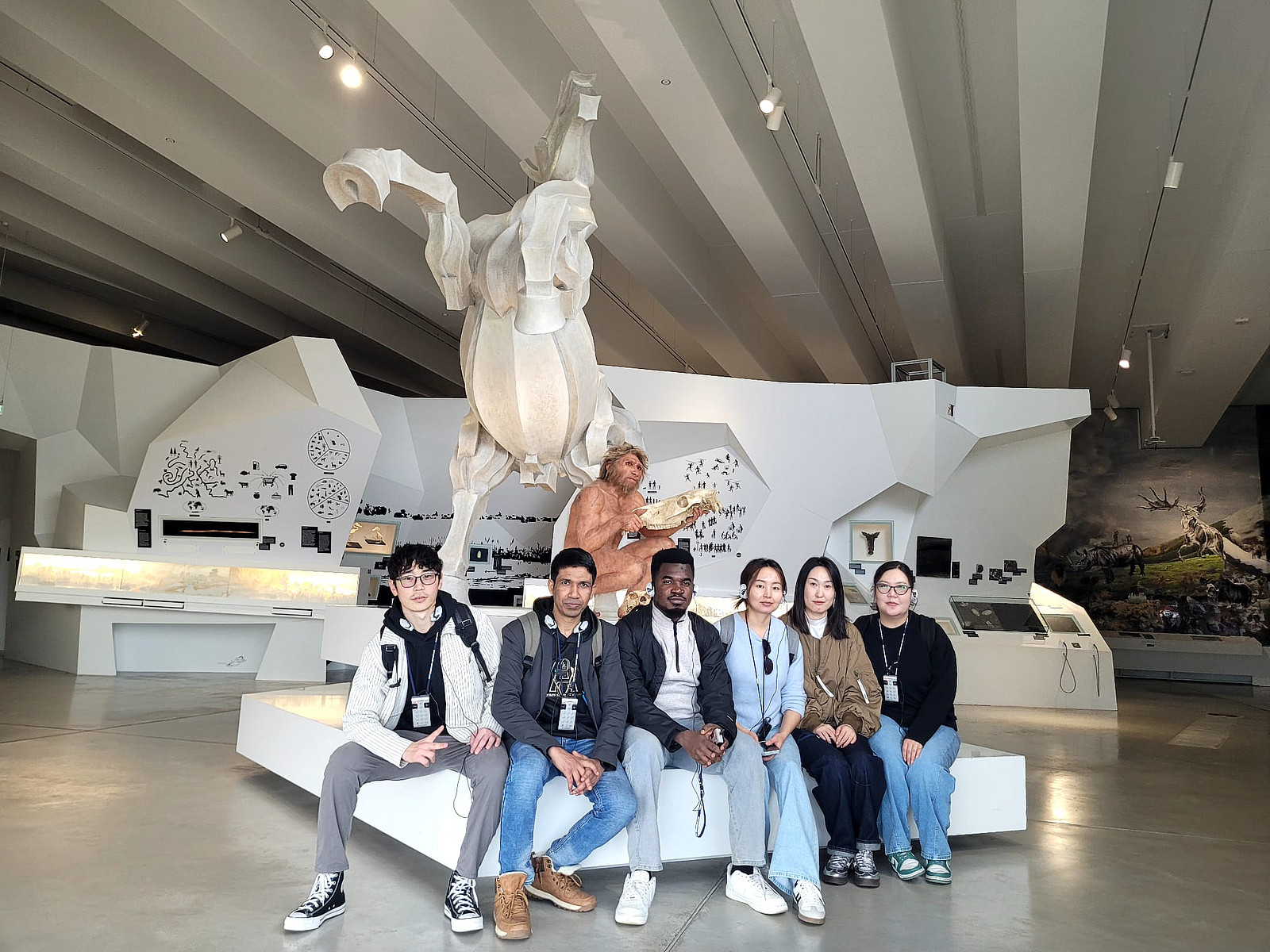
Excursion for our Trans-Net PhD and Master’s Students..... April 5, 2026
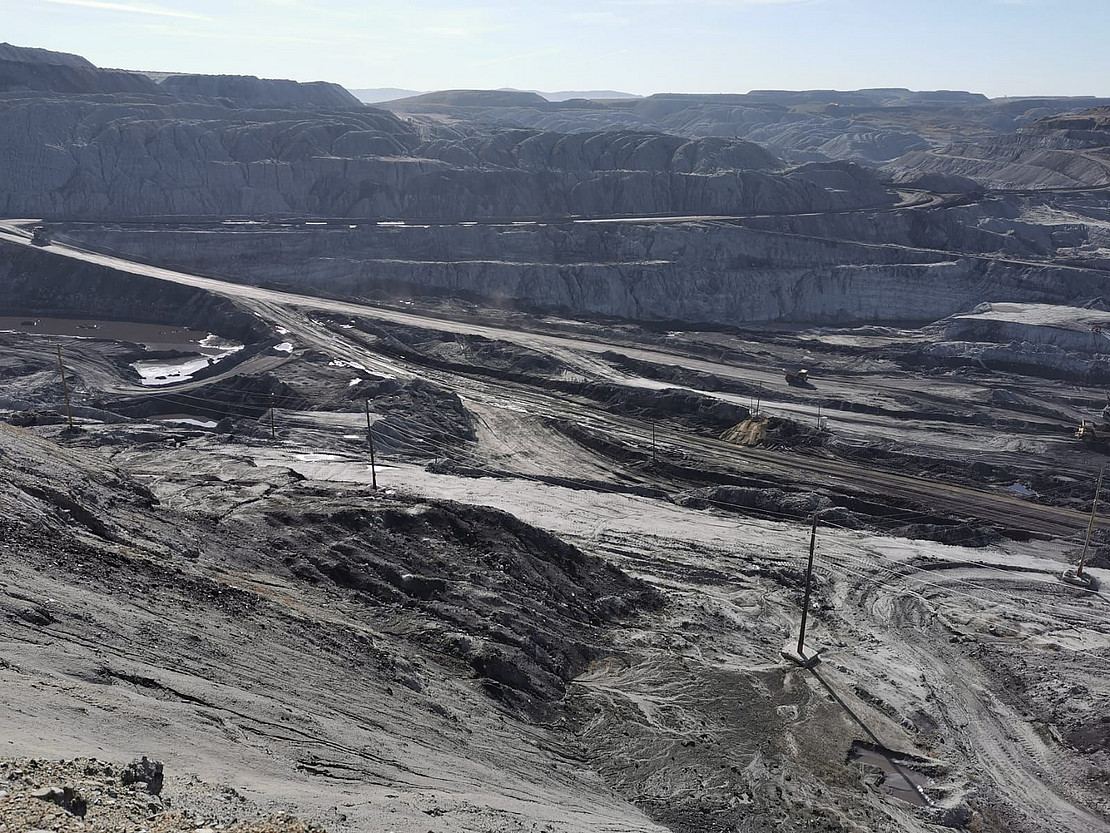
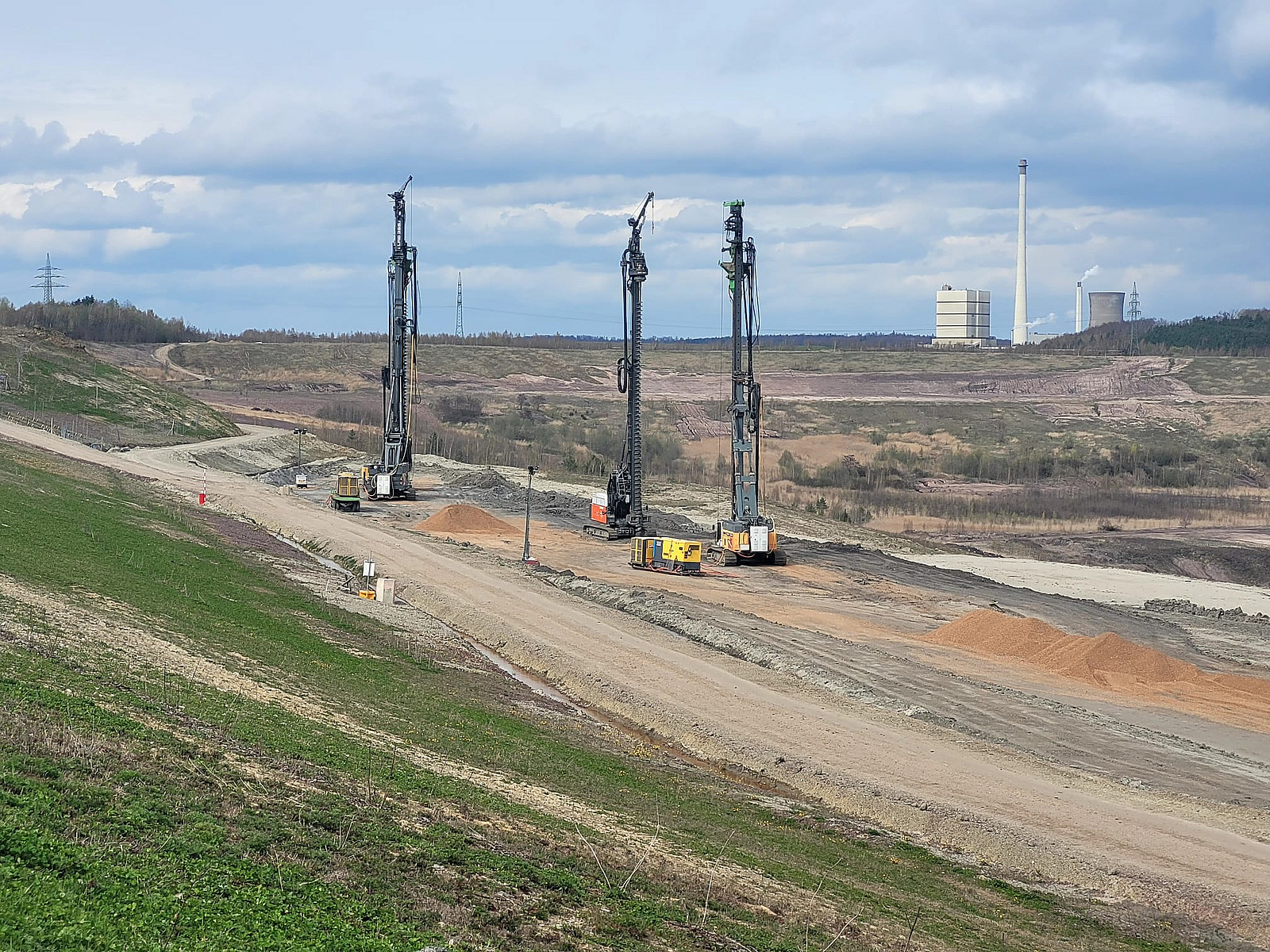
Students visited the former brown coal mining site near Braunschweig together with the project coordinator. The mine started operating around 1970 and has been closed since 2020. It is currently undergoing a rehabilitation process.
As part of this process, the mining area is first being secured, followed by the introduction of natural vegetation and tree plantations to restore the landscape. The site is expected to be transformed into a lake in the future. There are also plans to introduce wildlife at a later stage; however, local residents have expressed some concerns about this.
It was a valuable learning experience for both students and researchers, connecting post-mining rehabilitation practices in Germany to their potential application in Mongolia.
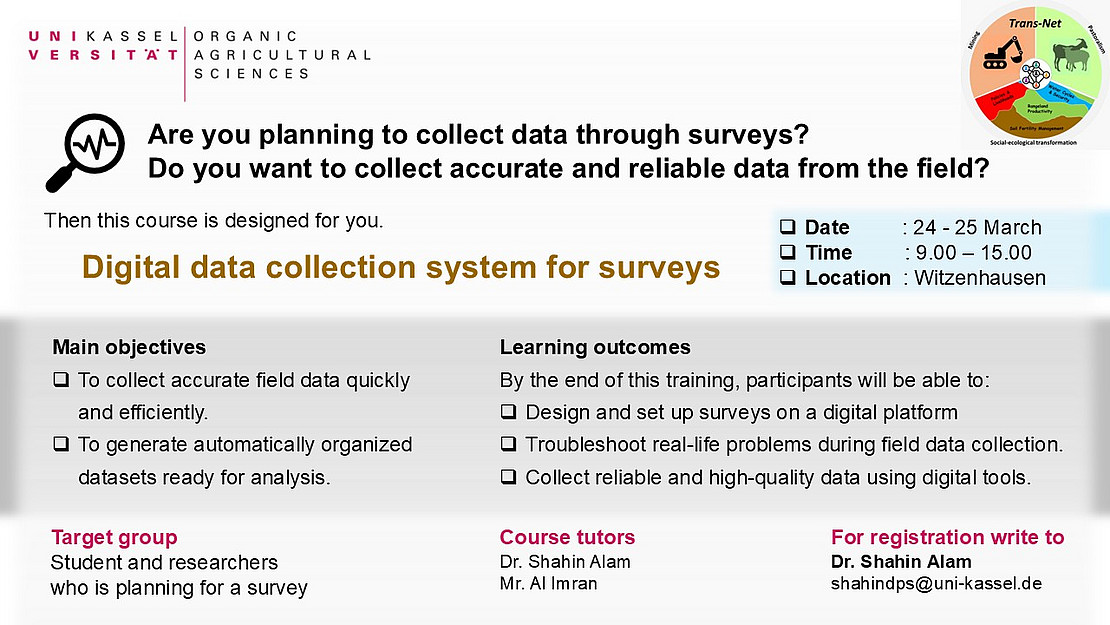
Course: Digital data collection system for surveys
Preparing the TransNet Project Launch in Mongolia
Location: Mongolia
Date: October 2025
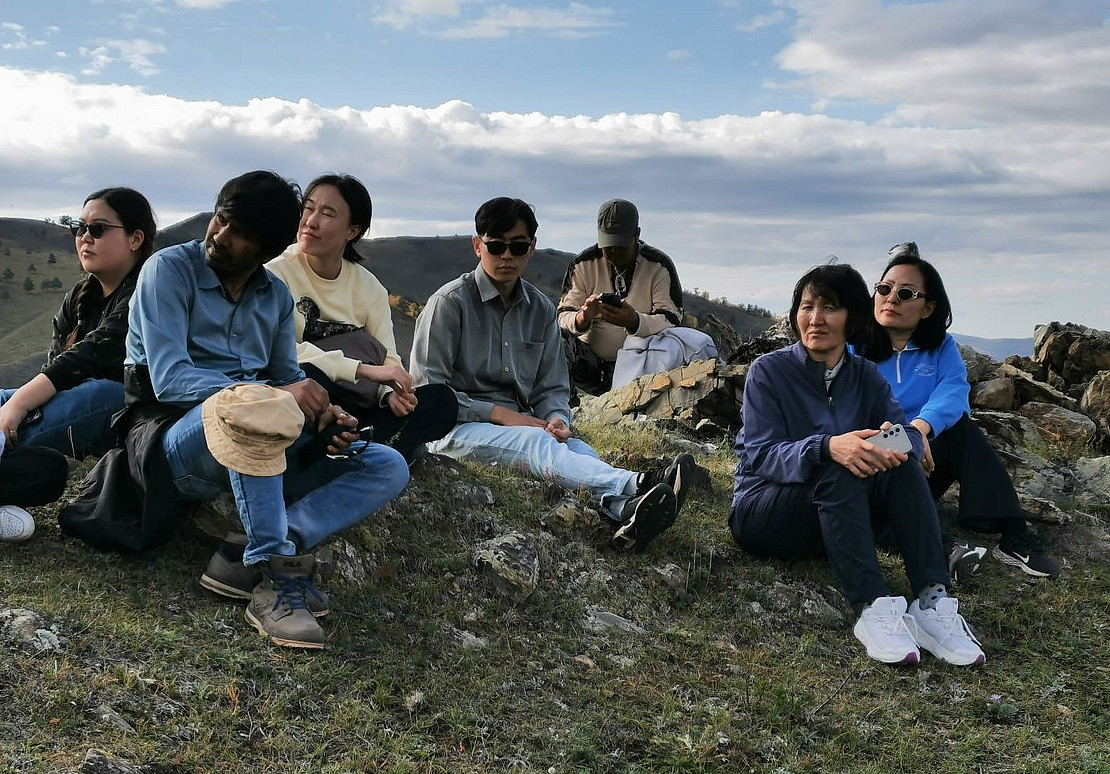
Project team members recently joined the newly established TransNet consortium to prepare the launch of a research project focusing on the challenges and opportunities that mining presents for herders’ livelihoods.
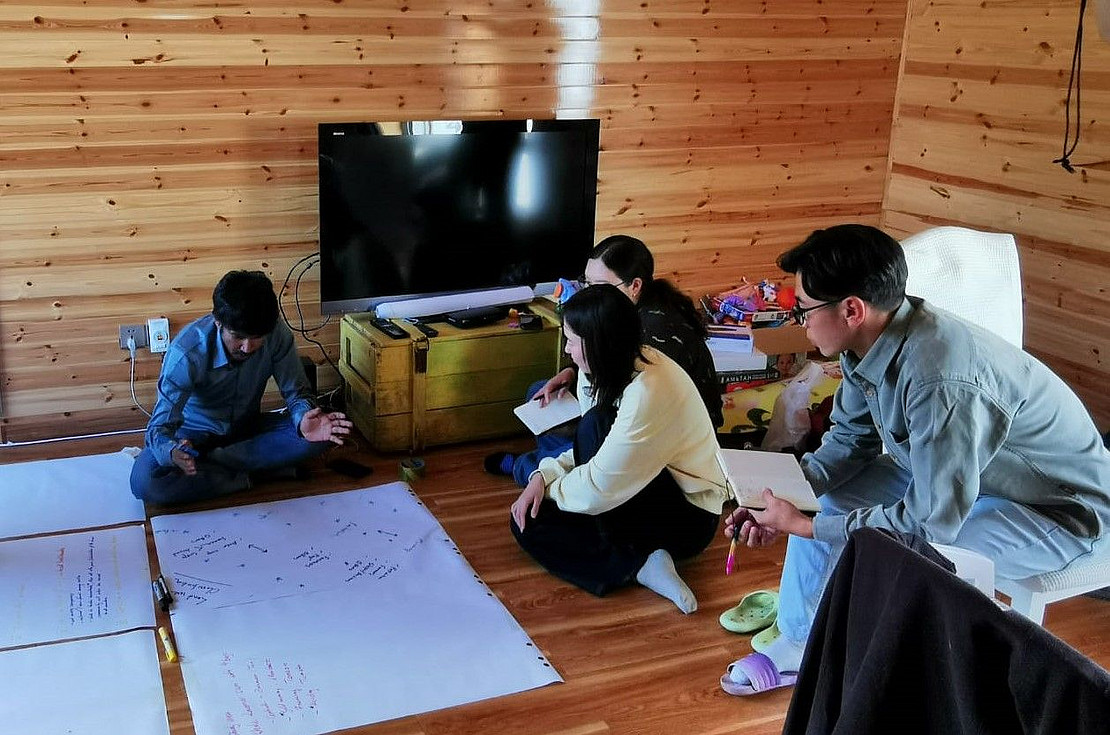
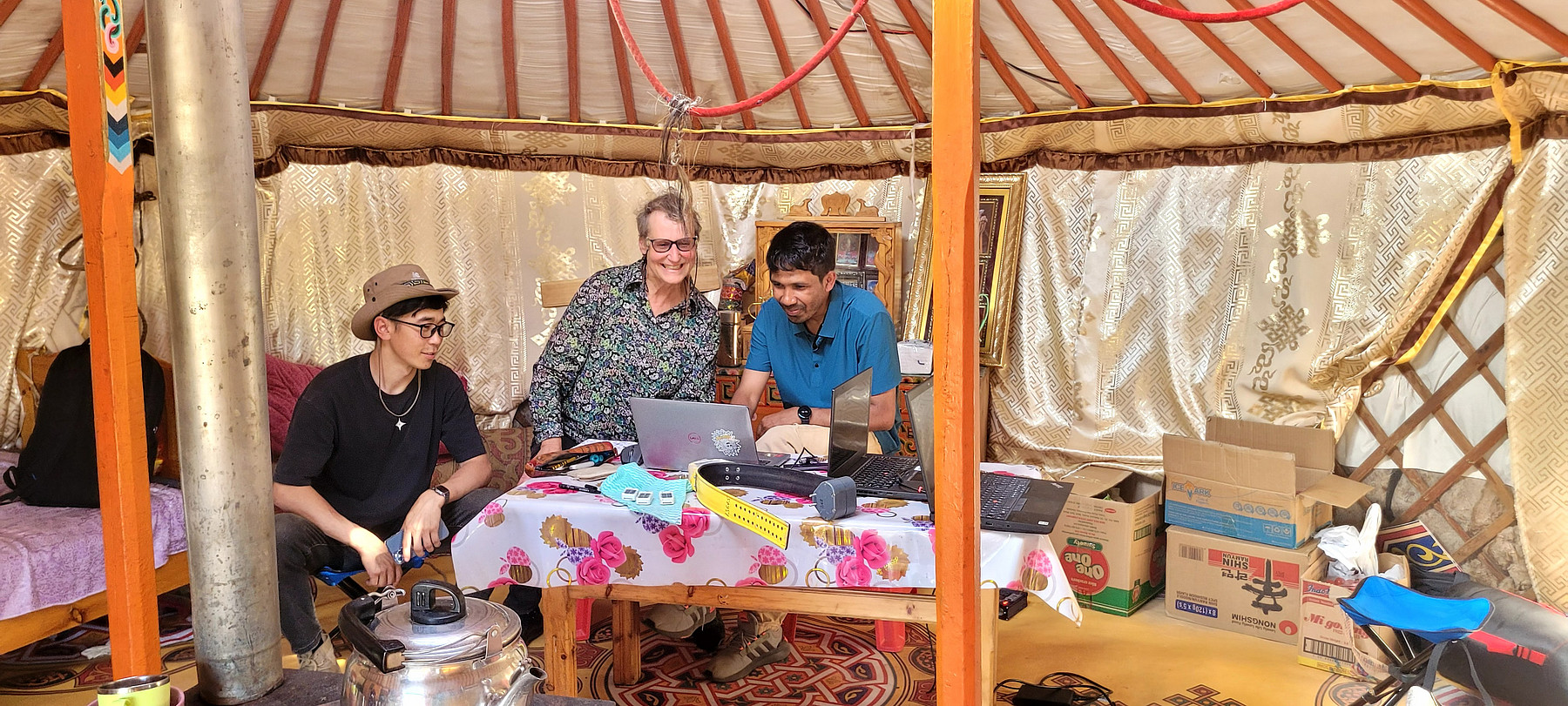
The preparatory program combined field visits, stakeholder consultations, and intensive working sessions on research methods, task allocation, and project logistics. These activities were complemented by on-site exchanges and informal discussions, including overnight stays near a traditional Ger, providing valuable insights into local contexts and conditions.
Set against the backdrop of Mongolia’s distinctive landscapes, the meetings fostered a strong team spirit and productive collaboration among consortium members. The engagement and momentum generated during this preparatory phase mark an important step toward the successful launch of the TransNet project.