Completed restorations
Please click on the images to enlarge.
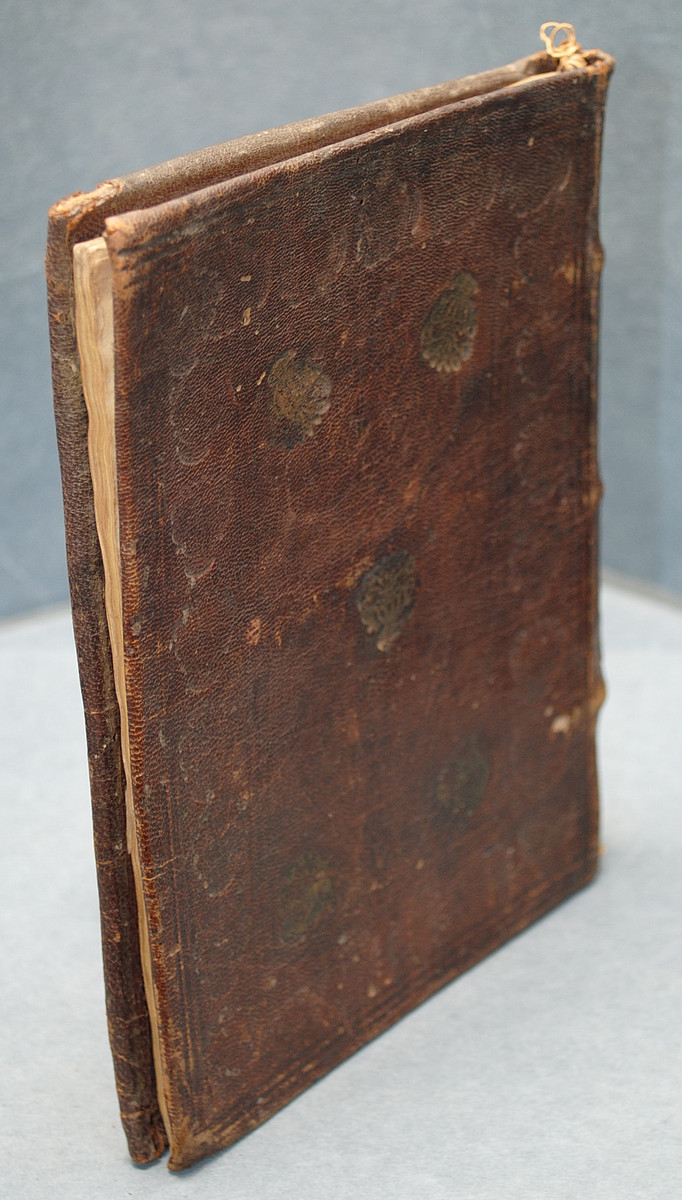
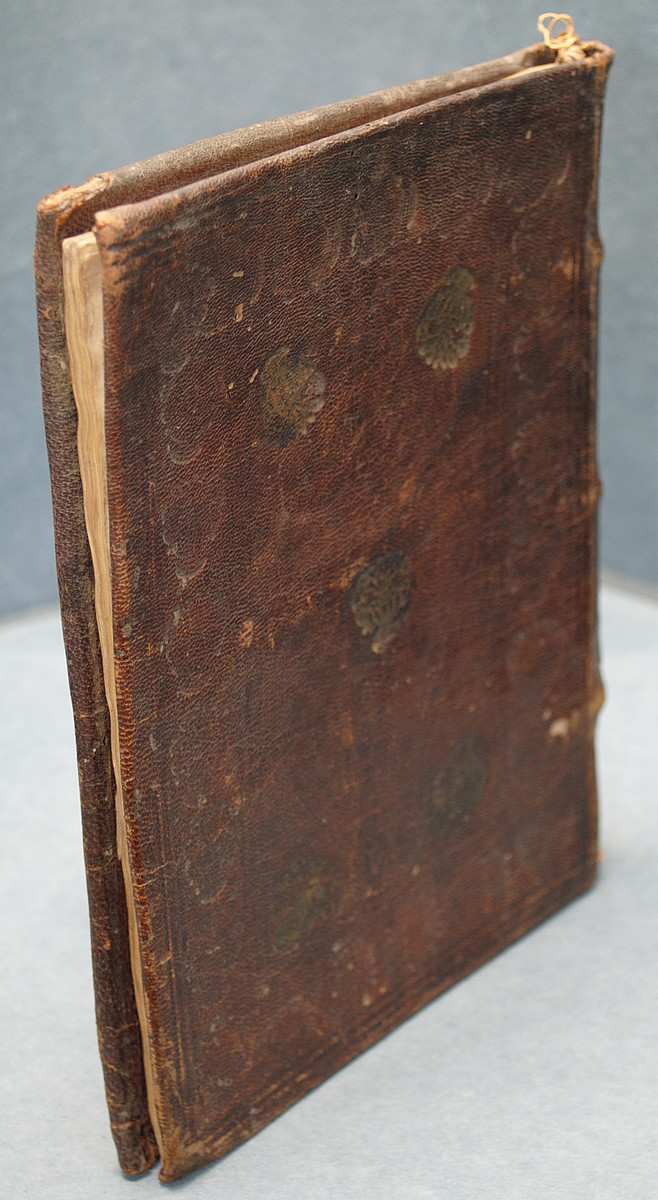
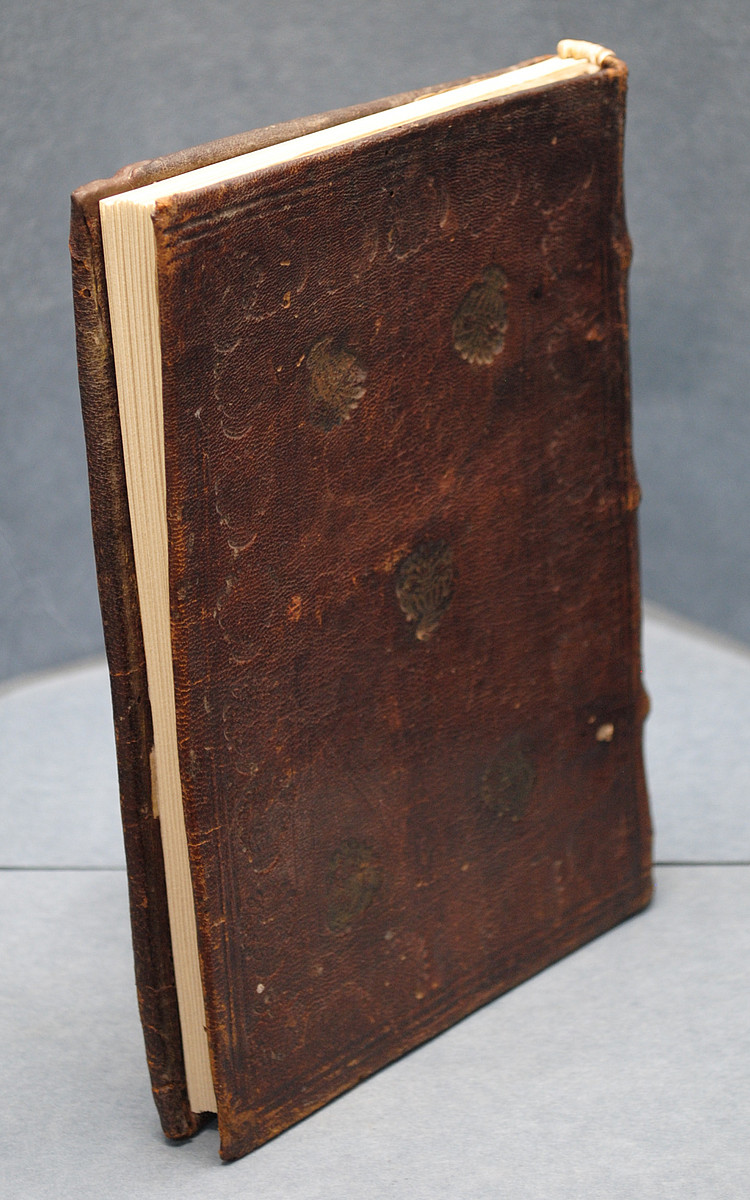
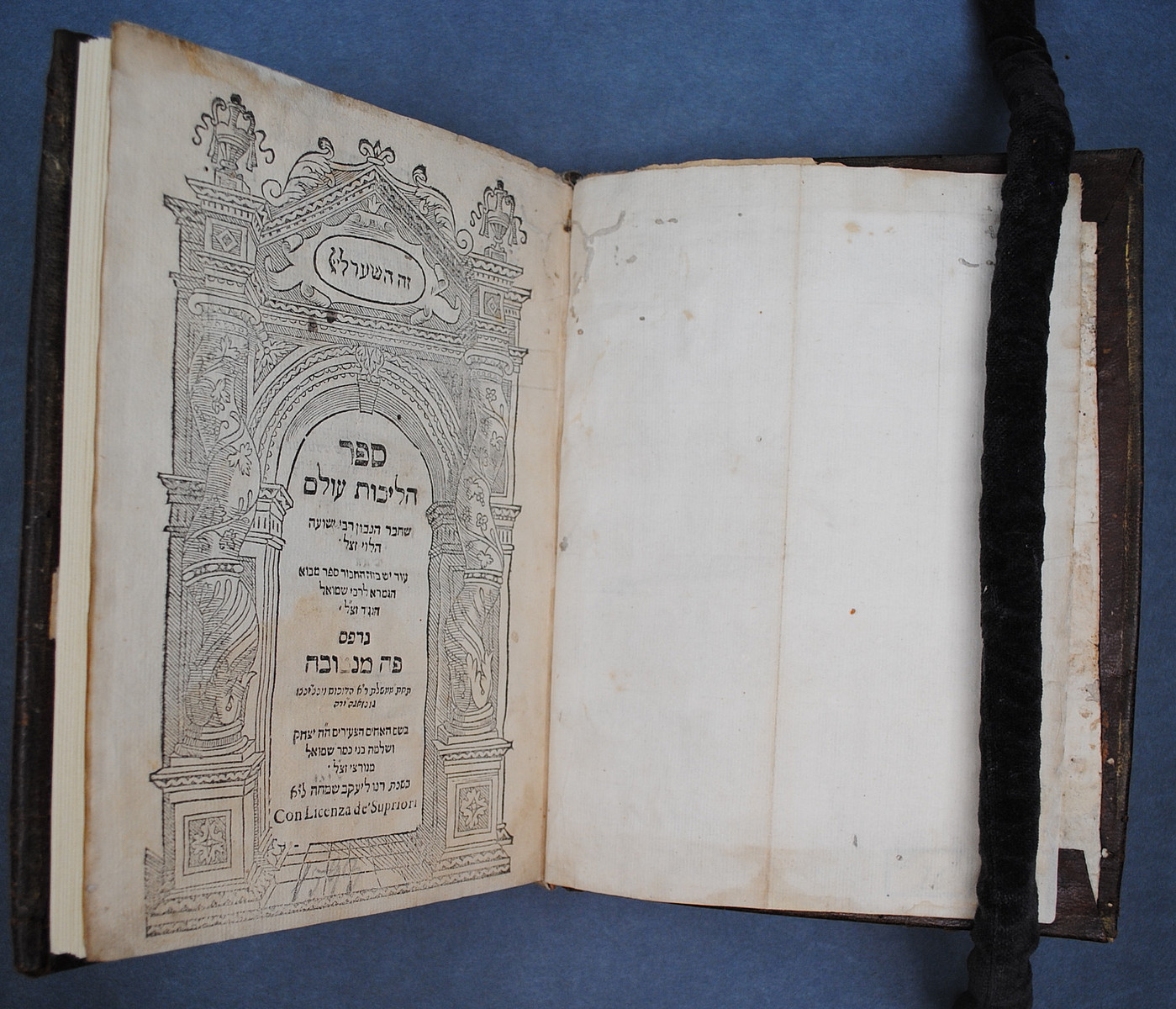
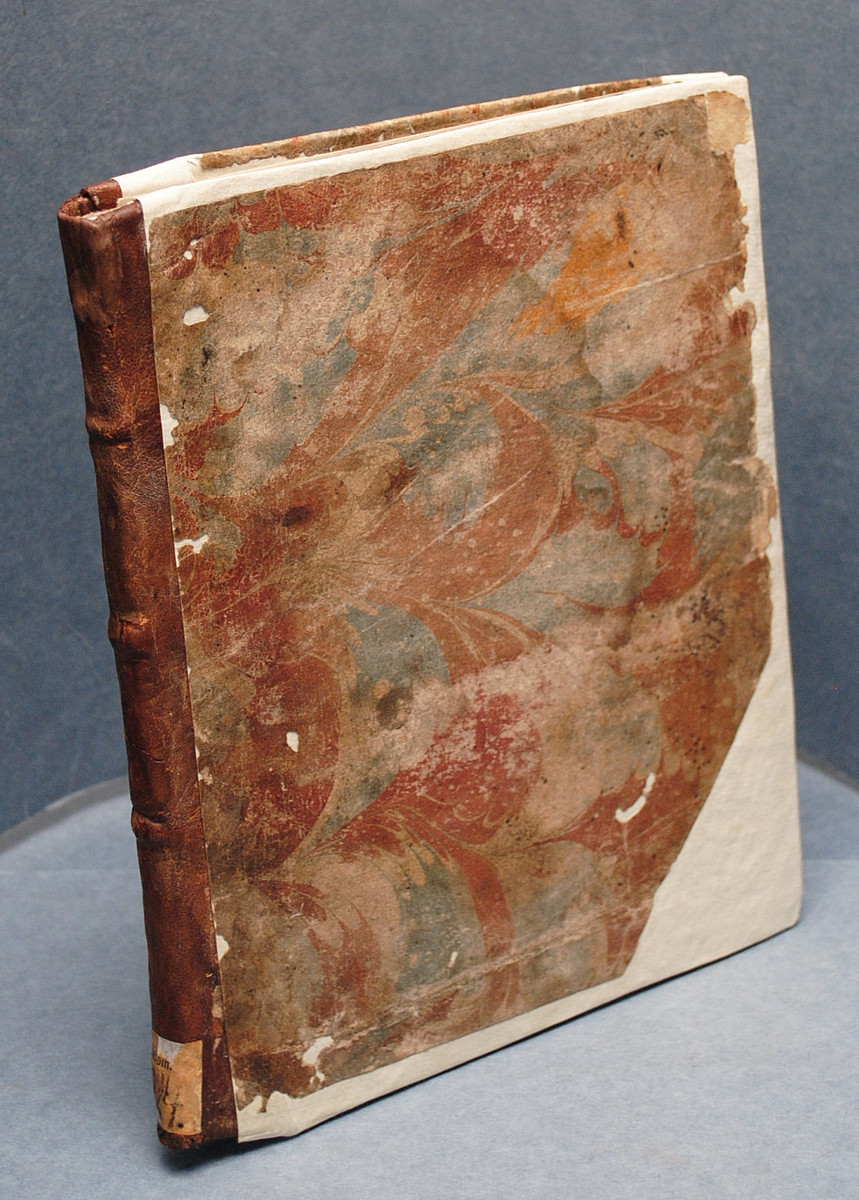
Yeshuʿa ben Yosef ha-Levi: Sefer Halikhot ʿolam. Manṭuvah: Be-Shem ha-Aḥim Yitsḥak u-Shelomoh bene Shemuʼel mi-Nortsi, 5353 [1593].
Shelf mark: Rabbinica 2072
Summary of Content:
Yeshuʿa ben Yosef ha-Levi, a Talmudist from Tlemcen, lived in the 15th century. He fled to Toledo during a persecution of Jews in 1467. There he wrote his work Sefer Halikhot ʿolam, an introduction to the Talmud in five tracts. The book discusses the forms and style of the Talmud, the order of the mishnah tractates, and the authority of the mishnah and gemara scholars.
Necessary work:
Cleaning and restoration of damaged leaves, re-binding of the book block, binding restoration, re-mounting of the binding.
Restoration costs:
1,337 euros
Sponsorship taken over by:
IWC Kassel

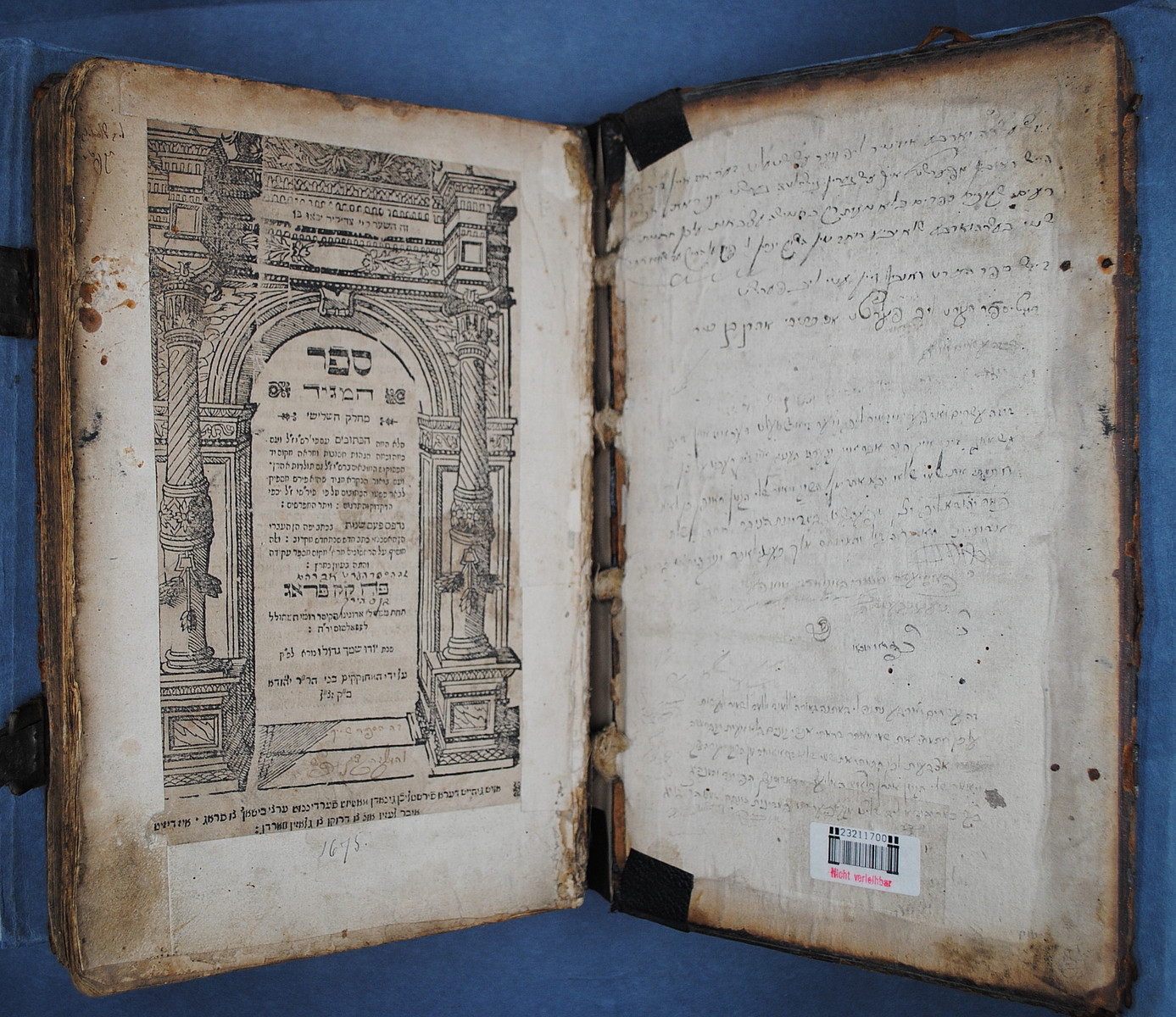
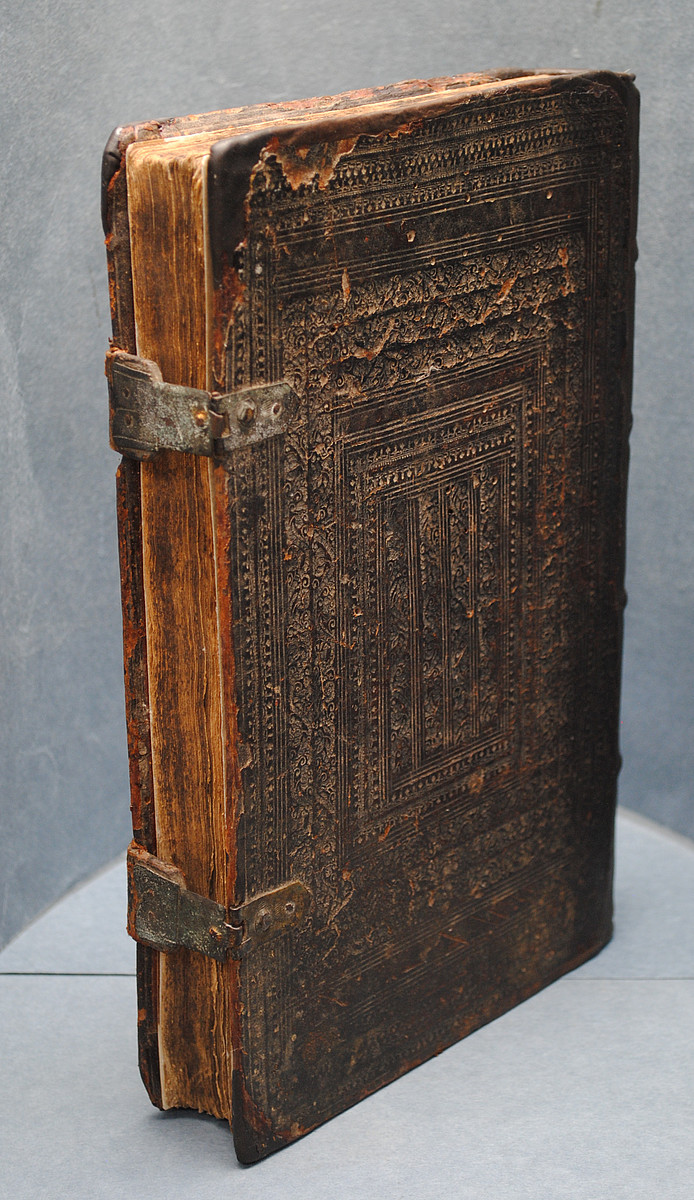
Yaʿaḳov ben Yitsḥaḳ Ashkenazi: Sefer ha-Magid. (Vol. 3): Mi-ḥeleḳ ha-shelishi, ha-loʾ hemah ha-Ketuvim ... Prague: bene Yehuda Baḳ, 5435 [1674 or 1675].
Shelf mark: Rabbinica 505
Summary of Content:
Jakob ben Isaak Ashkenazi (born c. 1550 in Janów near Lublin, died 1628 in Prague) was a rabbi and Yiddish writer. He was considered a great authority in the field of Talmud and Halakhah in his time, and became known for his vernacular translations from Hebrew into Yiddish. His goal was to make the Bible understandable to all classes of the people. In his best-known work Zeʾenahu-Reʾenah, he paraphrases the biblical narratives in vernacular Yiddish and provides them with brief explanations from haggadic and rabbinic works. It went through 26 editions in its first 100 years and became known as the "Women's Bible". The book Sefer ha-Magid is a similar work on the prophets and hagiographers(ketuvim).
Necessary works:
Paper cleaning and restoration, restoration and reconstruction of the binding, reassembly of the binding.
Restoration costs:
2,360 euros
Sponsorship taken over by:
K+S Aktiengesellschaft

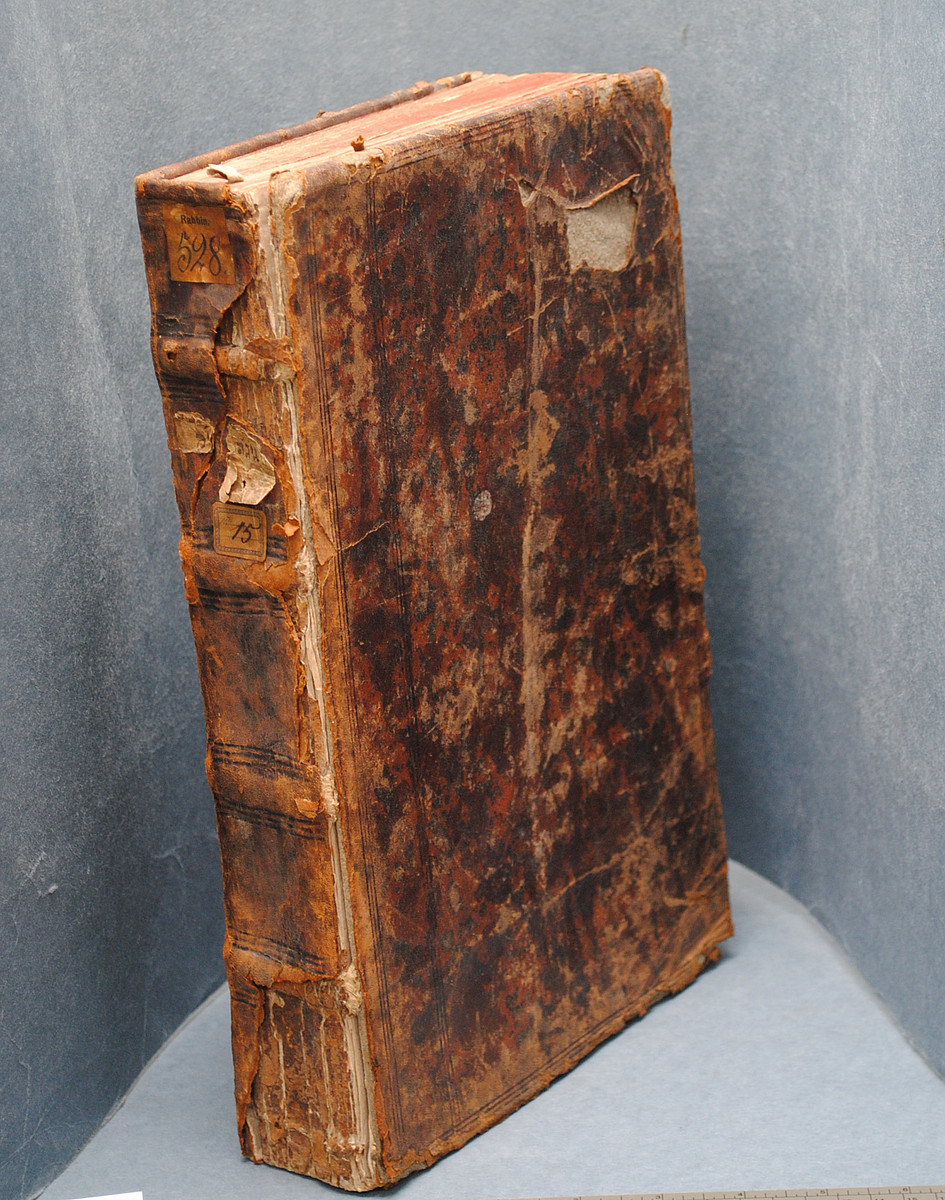
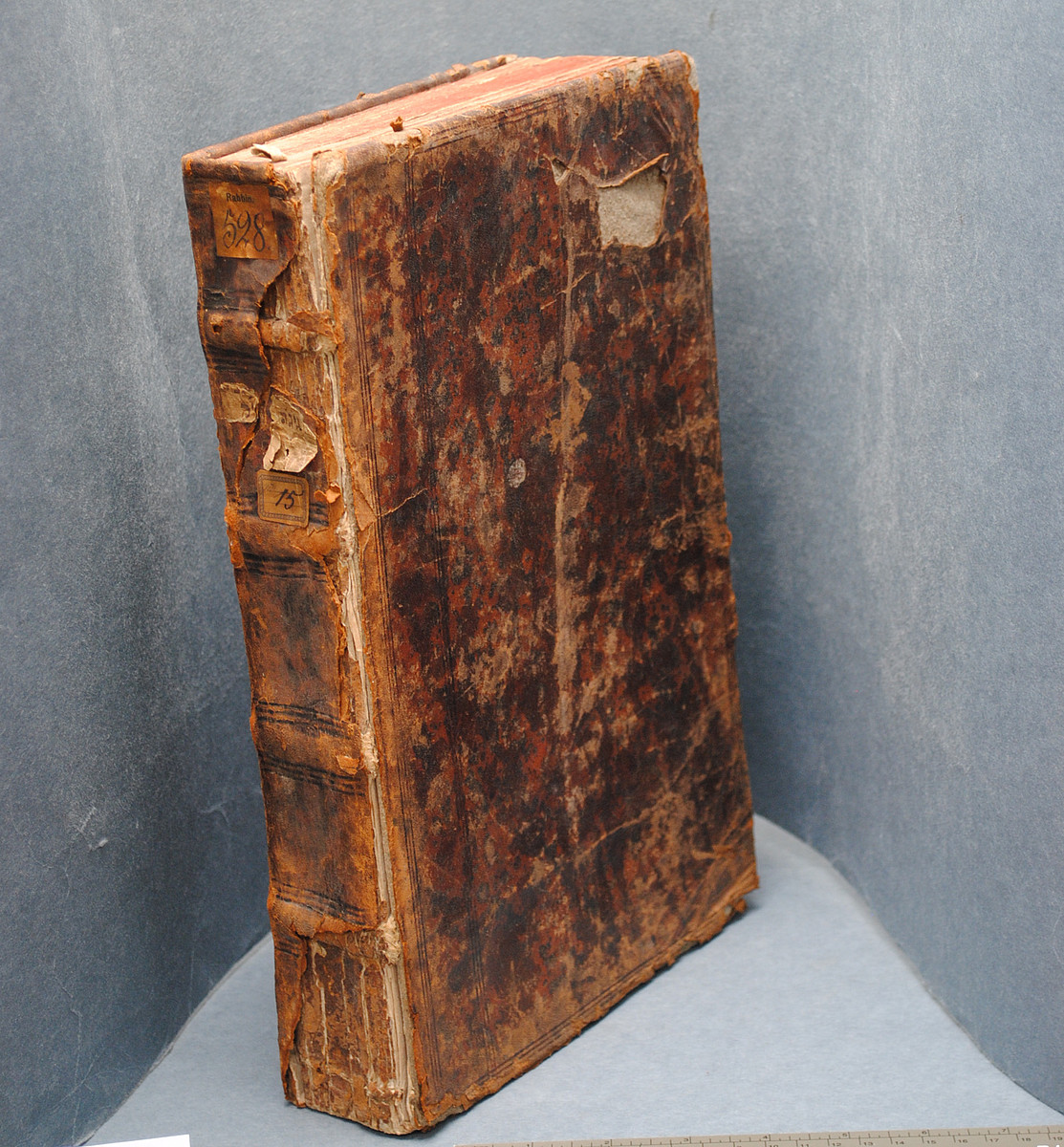
Rabbinica 528
Works included:
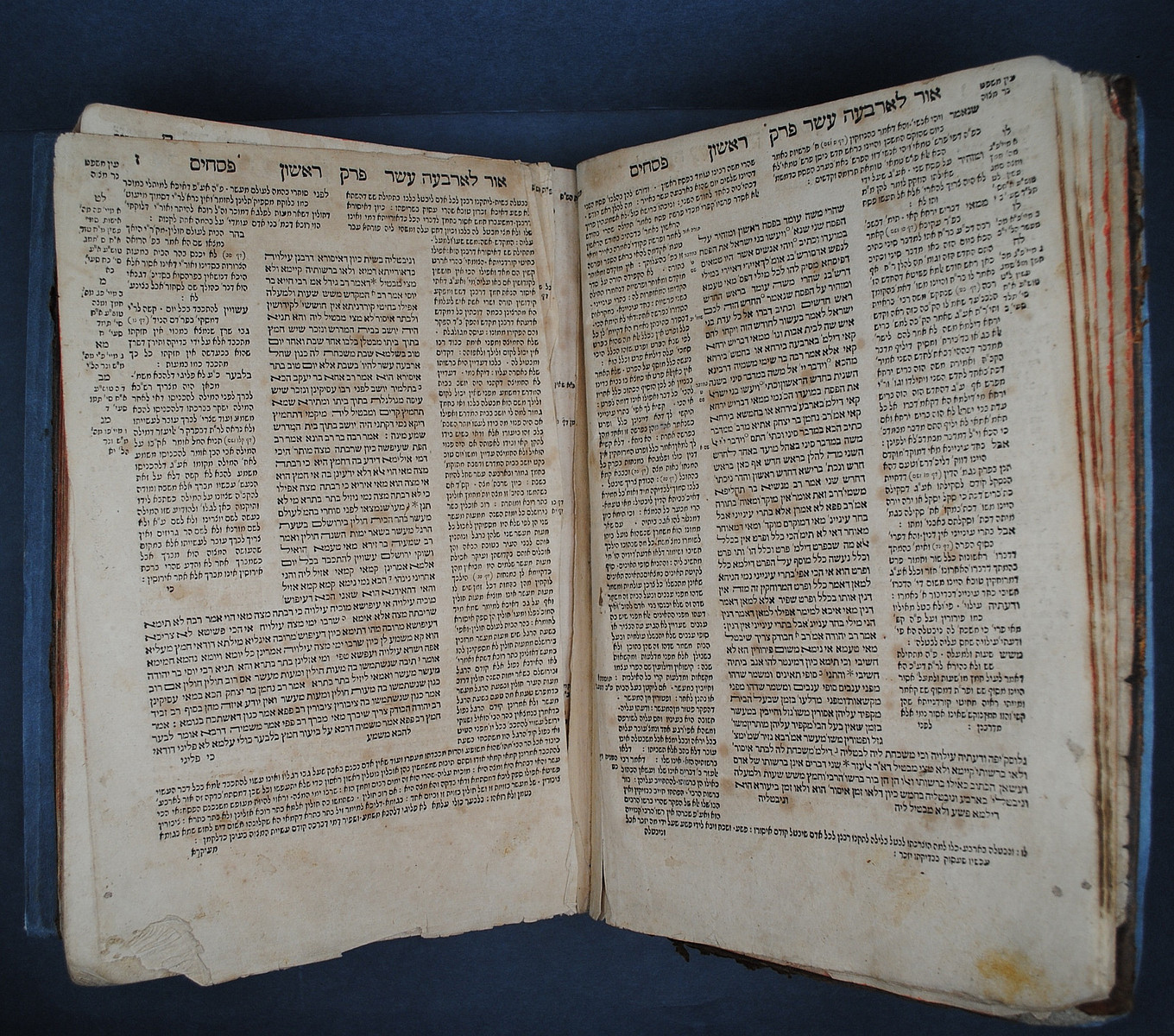
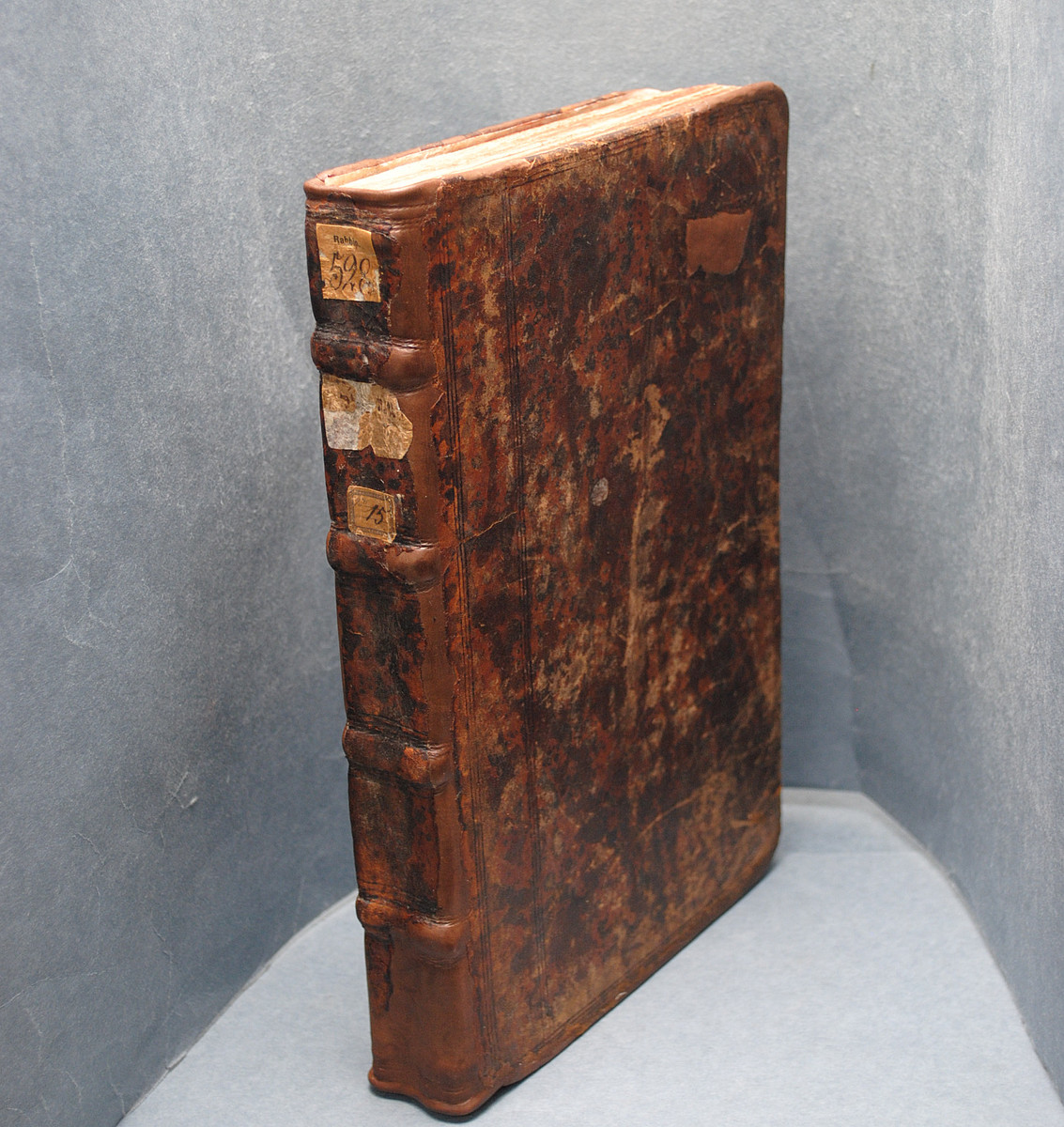
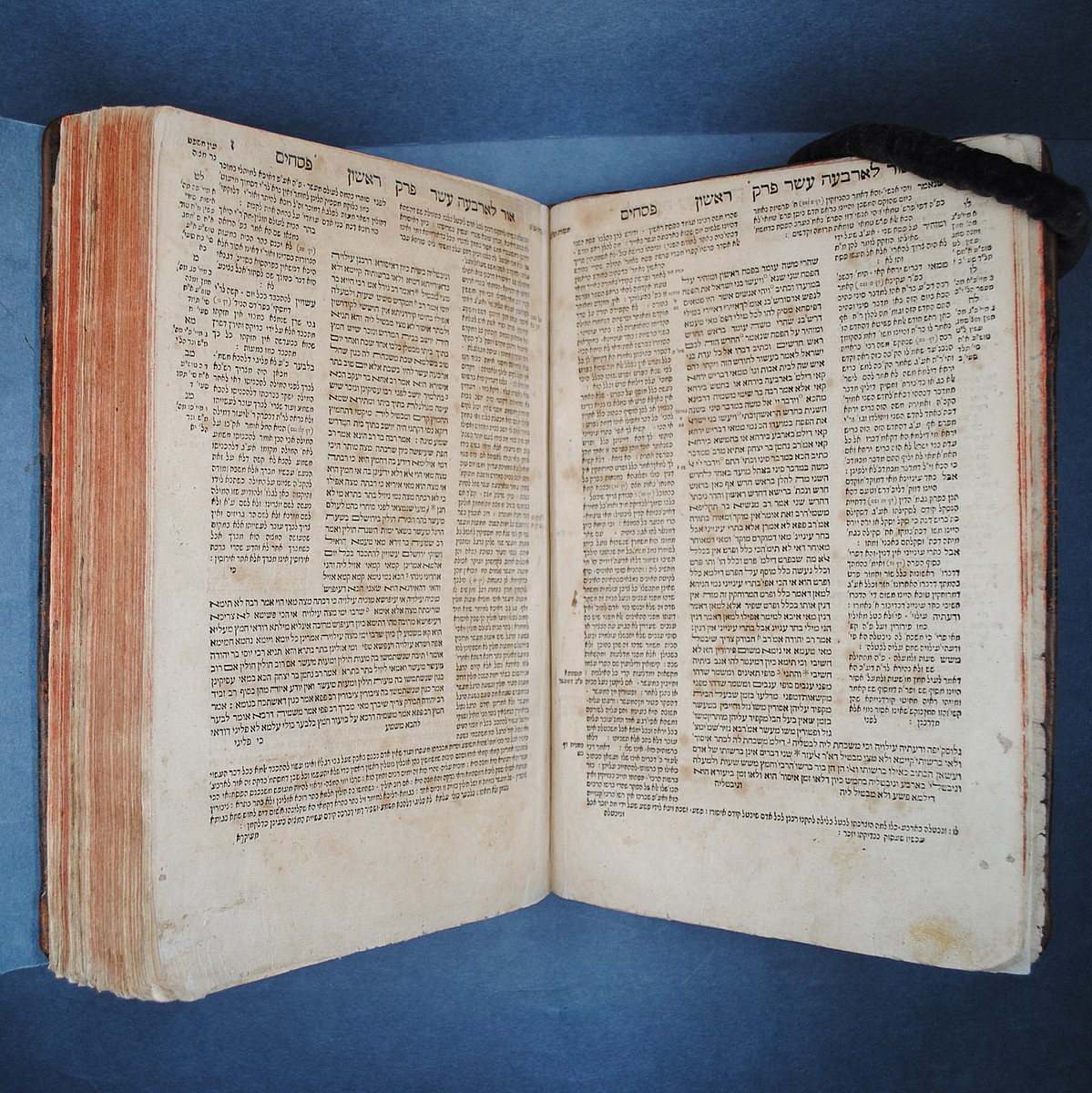
Masekhet Pesaḥim. - Berlin & Frankfurt/Oder, 4595 [1735] Masekhet Betsah. - Berlin & Frankfurt/Oder, 4595 [1735] Moʿed Ḳaṭan. - Berlin & Frankfurt/Oder, 4595 [1735]
Summary of Content:
The book contains three Talmud tractates of the Moʿed order (festival times): Pesaḥim, Betsah, and Moʿed Ḳaṭan. Pesaḥim (Pesaḥlambs, Pesaḥsacrifice) deals, among other things, with the slaughter of the Pesaḥlamb and its preparation, as well as the order of the Pesaḥmeal. Betsah (egg, after the initial word) or Yom Ṭov (feast day) deals, among other things, with: what to observe on feast days and differences from Shabat. Moʿed Ḳaṭan (Semi-holidays) deals with the regulations for the days between the first and seventh days of Pesah and for the days between the first and eighth days of Sukkot. It is part of the Berlin-Frankfurt/Oder Talmud edition of 1734-39.
Necessary work:
Restoration and reconstruction of the binding, paper cleaning and restoration, joining the binding with the book block.
Restoration costs:
1.645 Euro
Sponsorship taken over by:
Axel Halle
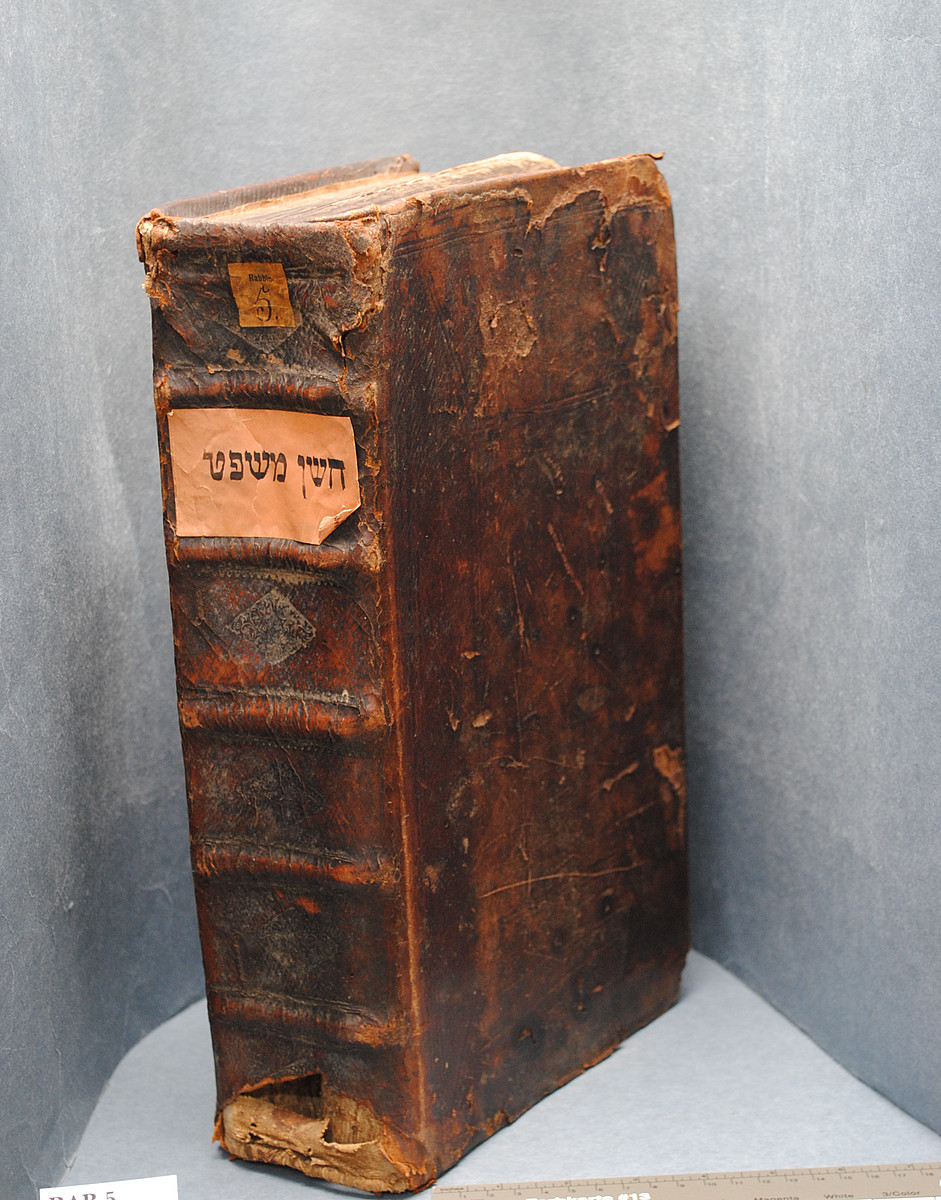
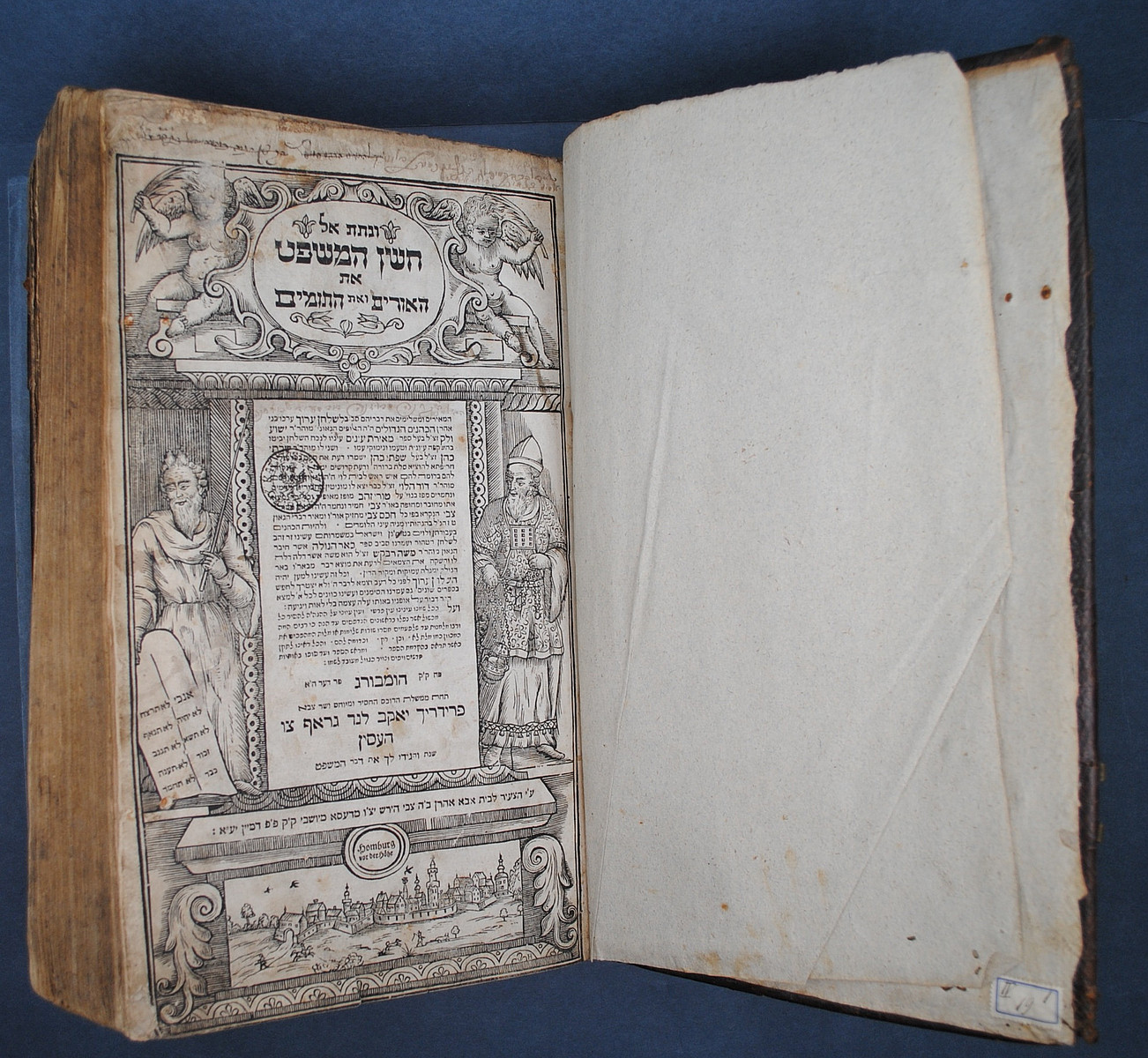
Yosef Ḳaro: Ṿe-natata el Ḥoshen ha-mishpaṭ et ha-Urim ṿe-et ha-Tumim. - Homburg vor der Höhe: Aharon Ben Tsevi Hirsh mi-Desa, 5502 [1742].
Shelf mark: Rabbinica 5
Summary of Content:
Yosef Ḳaro (born 1488 in Toledo, died 1575 in Safed) was rabbi in Safed. The Shulḥan ʿarukh(Set Table) is an excerpt from Karos's major work Bet Yosef, a compendium of halakhah compiling the views of the earlier authorities. The work is divided according to the four-part principle of the Arbaʿah ṭurim of Yaʿaḳov ben Asher: Oraḥ Ḥayim(Way of Life) contains the laws for everyday life, Shabat, and holidays; Yoreh Deʿa(teaches knowledge) the ritual law; Even ha-ʿEzer(Stone of Help) marriage and divorce laws; and Ḥoshen Mishpaṭ(Breastplate of Law) civil and criminal law. The Shulḥan ʿarukh includes the halakhah common to Sephardic rites. Because it did not incorporate Ashkenazi customs, it was initially controversial. After Moshe Isserles added them in his commentary Mapah(Blanket), the Shulḥan ʿarukh became the authoritative halakhic code to this day. The present work is the Ḥoshen Mishpaṭ portion. A special feature of this print is the silhouette of the city of Homburg depicted on the title page.
Necessary work:
Mechanical cleaning and restoration of damaged leaves, binding restoration with addition of missing parts, reconstruction of clasps, reassembly of the book block and binding.
Restoration costs:
3,142 euros
Sponsorship taken over by:
Karl-Hans Caprano
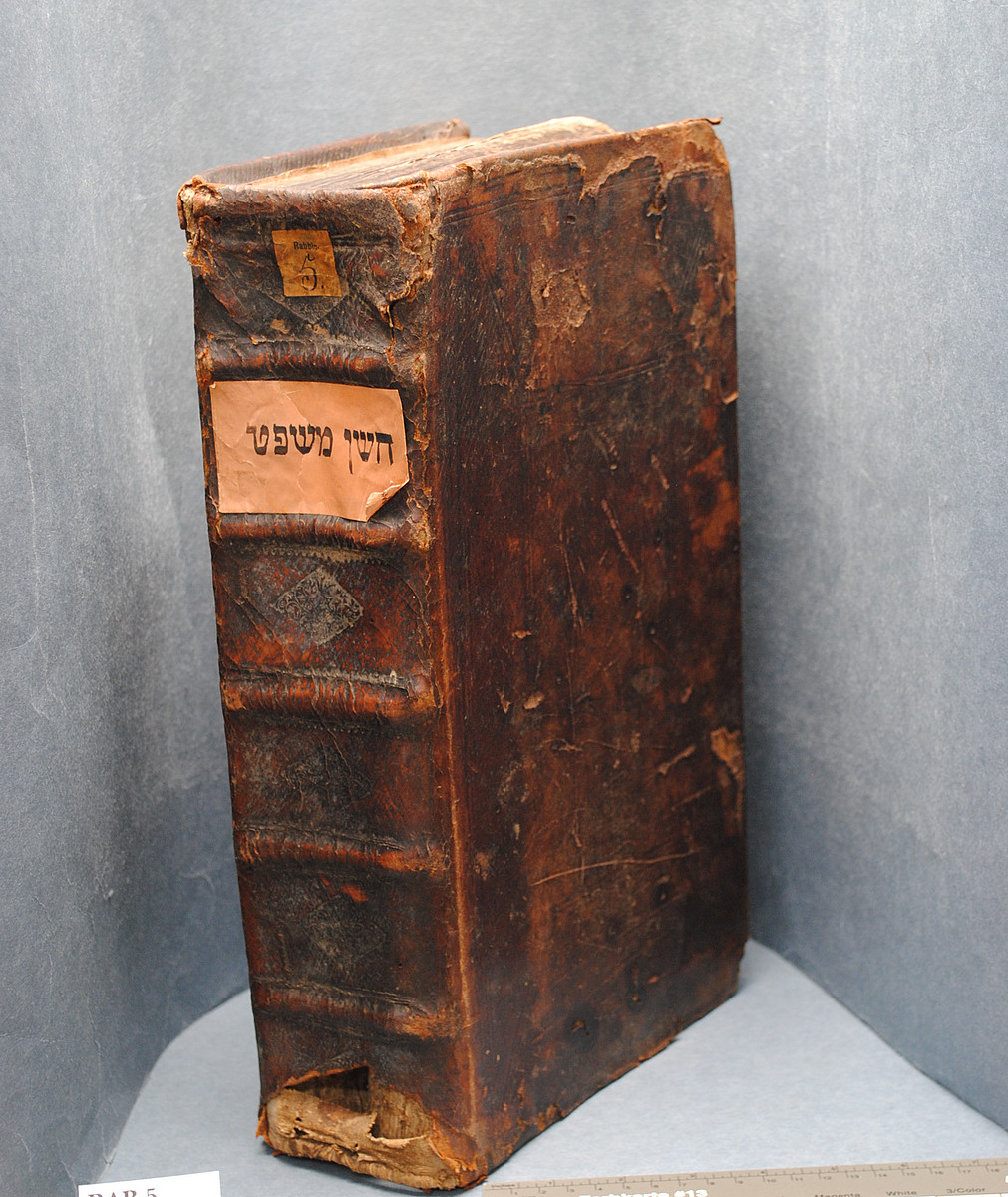
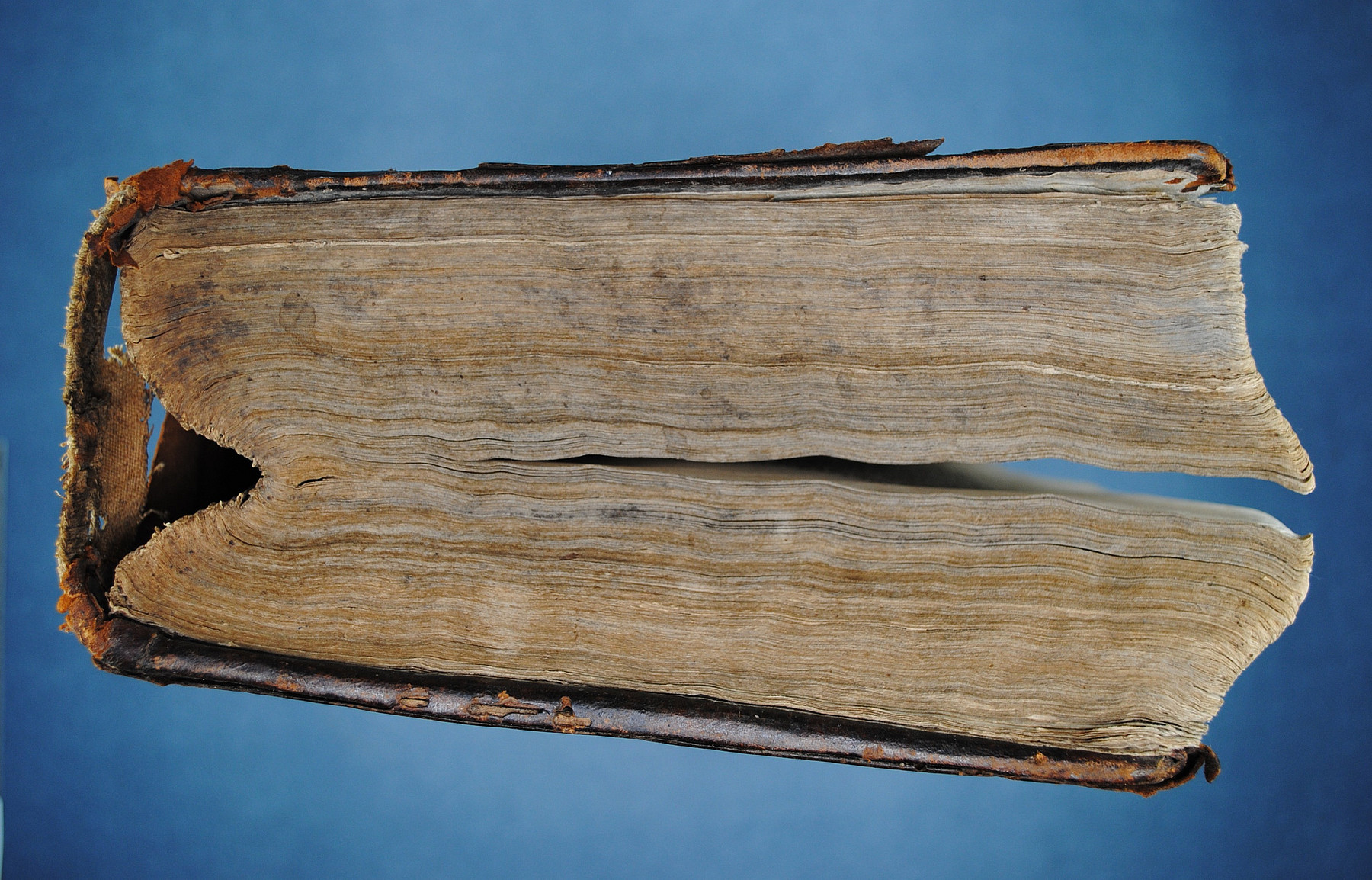
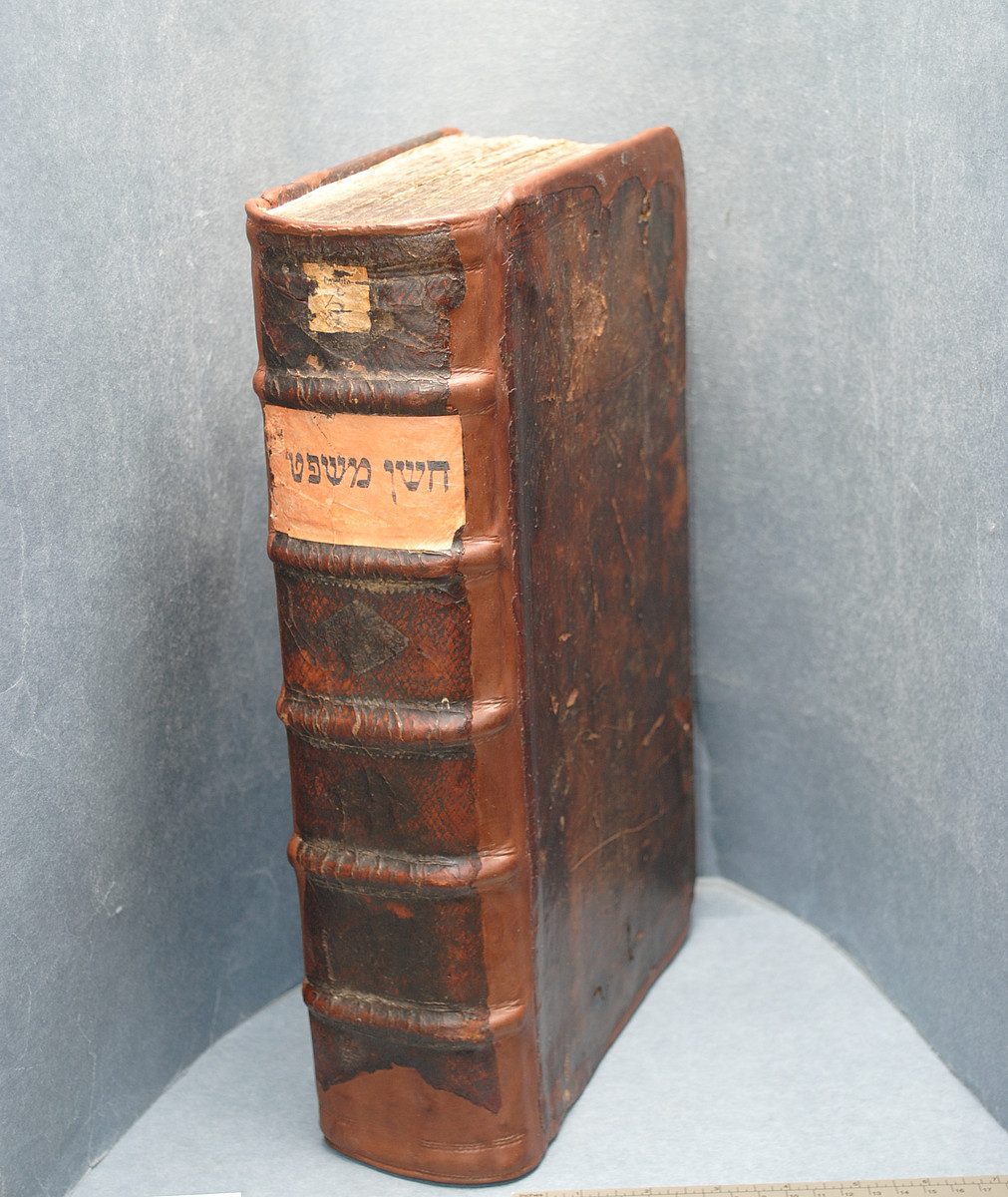
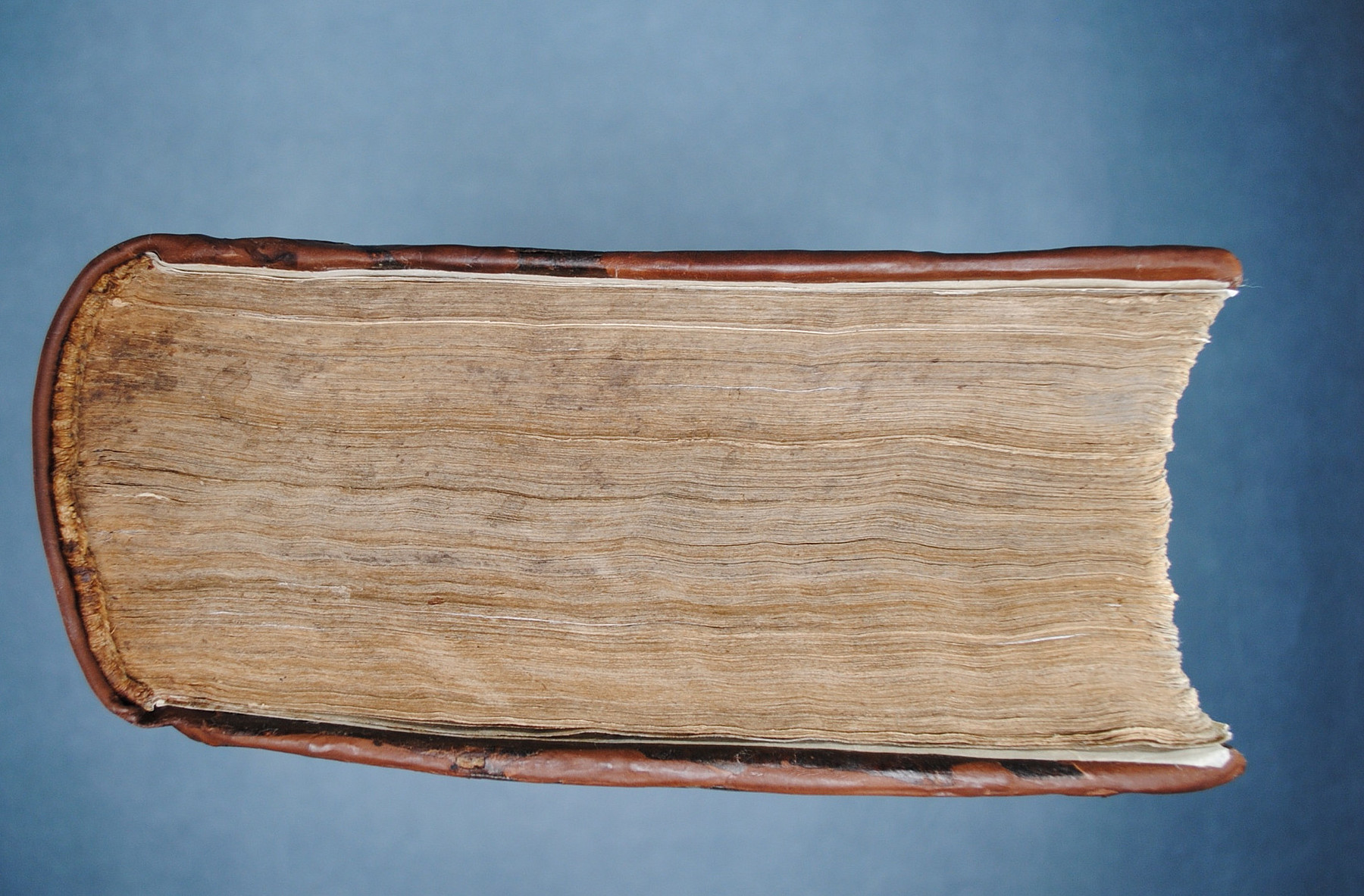
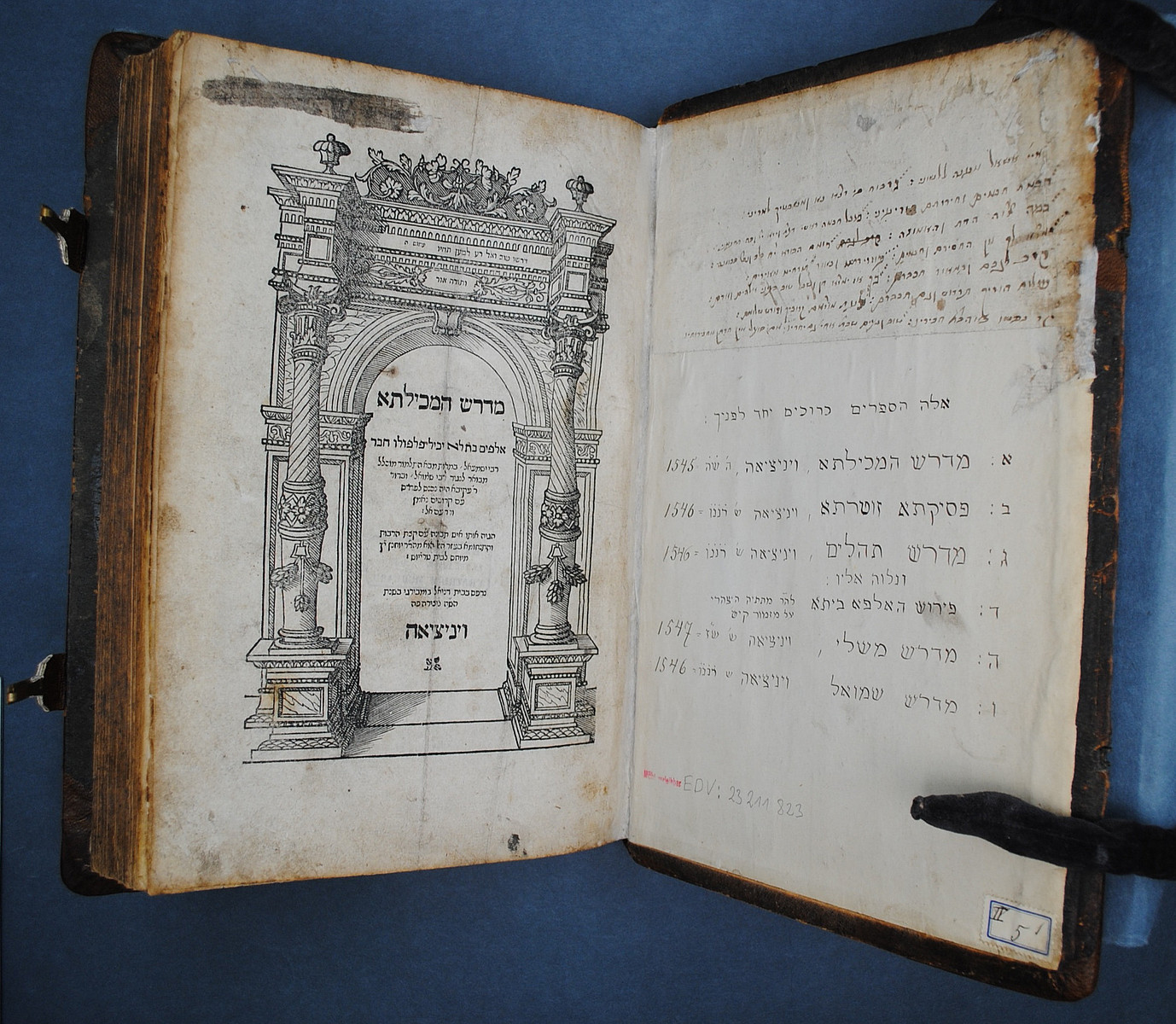
Shelf mark: Rabbinica 524
Works included:
- Yishmaʾel ben Elisha: Midrash ha-Mekhilta. - Venice: Bomberg, 5305 [1545].
- Ṭoviyah ben Eliʿezer: Pesiḳta zuṭarta. - Venice: Bomberg, 5306 [1546].
- Midrash Tehilim : rabata ; ʿim Midrash Shemuʾel rabata. - Venice: Bomberg, 5306 [1546].
Summary of Content:
Midrash ha-Mekhilta is a commentary on some chapters of the Book of Shemot (Exodus) attributed to R. Yishmaʾelben Elisha (1st/2nd century), a Tannaite (teacher of the Mishnaic period). Pesiḳta zuṭarta is a commentary on the Torah and the five megilos, as well as a haggadic compilation book, composed by Ṭoviyah ben Eliʿezer, a Talmudist and liturgical poet who lived in the 11th/12th century. The actual title of the work is Leḳaḥ ṭov; since the mid-16th century it has been mostly called Pesiḳta zuṭarta. Midrash Tehilim is a haggadic midrash known since the 11th century. All three works were published separately and subsequently bound together.
Necessary work:
Mechanical cleaning and restoration of damaged leaves, restoration of damaged stitching, binding restoration with addition of missing parts, reassembly of the binding.
Restoration costs:
1.500 Euro
Sponsorship taken over by:
Friends of the State Library and Murhard Library
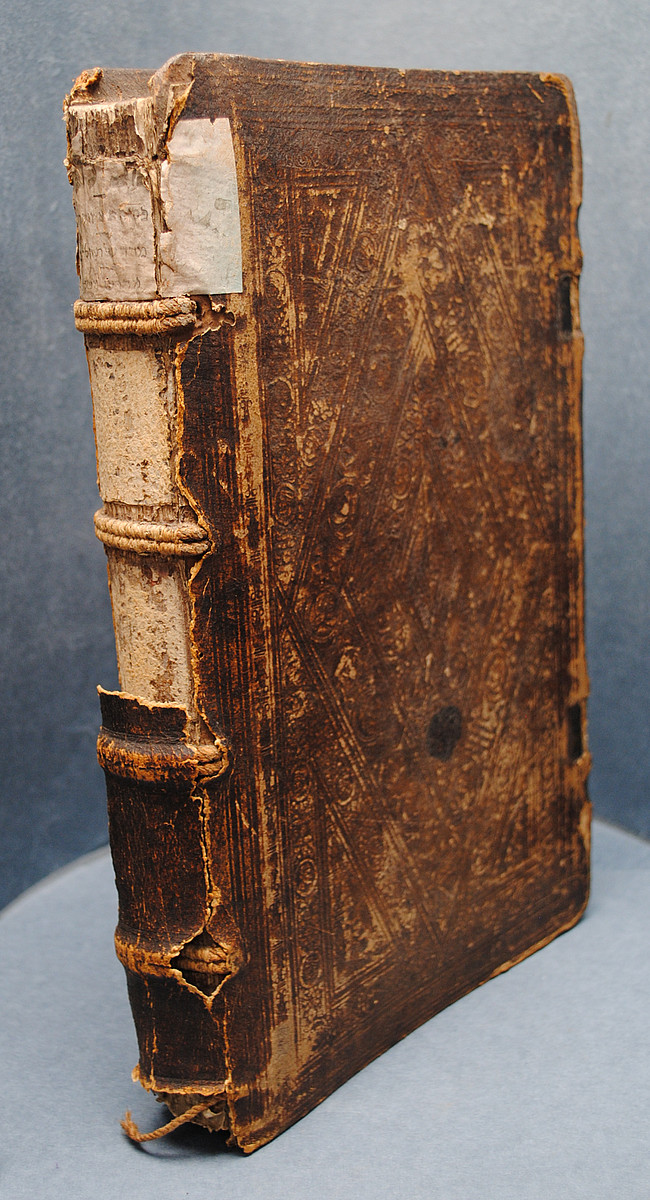
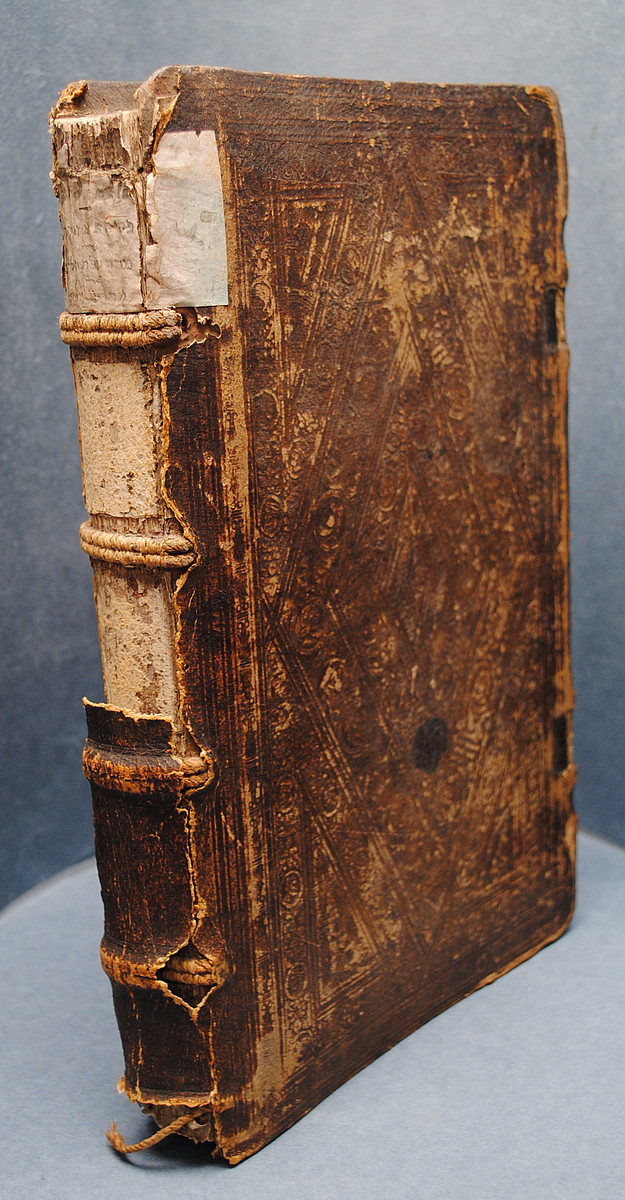


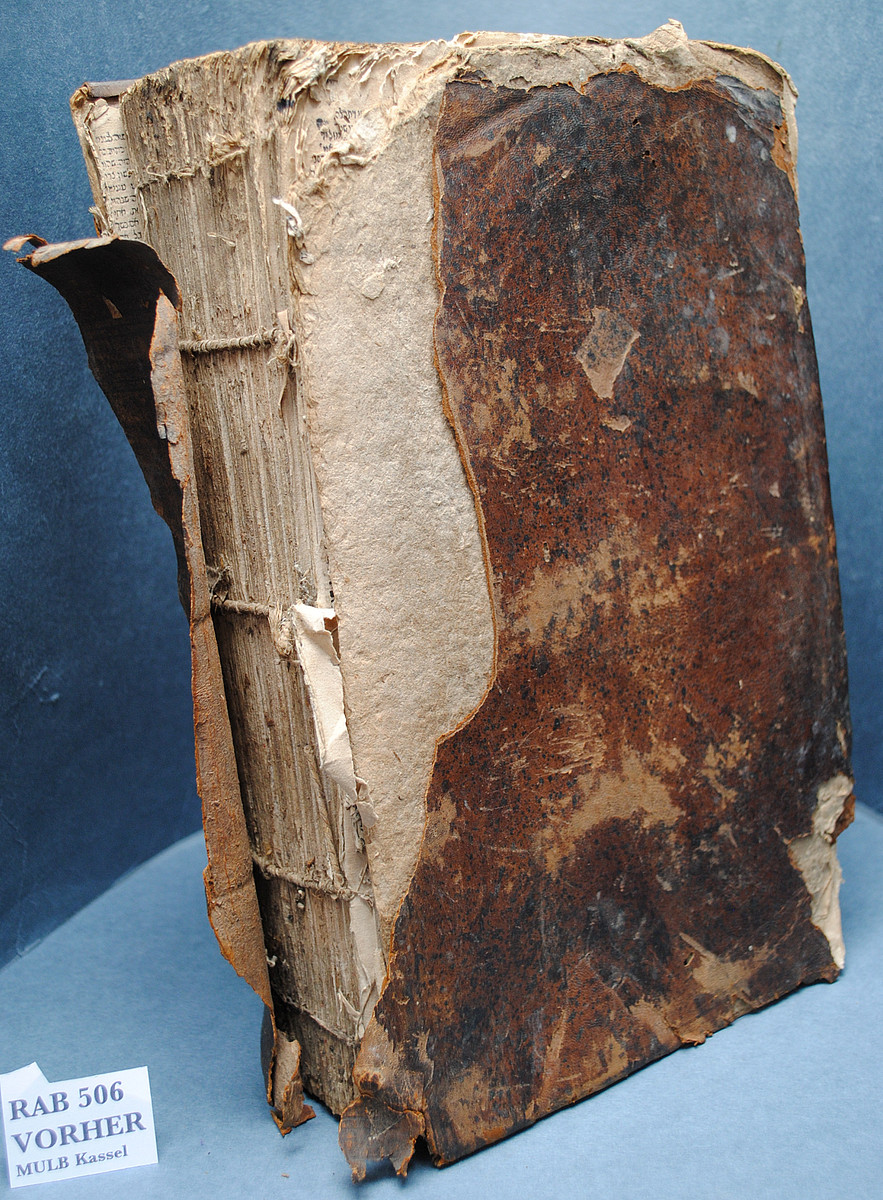
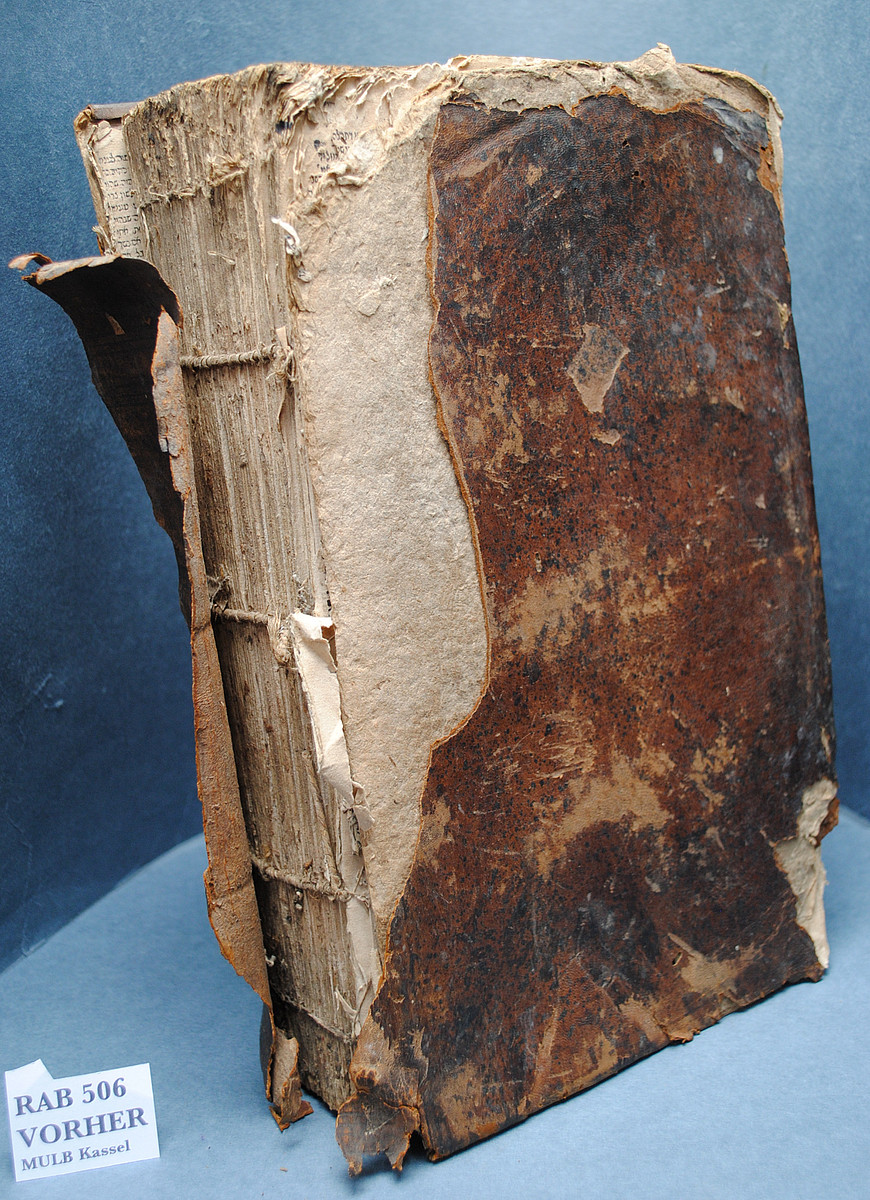
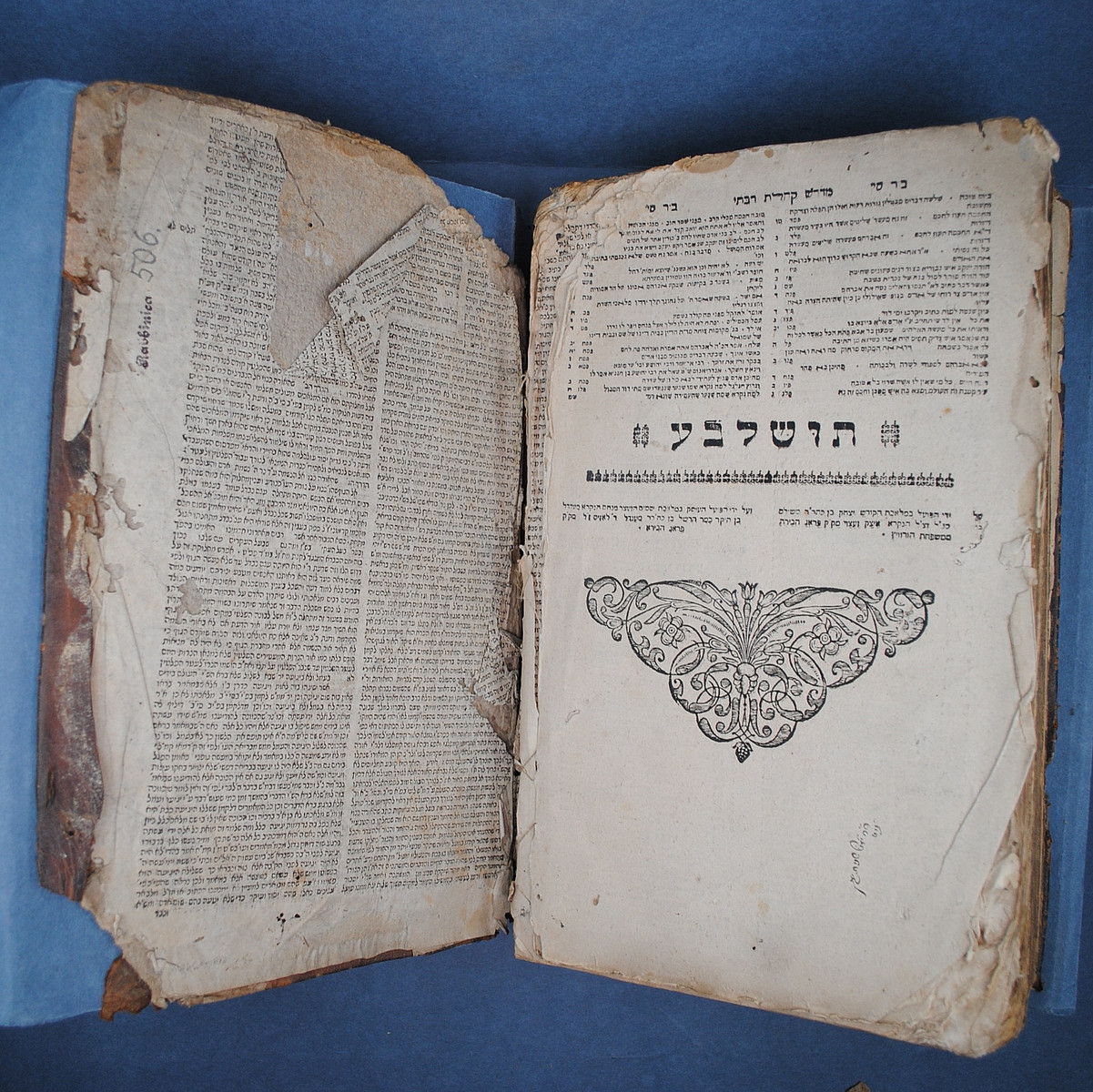
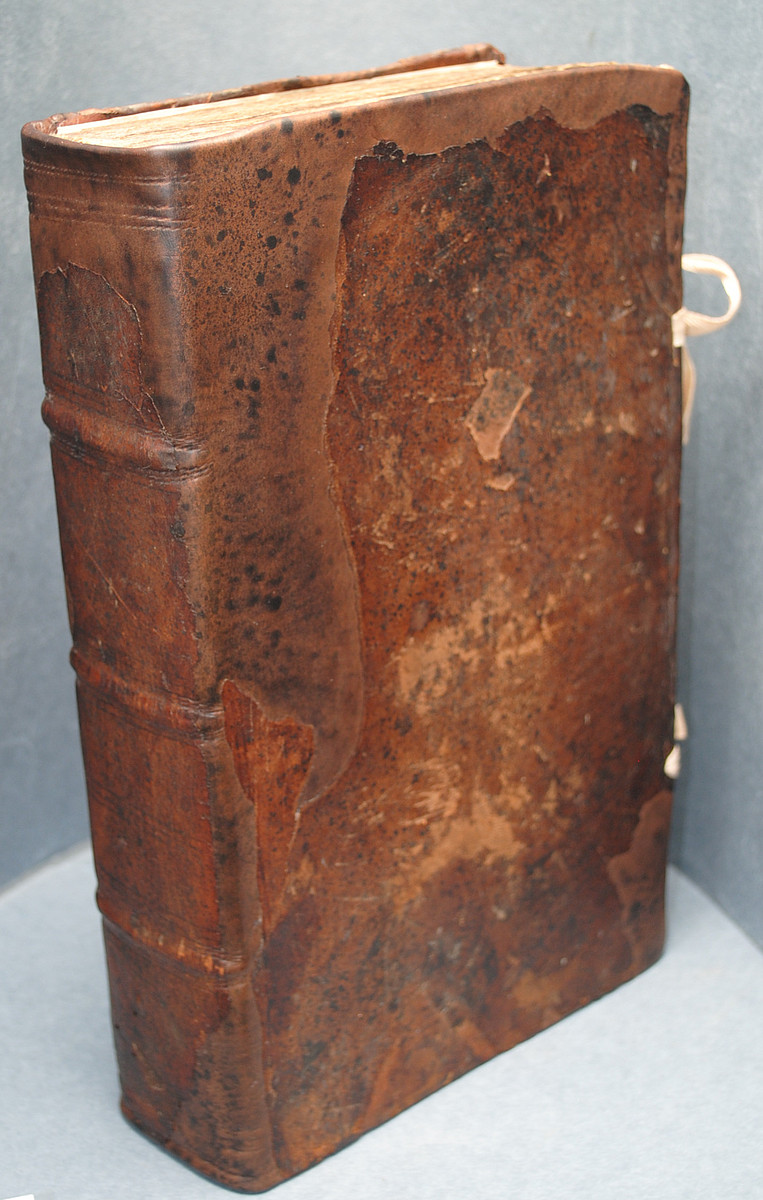
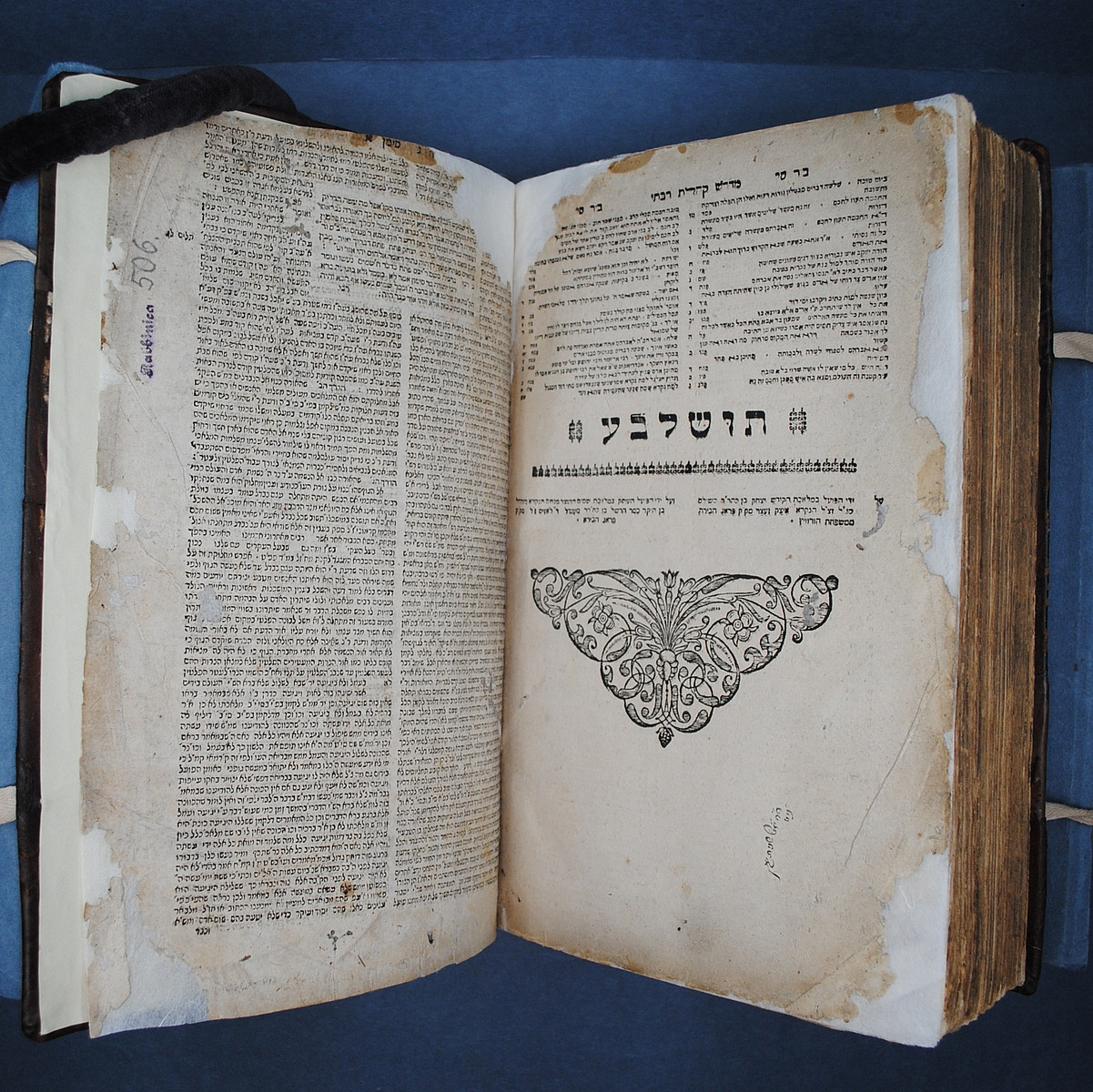
Shemuʾel ben Yitsḥaḳ Ashkenazi Yafeh: Bereshit Rabah : ʿim perush (Yefeh toʾar). - Prague: Moshe Kats, 5449 [1689].
Shelf mark: Rabbinica 506
Summary of Content:
Shemuʾel ben Yitsḥaḳ Ashkenazi Yafeh was a Talmudist and Midrash commentator who served as rabbi of the Ashkenazi community in Constantinople in the mid-16th century. The work Yefeh toʾar is a detailed homiletic commentary on Midrash Rabah. Printed commentaries on Genesis, Exodus, and Leviticus exist. The present work is the commentary on Genesis.
Necessary work:
Mechanical cleaning and restoration of damaged leaves, restoration of damaged bindings, binding restoration with addition of missing parts, reconstruction of clasps, reassembly of binding.
Restoration costs:
2.600 Euro
Sponsorship taken over by:
Friends of the State Library and Murhard Library and an anonymous donor.
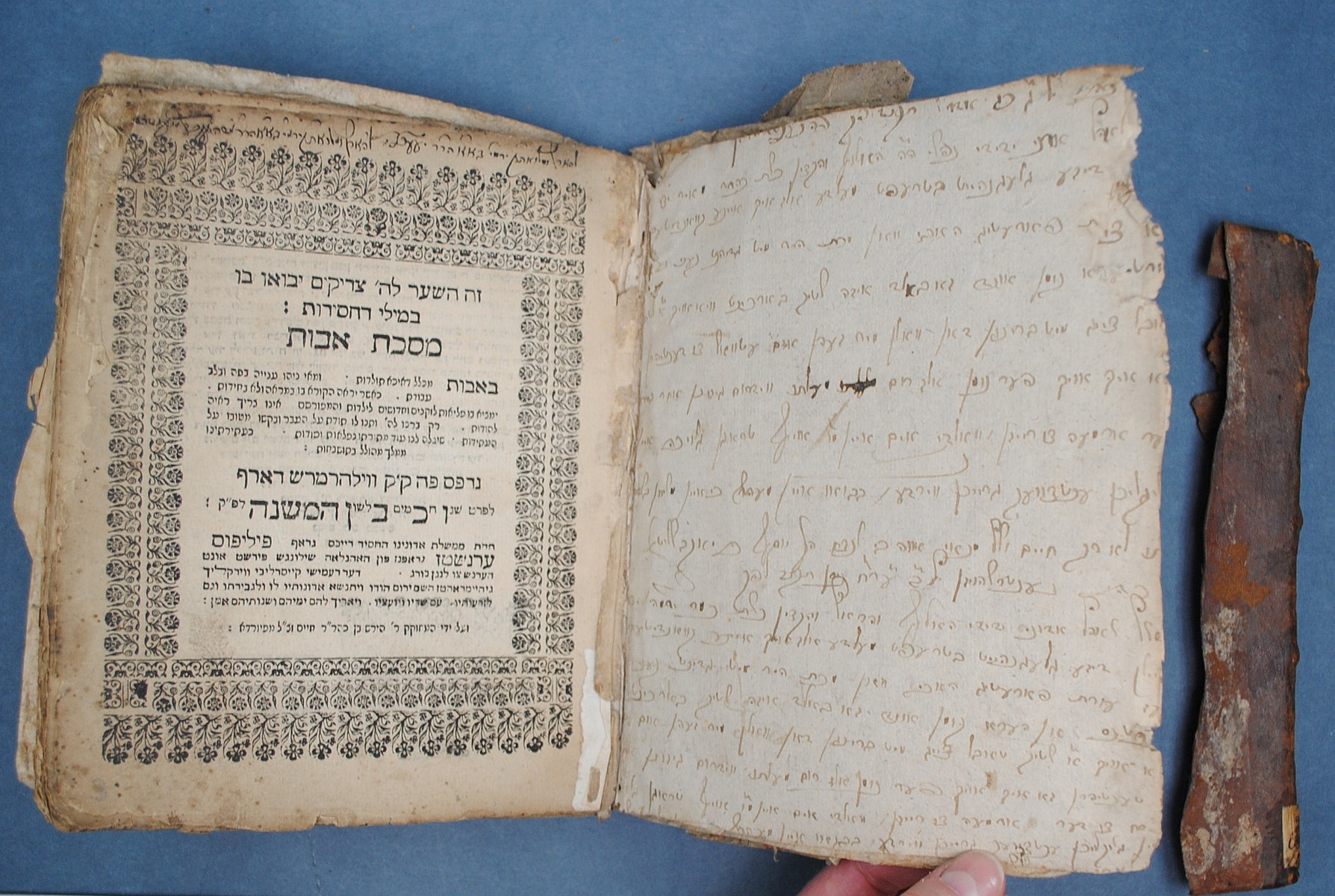
Masekhet Avot. - Vilhermers village: Hirsh ben Ḥayim, 5478 [1718].
Shelf mark: Rabbinica 2024
Summary of Content:
Edition of the mixed-natract Avot of 1718, with an anonymous commentary. Avot ((Sayings of the) Fathers) or Pirḳe Avot(Sections, Chapters of the Fathers) is a tractate of the order Neziḳin(Damages) and contains the Tannaite chain of tradition from Moses onward to the end of the Tannaite period and mottoes and maxims of the scribes and Tannaites.
Necessary work:
Mechanical cleaning and restoration of damaged leaves, re-binding of the book block, binding restoration with addition of missing parts, re-mounting of the binding.
Restoration costs:
1.100 Euro
Sponsorship taken over by:
Friends of the State Library and Murhard Library.
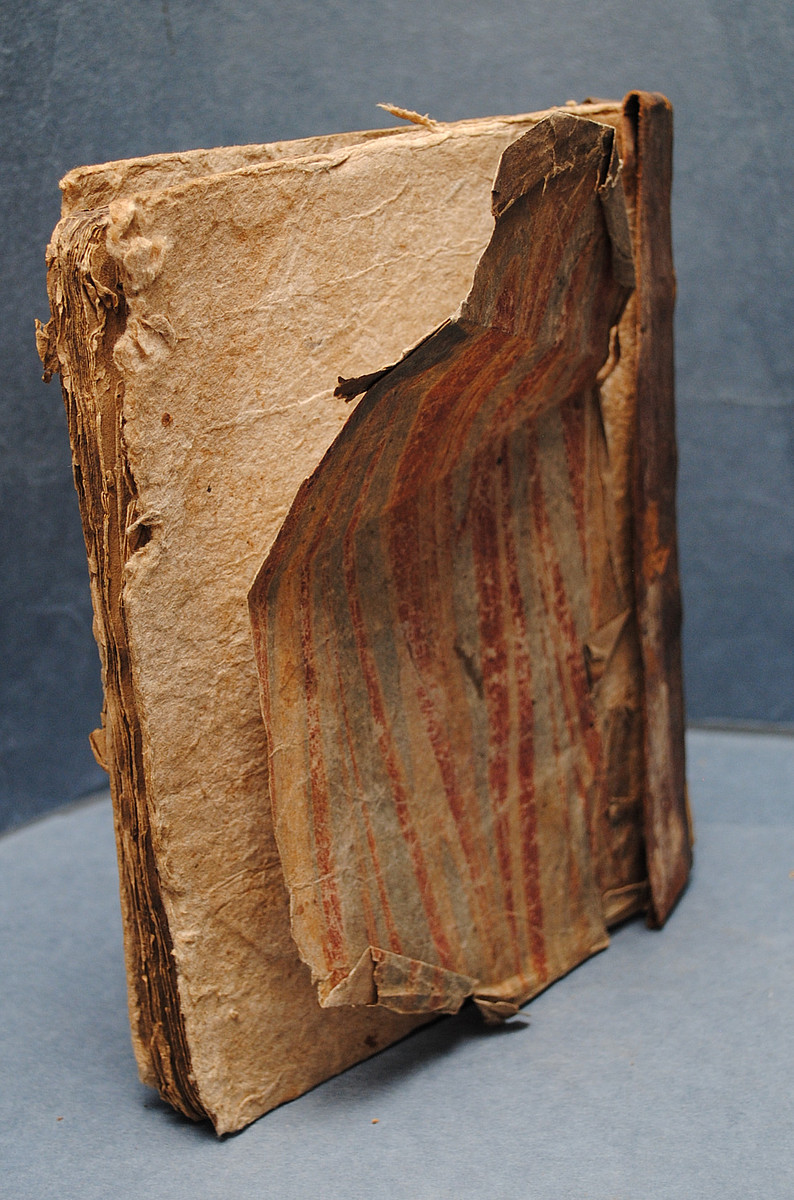
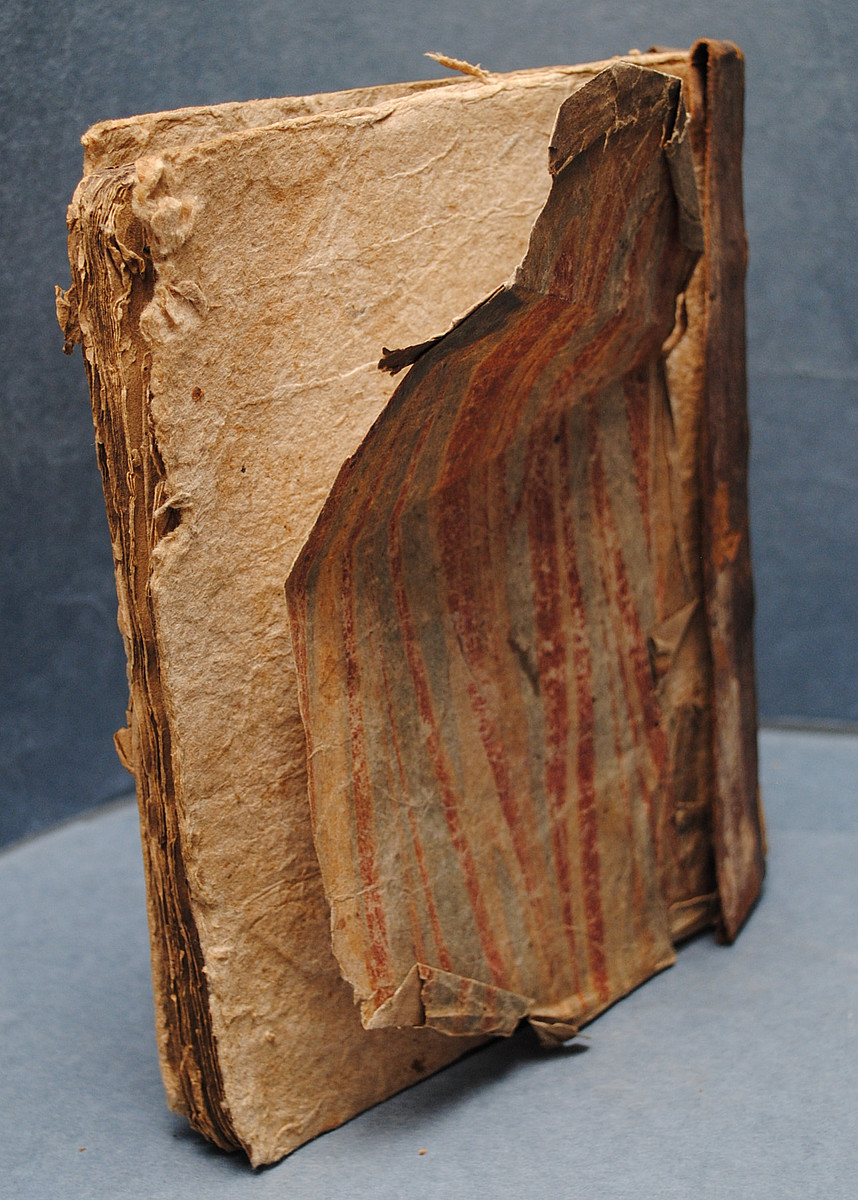

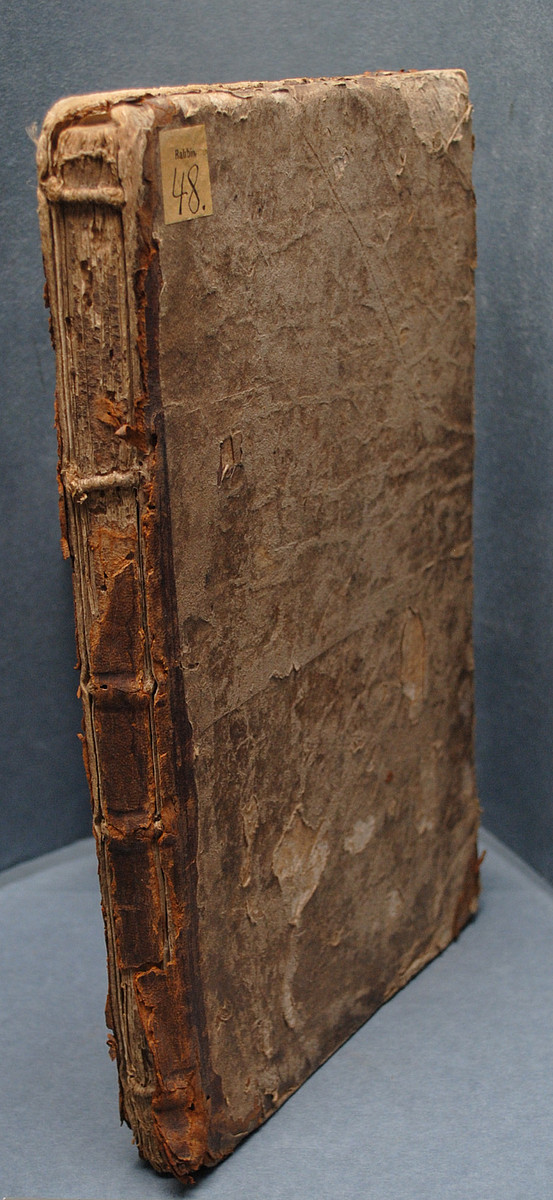
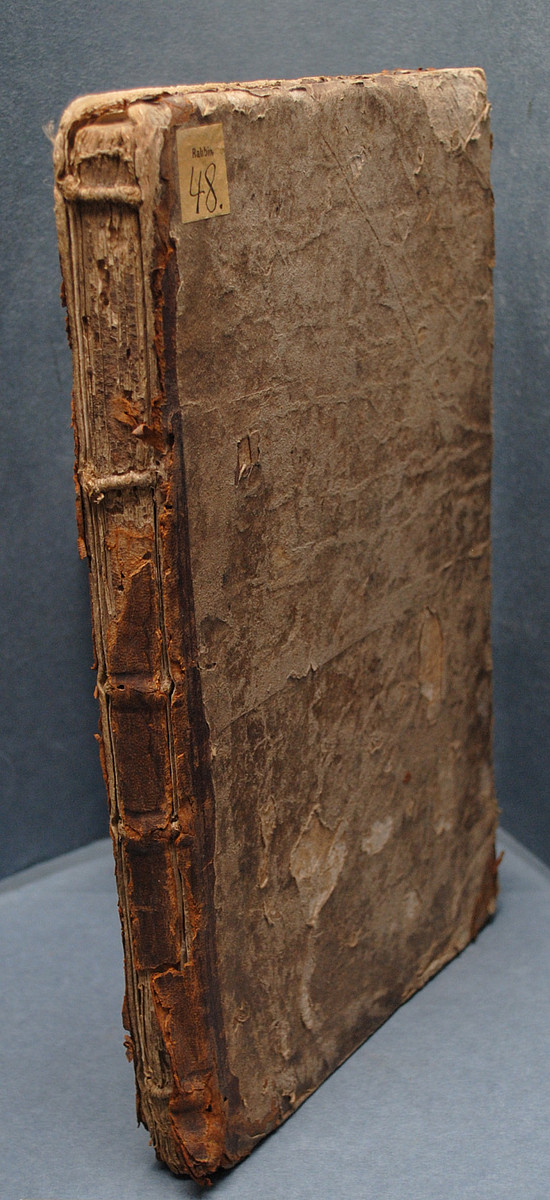
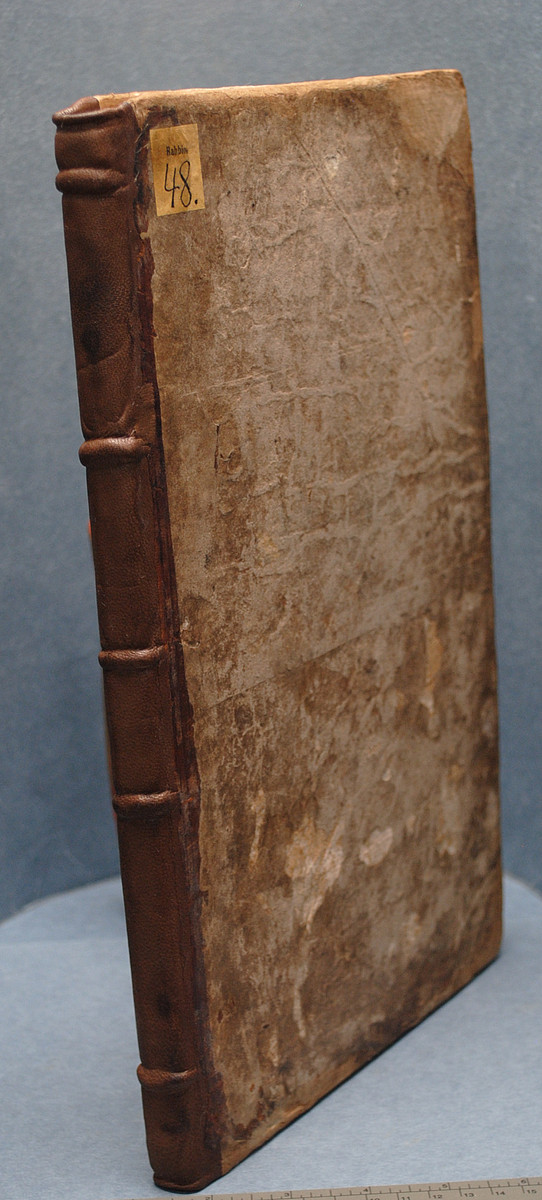
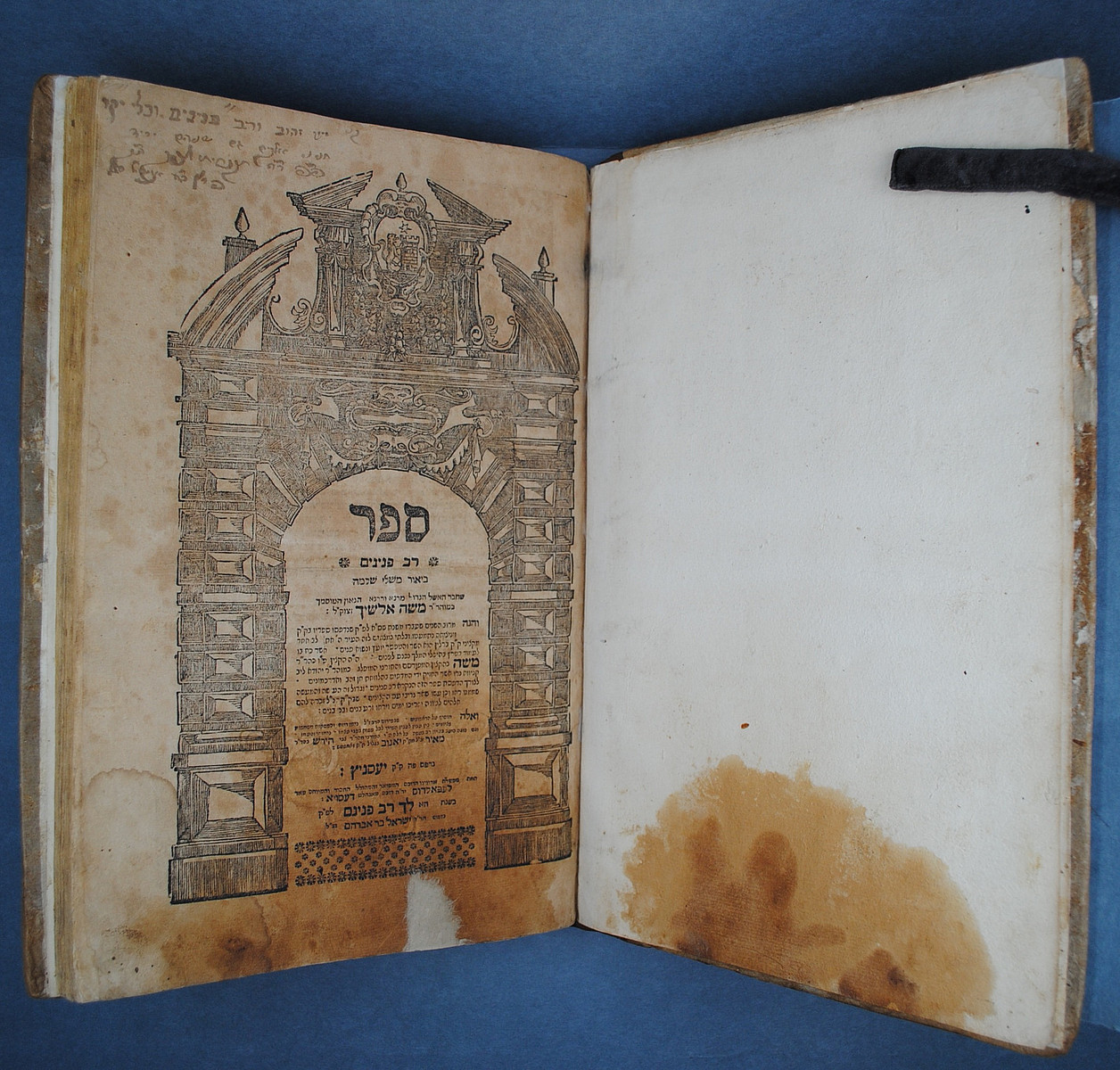
Moshe ben Ḥayim Alshekh: Sefer Rav peninim: Beʾur mishle Shelomoh. - Yasnits: Yiśraʾel ben Avraham, 5482 [1722].
Shelf mark: Rabbinica 48
Summary of Content:
Moshe ben Ḥayim Alshekh (born in Adrianople about 1508, died in Damascus about 1600) was a talmud scholar and eminent biblical commentator who was considered the most eminent preacher of his age. He was chief rabbi of Safed and had a high reputation as a decisor, to whom not only people from Palestine but the entire Orient turned with religious law inquiries. Sefer Rav peninim is a commentary on the Proverbs of Solomon.
Necessary work:
Mechanical cleaning, restoration and re-stitching of damaged leaves, binding restoration and restoration with the addition of missing parts in leather and cardboard, reassembly of the binding.
Restoration costs:
ca. 1.550 Euro
Sponsorship taken over by:
an anonymous donor and the Friends of the State Library and Murhard Library.

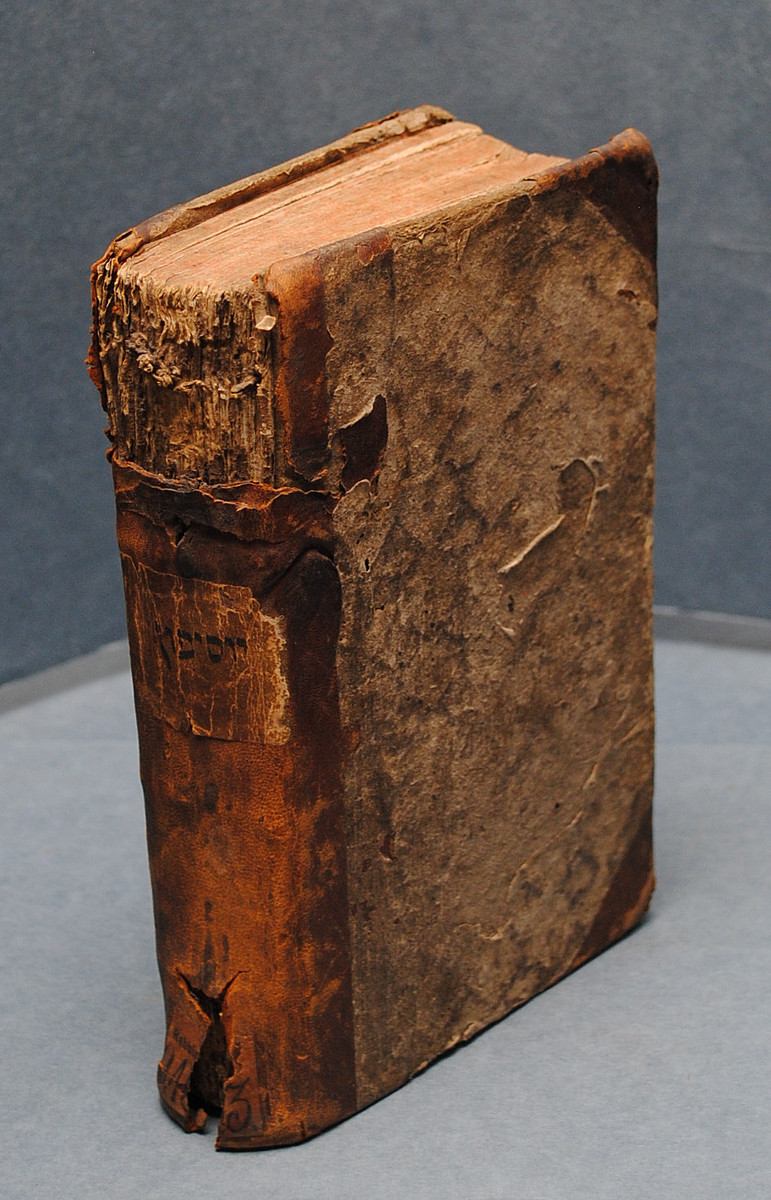
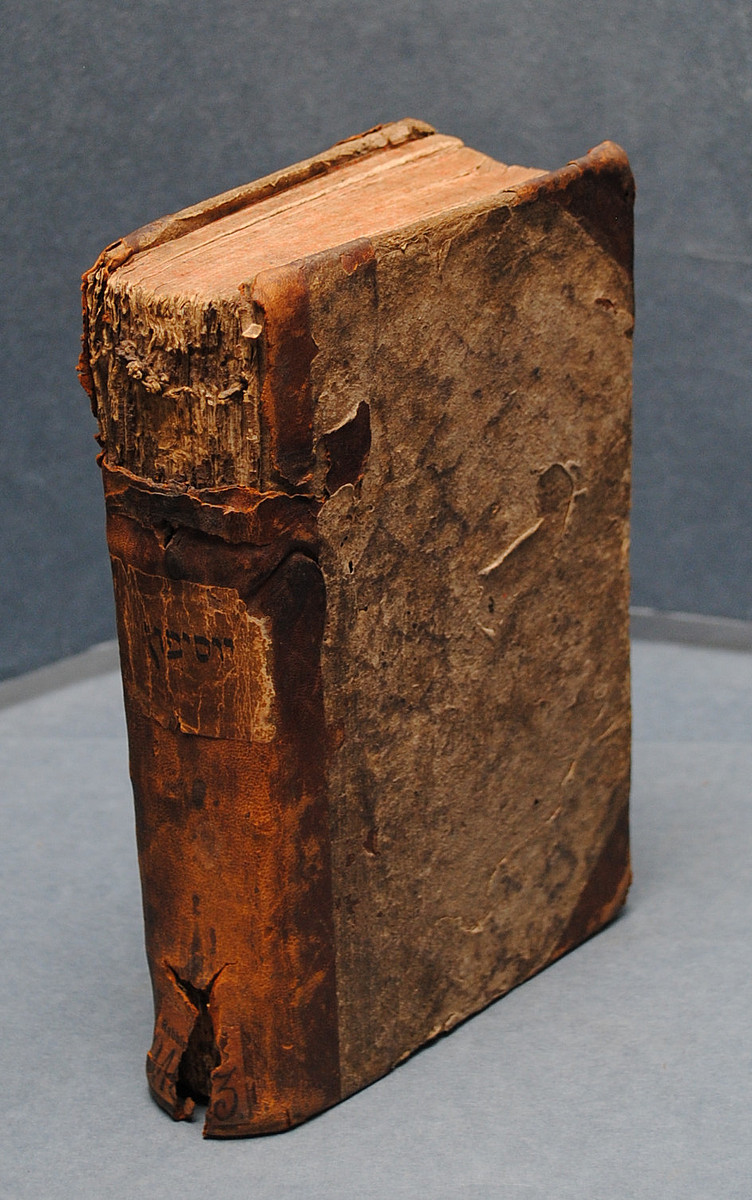
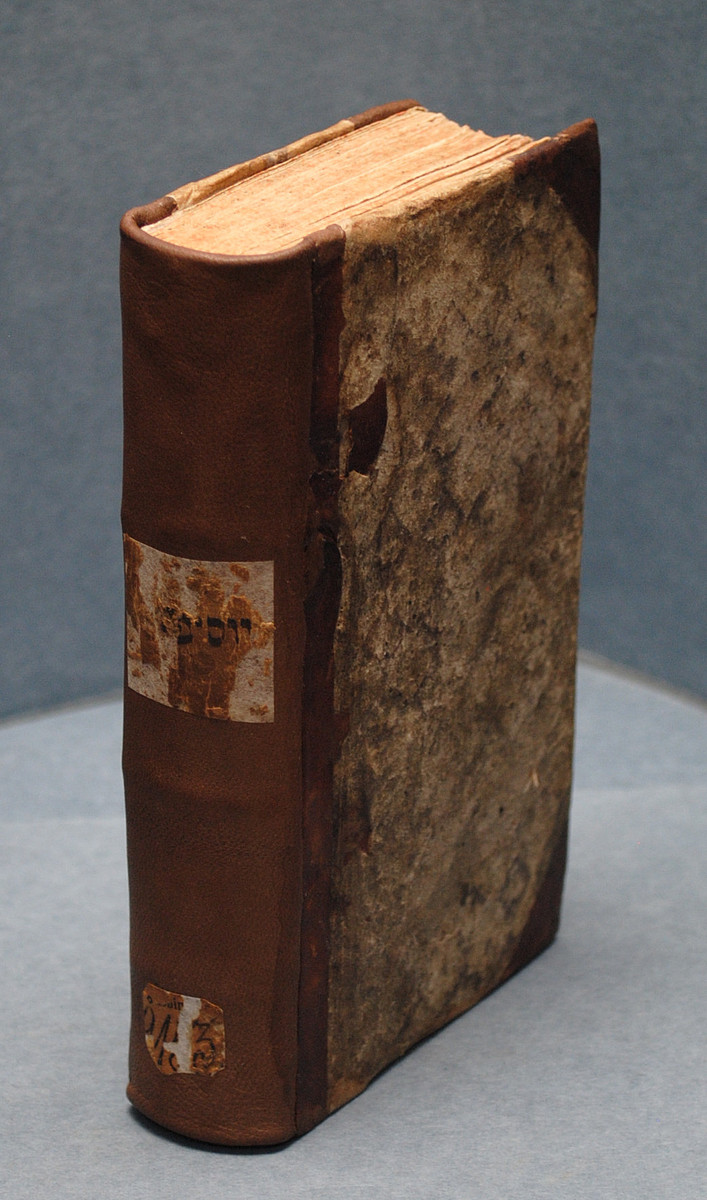
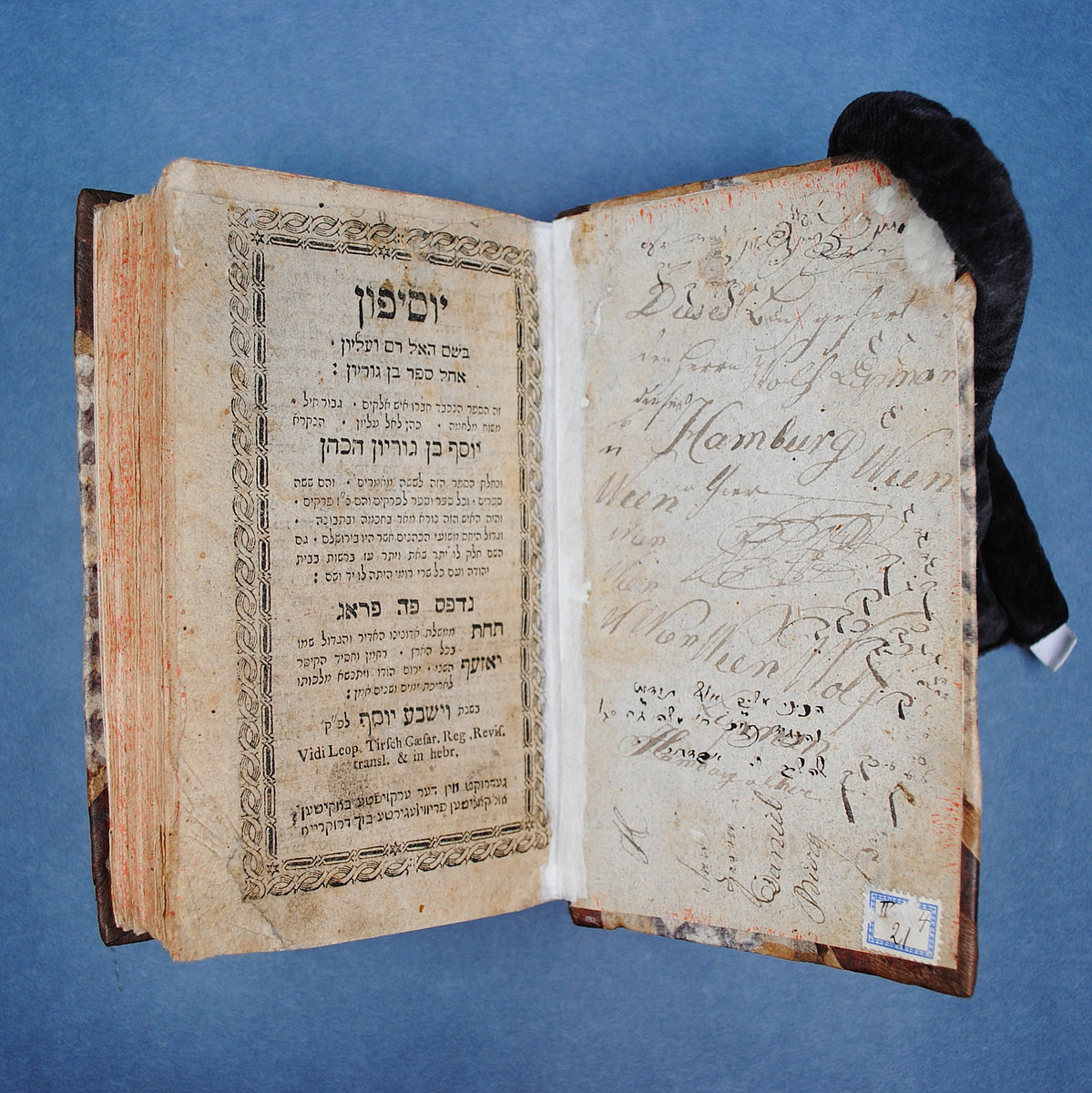
Yosipon. - Prague, 5544 [1784]
Shelf mark: Rabbinica 2153
Summary of Content:
This work was written in 953 by an anonymous author in southern Italy. It is a history of the Jews from the fall of Babylon to the destruction of the Temple in Jerusalem. The author used mainly Josephus Flavius as a source, which he supplemented with Hegesipp and various Latin texts from the early Middle Ages. Later it was greatly expanded, including a Hebrew version of the Alexander romance. The work has been erroneously attributed to Yosef Ben Gurion and Josephus Flavius. First printed in Mantua in 1480, it appeared in countless editions.
Necessary work:
Mechanical cleaning, restoration and re-binding of damaged leaves, binding restoration with addition of missing parts, re-mounting of the binding.
Restoration costs:
ca. 1.250 Euro
Sponsorship taken over by:
Friends of the State Library and Murhard Library