Agroforestry
The content on this page was translated automatically.
What kind of knowledge transfer would you like to see for walnuts, hazelnuts or edible mushrooms?
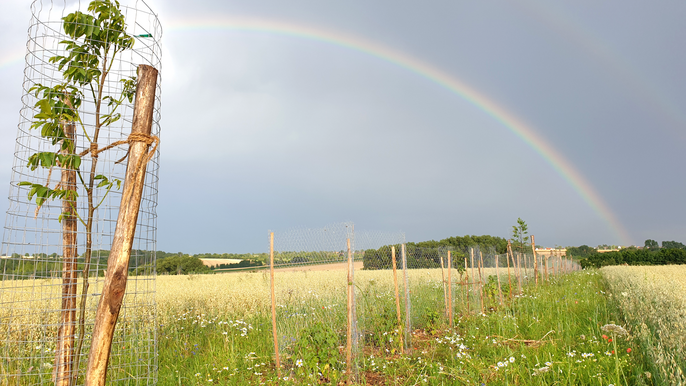 Image: Miriam Athmann
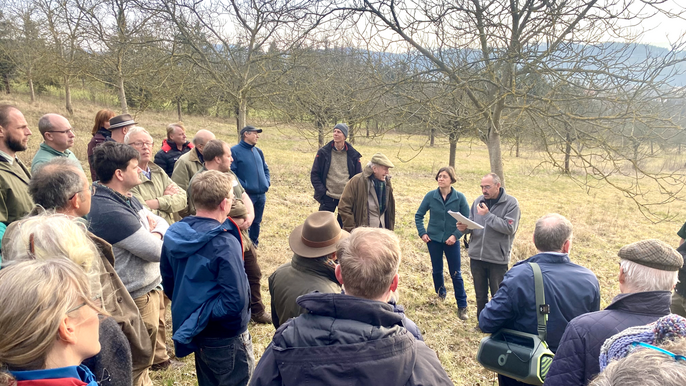 Image: Vivian Böllersen
Agroforestry in Frankenhausen
Field Day: “Walnut Cultivation in Lower Saxony” on October 10, 2026, in Wietzen and Estorf
Starting at 9:45 a.m. in 31613 Wietzen—until approximately 4:00 p.m. in 31629 Estorf
Care, cultivation, and pruning of young walnut trees—walnut varieties (Inquiry: Thorsten Klock) - Cultivation guidance/nutrient management - Promotion - Presentation of techniques and machinery - Harvest - Marketing/direct sales
Insights into almond cultivation in Lower Saxony
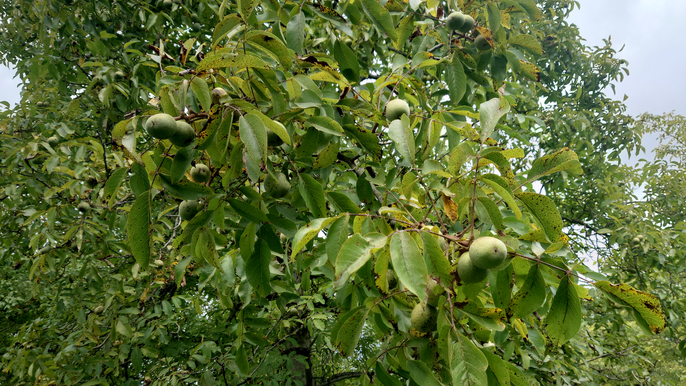 Image: Thorsten Michaelis
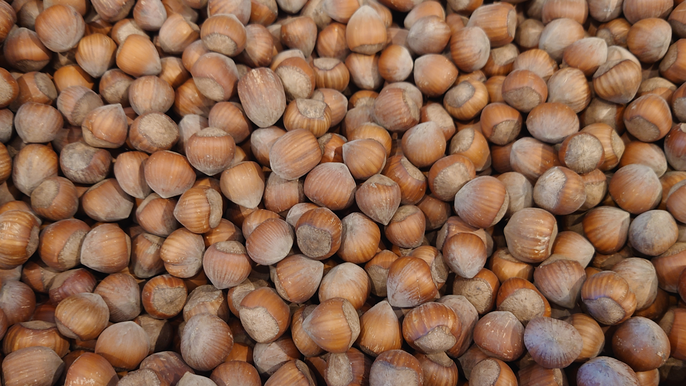 Image: Thorsten Michaelis
Upcoming Nuss Events
NuPiWi Hazelnut Conference on February 24–25, 2027, in Oppenheim, in collaboration with DLR RLP
NuPiWi Walnut Conference tentatively scheduled for March 19–20, 2027
Edible Mushroom Cultivation as a New Line of Business? October 20, 2026, 6:30 p.m. – 9:00 p.m. Online
Introduction to the Basics of Edible Mushroom Cultivation
Various Edible Mushroom Species — November 5, 2026, 6:30 p.m. – 9:00 p.m. Online
Specific Cultural Tours and Potential Marketing Opportunities
 Image: Annett Klötzing
SAVE THE DATE: Edelpilz Events
November 10, 2026: Plant tour at Kubach Speisepilze GbR (74736 Hardheim Gerichtstetten)
Followed by the Southern Germany Regional Meeting
November 17, 2026: Edelpilz Online Seminar – Tapping into Marketing Opportunities in the Food Retail Sector (Birgit Jaquemin, LWK-NRW)
November 24, 2026: Edelpilz Online Seminar – Direct Marketing – Live Coaching (Birgit Jaquemin, LWK-NRW)
November 25, 2026: Farm visit to Pilzgarten GmbH and the substrate production facility BioMyco-Tec GmbH, hosted by Torsten Jonas (27389 Helvesiek)
hr 11.3.2025: Gottsbüren equips itself against the risk of flooding - 3:28 min.
Agroforestry systems increase resilience
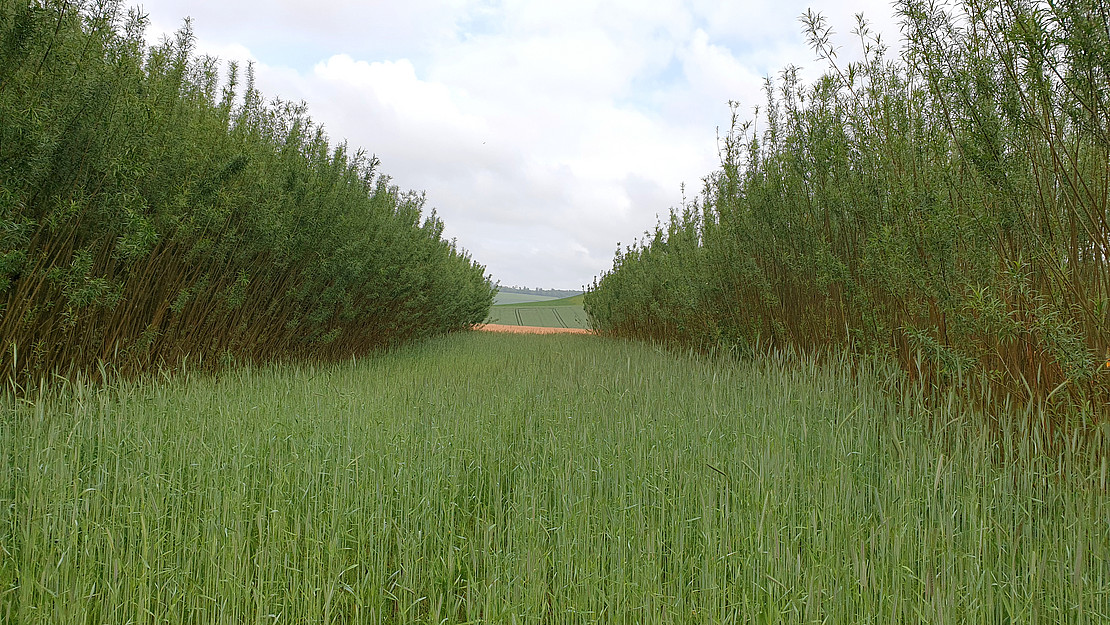
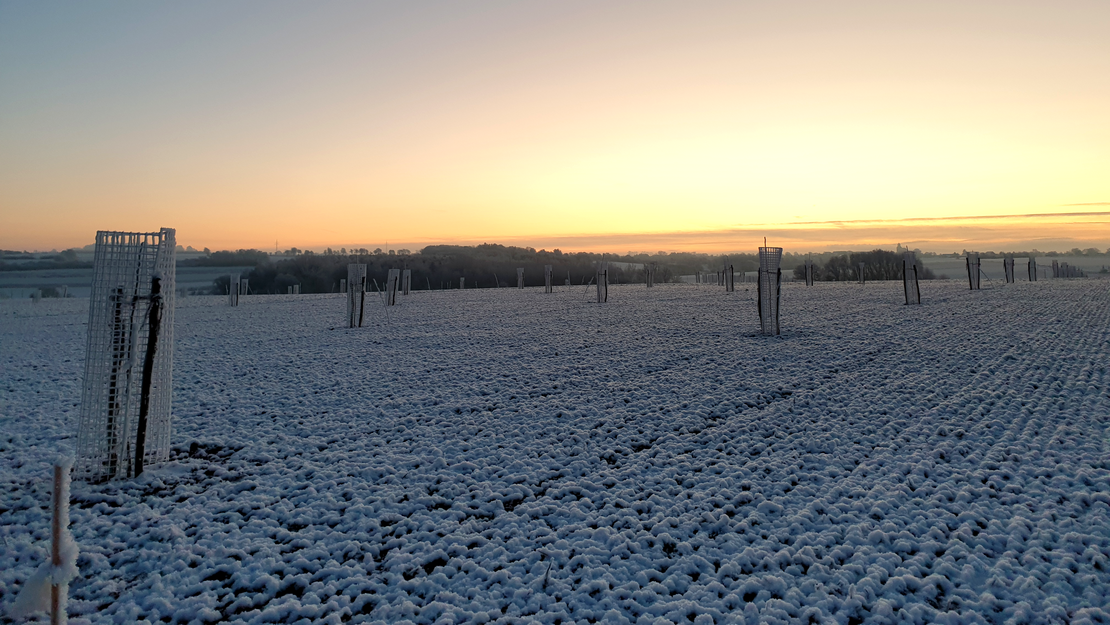
Agroforestry systems are strips of woodland, in arable land or grassland, laid out to match the working widths of agricultural machinery. They also include orchards. They can provide a variety of benefits for agriculture: They reduce erosion and drought and thus create resilience to extreme weather events, which are becoming increasingly frequent due to climate change. They provide protection and shade for poultry and grazing animals. They provide a refuge for beneficial insects, wild animals, insects and wild plants. In agroforestry systems, we are researching the crop development, soil biological parameters, root growth, carbon dynamics and the effects on biodiversity and nature conservation.
The Department of Organic Farming and Crop Production and other employees are members of the DeFAF trade association.