

Press Releases

GPN Press Releases
Since 2009, the program for “Higher Education Excellence in Development Cooperation” (exceed) has supported the establishment of university networks with the Global South in various thematic areas. The aim is to make research and teaching cooperation between universities more useful for development cooperation and the global Sustainable Development Goals (SDGs). An evaluation of the program in 2024 attested to its excellent results. At the beginning of this year, the centers that had received funding since 2020 were promised funds for a second five-year phase (2025-29), again amounting to over €30 million.
Despite the positive evaluation and signed grant agreements, the shock came in mid-December (2025): starting in January, there would be a 53% cut in funding for all centers, with drastic cuts also planned for the coming years. And by January 7, a new, finalized financial plan for the years 2026-29, agreed upon with university administrations, was to be submitted.
The spokespersons for the centers agree that these funding cuts make their work almost impossible. The remaining budget is barely enough to cover personnel and scholarships. All research projects, workshops, visiting professorships, and conferences are simply no longer financially viable. Although the centers continue to exist nominally, these cuts have effectively paralyzed them and rendered them largely incapable of functioning. Funding commitments to southern partners for this year have had to be withdrawn—they certainly imagined a reliable partnership to be something different. This casts a disastrous light on German development cooperation and its status in federal politics.
Open Letter
Signatures in support to the open letter
| Name | Institution | |
| 1 | Simone Buckel | Universität Kassel |
| 2 | Md Mesbah Uddin Saker | University of Kassel |
| 3 | Carlos Mario Cano Restrepo | University of Kassel |
| 4 | Mosa Effat Nur | University of Kassel |
| 5 | Manuel F. Carranza | GPED student, University of Kassel |
| 6 | Amelie Makanzo | Universität Kassel |
| 7 | Mischka Walten | |
| 8 | Julia Wolf | University of Kassel |
| 9 | Hanna Pohlmann | University of Kassel |
| 10 | Fiona Charlotte Faye | Universität Kassel |
| 11 | Tobias Kisskalt | Universität Kassel |
| 12 | David Alejandro Isaacs Pimiento | Kassel University |
| 13 | Tim Lukas Kornprobst | Technische Universität Darmstadt |
| 14 | Masroor Saadeed | Universität Kassel |
| 15 | Adrian Schlegel | World Economy, Ecology and Development e.V. |
| 16 | Mohammed Almajdalawi | University of Kassel |
| 17 | Samira Neldner | University of Kassel |
| 18 | Romke Buchholz | Universität Kassel |
| 19 | Florian Zschoche | Universtität Wien |
| 20 | Alisa Kötzle | FB05 university of Kassel |
| 21 | PD Dr Guenter Froeschl | Center for International Health, LMU Munich, Germany |
| 22 | Robert Meyer | Universität Leipzig |
| 23 | Sören Köpke, Dr.rer.pol. | Fachbereich 11 Ökologische Agrarwissenschaften, Universität Kassel |
| 24 | Sally Matthews | Rhodes University |
| 25 | Prof. Dr. Anne Lisa Carstensen | Universität Kassel |
| 26 | Dr Julia Schöneberg | Independent Scholar |
| 27 | Prof Akua Opokua Britwum | University of Cape Coast, Ghana |
| 28 | Abed Al Kareem Yehya | University of Kassel |
| 29 | Wivina Byera Msebeni | University of Kassel |
| 30 | Baribeshya Jean Bosco | INES-RUHENGERI |
| 31 | Mamadou Kobar | enda graf sahel |
| 32 | Ariane Götz | Universität Kassel |
| 33 | Chow, Shu-Wei | University of Kassel |
| 34 | Ashish Kothari | Kalpavriksh / Global Tapestry of Alternatives |
| 35 | Robertson Klaingar | ACCESS Benin |
| 36 | Elisabeth Kurtz | Uni Kassel |
| 37 | Mehrdad Arabestani | University of Tehran |
| 38 | Ingrid Parchment | Caribbean Coastal Area Management Foundation |
| 39 | Christopher Nyakpo | University of Leipzig |
| 40 | Paulina Martinez Isidro | Universidad Autonoma de Yucatán |
| 41 | TIZAOUI | Tunis university |
| 42 | Audrey Fowling-Bennett | Caribbean Coastal Area Management Foundation |
| 43 | Dr Patricia Northover | The University of the West Indies, Mona |
| 44 | Bikila Abdisa Geleta | Haramaya University |
| 45 | Ndongo Samba Sylla | International Development Economics Associates (IDEAs) |
| 46 | Fana Gebresenbet | Addis Ababa University |
| 47 | Tanja Matheis | Universität Kassel |
| 48 | Javier Becerril | Economics Faculty, Universidad Autonoma de Yucatan (UADY) Mexico |
| 49 | Patrick Bond | University of Johannesburg Centre for Social Change |
| 50 | Prof. Dr. Eva Schlecht | University of Kassel, Section Animal Husbandry in the Tropics and Subtropics (FB11) |
| 51 | Henry Yatich | Mount Kenya University |
| 52 | Biruk F. | Kassel University |
| 53 | Gaël Théophile Ndioléne | enda graf sahel |
| 54 | Emmanuel Seyni Ndione | enda graf sahel |
| 55 | Dieynaba Sagnan | enda graf sahel |
| 56 | Kiboneka Victoria | Makerere University |
| 57 | Paula Haufe | Witten/Herdecke University |
| 58 | Reihaneh Saremi | GPN University of Kassel |
| 59 | Fernanda Cordova | Universität Kassel |
| 60 | Kombate | Université de Kara |
| 61 | Nora Schütze | Universität Kassel |
| 62 | Arash Rezapour | University of Tehran |
| 63 | Maryam Rahimi | University of Tehran |
| 64 | Preksha M | Delhi University |
| 65 | Sumona Dhakal | Humboldt University Berlin |
| 66 | Sajede Moghaddami | University of Tehran |
| 67 | Adama Doudou Diop | Université de Kara (Togo) |
| 68 | Dr OUÉDRAOGO Sylvestre | USAD/IPDAOS Burkina Faso |
| 69 | Mohammad Abu Hajar | Global Partnership Network |
| 70 | Sachin Jamdade | Jawaharlal Nehru University, New Delhi |
| 71 | Dr. Zacharie Vissiennon | ACCESS Benin |
| 72 | Marie-France Eisner | GPN |
| 73 | Dr. Ralph Nyadu-Addo | Kwame Nkrumah University of Science and Technology |
| 74 | Claudia Dechamps | OPATS |
| 75 | Abigail Appiah | University of Cape Coast, Ghana |
7th October 2020: Wangari Maathai Professorship
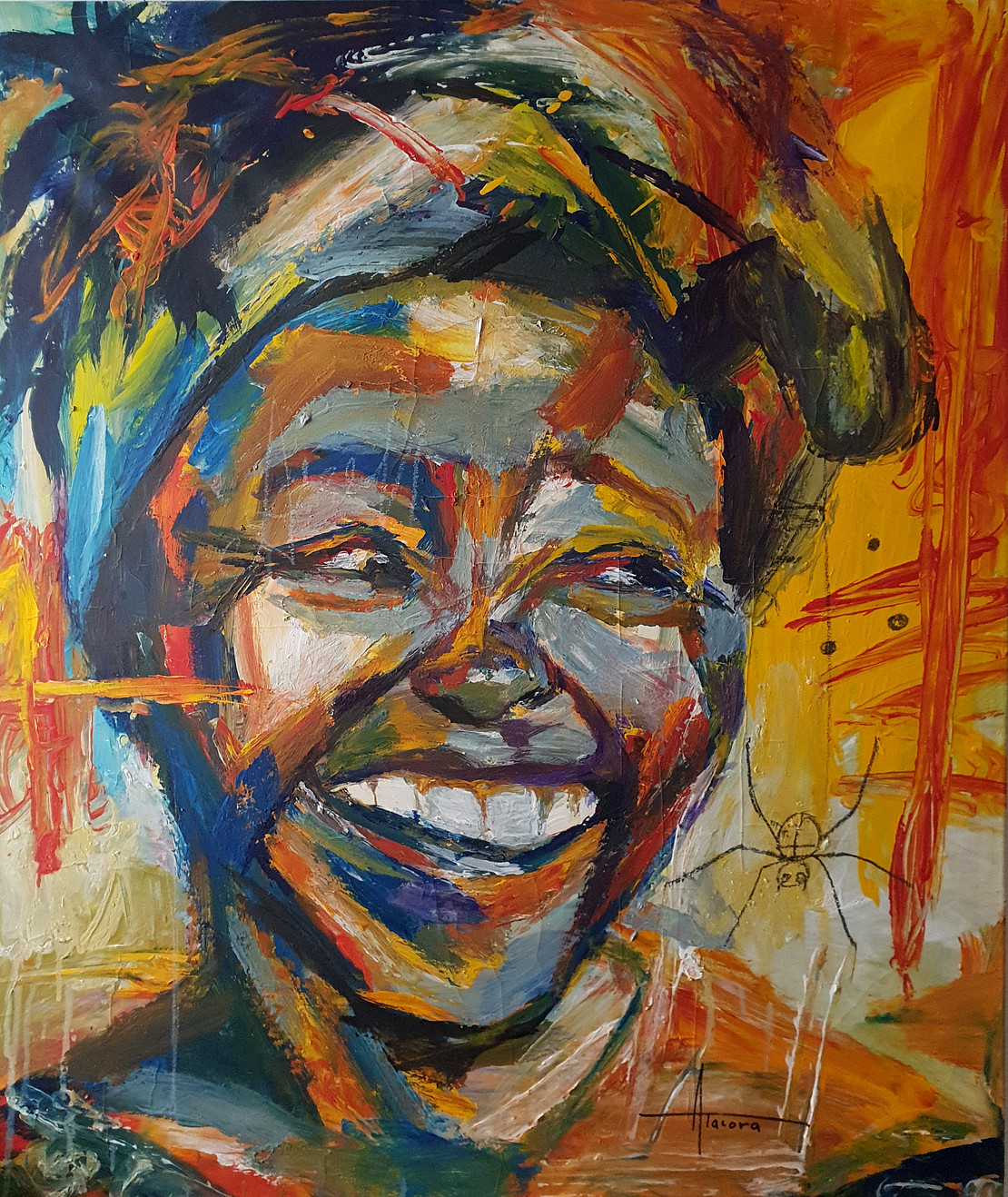
Each semester, a guest professorship at the Research Institute is intended to promote international exchange and mediation and, within the framework of the GPN, to enable and strengthen the production of knowledge in partnership and mutual cooperation. In this sense, the GPN guest professorship is named after the Kenyan environmental and women's rights activist Wangari Maathai.
In her person, she united strong and diverse qualities that serve as a powerful role model. With this dedication, the Global Partnership Network wishes to honour these qualities. As an international scholar and activist, she stands symbolically for the relevance of the exchange between Global North and Global South. In addition to this work, she was involved in civil society from the very beginning, campaigning for human rights and especially for women's rights and became the central figure of the women's movement in Kenya, whose Women's Council she headed for many years. Under these circumstances, she succeeded in casting an important seed that combines various themes that are also close to the GPN: ecological, social, feminist and democratic concerns. In 1977, she founded the Green Belt Movement, which has since become a pan-African movement. By planting millions of trees, this impressive movement was able to tackle a variety of problems. Not only is reforestation is good for the environment, but the working and living conditions of local farmers have also improved and a more conscious approach to nature has been encouraged. However, this success was not achieved through international development programmes, but through local communities and grassroots movements, based on a worldview in which humans do not exploit nature, but recognise it as a source of life.
In 2004, she was the first African woman to receive a Nobel Peace Prize for her activist work in the movement. In the context of the current debate on climate change, Maathai was chosen as a person who has fought for a world that is fair to our climate. She also has fought with a strong sense of justice for the movement that started and grew with the planting of new trees. In her life as an activist, women's struggle and the environmental movement merge and are the roots of a movement that has since become successful. By naming the guest professorship after Wangari Maathai, the GPN draws inspiration from great personality as a role model for its priorities partnership in development cooperation, global economy in the context of climate justice as well as knowledge production and the enabling and strengthening of alternative knowledge from the bottom up.
Download full press releases
1st September 2020: Thomas Sankara Scholarship
Established in 2020, the Global Partnership Network (GPN) consists of university and civil society partners from Burkina Faso, Jamaica, South Africa, Senegal, Togo, Uganda, Ghana, Haiti, India, Iran, Ethiopia and Germany. The GPN calls attention to the shortcomings, limitations, and problematic aspects of international partnerships that have historically been shaped by colonial relations between North and South and sometimes continue to reflect them. Redressing this historical dynamic requires reconstructing the concept towards a partnership based on mutual recognition and solidarity, adequate to the multi-polar and postcolonial 21st century.
Besides producing e-learning tools, fostering research cooperations and implementing a wide array of workshops, the graduate program is one of the core activities of the GPN. The GPN grants 12 scholarships exclusively to PhD students from the global South in order to back Southern higher education knowledge production.
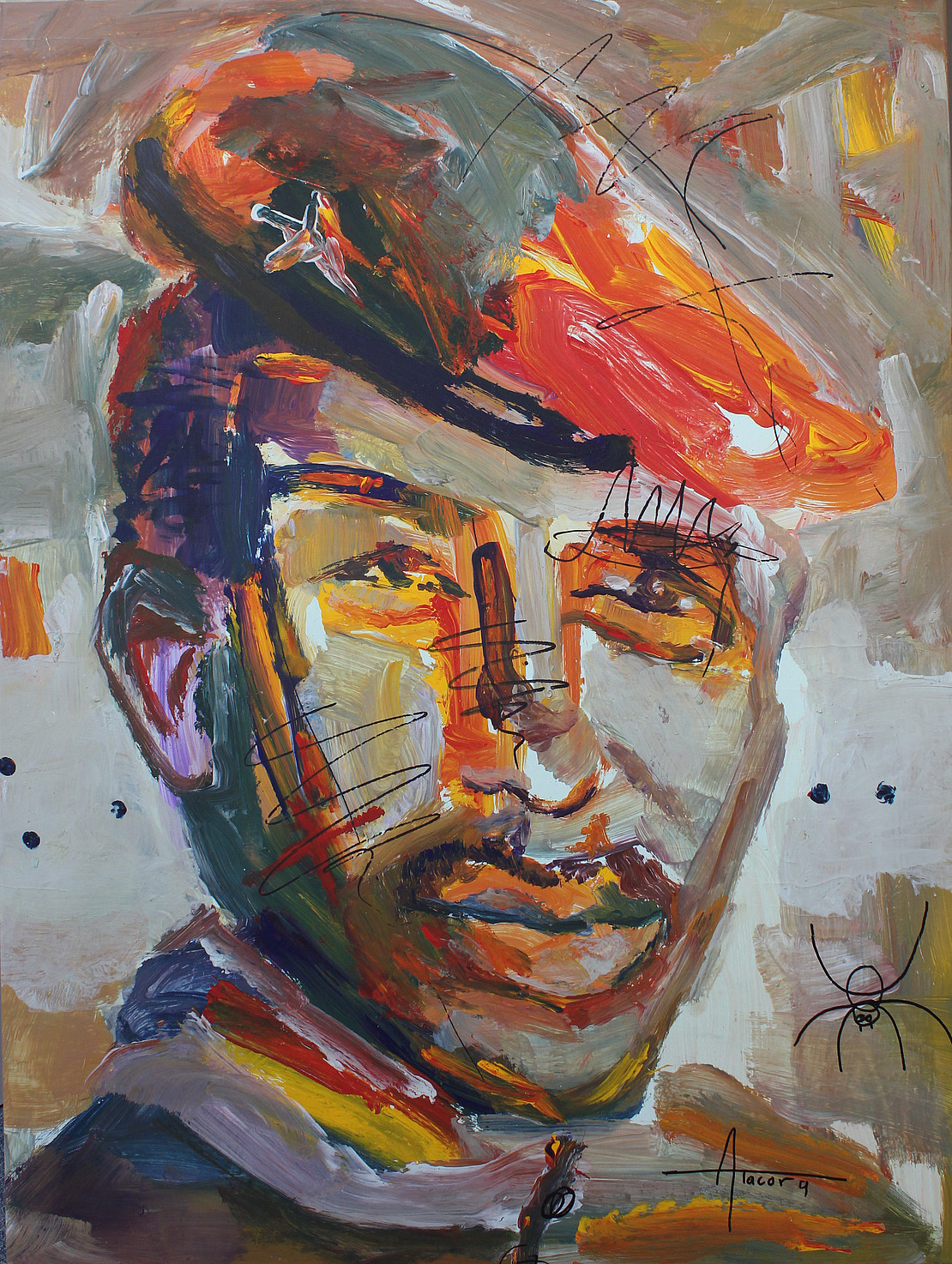
Our desire to name the scholarships after this outstanding personality Thomas Sankara goes back to his pioneering approach to global partnerships, which we consider as an inspiration for our own critical engagement with North-South as well as South-South relations. His resistance against neo-colonialism and his contributions to an emancipation and self-determination of the Burkinabè and further African people still inspires the African and international youth until today. In only four years of presidency, Sankara made the country independent of any food imports, brought numerous women into politics, rigorously fought elitism and corruption, made efforts to decentralize and democratize state power, stood up against odious debts, introduced the building of the great green wall in Burkina Faso and replaced the government fleet of Mercedes Benz by compact cars, while riding a bike to work himself.
Considering themselves as an organization and social movement with a Sankarist tradition, our Burkinabè CSO partner, the Balai Citoyen (in English: civic broom) is certainly placed best to provide an outstanding expertise on Sankara’s pioneering visions and policies. Therefore, inviting a speaker of the Balai Citoyen to a virtual graduate school seminar will be one of the first actions of our graduate school coordinator.