

All-Gender-Toilets
Why All-Gender Toilets?
The University of Kassel sees itself as a gender-equitable, family-friendly, open, inclusive and intercultural university. It is committed to recognizing social diversity and enabling participation. This is reflected not least in access to adequate and safe toilet facilities.
This concerns not only issues of accessibility, but also issues of gender diversity. At present, most toilets in public buildings are divided into male and female toilets based on gender. However, this exclusively binary division can make it difficult for a number of people to feel comfortable and safe in their place of work or study and does not offer sufficient protection from discrimination for trans*, inter* and non-binary people in particular.
This applies not only to issues of accessibility but also to issues of gender diversity. Currently, most restrooms in public buildings are divided by gender into women’s and men’s restrooms. However, this exclusively binary division can make it difficult for a number of people to feel comfortable and safe at their place of work or study, and it does not provide sufficient protection against discrimination, particularly for trans*, inter*, and non-binary people.
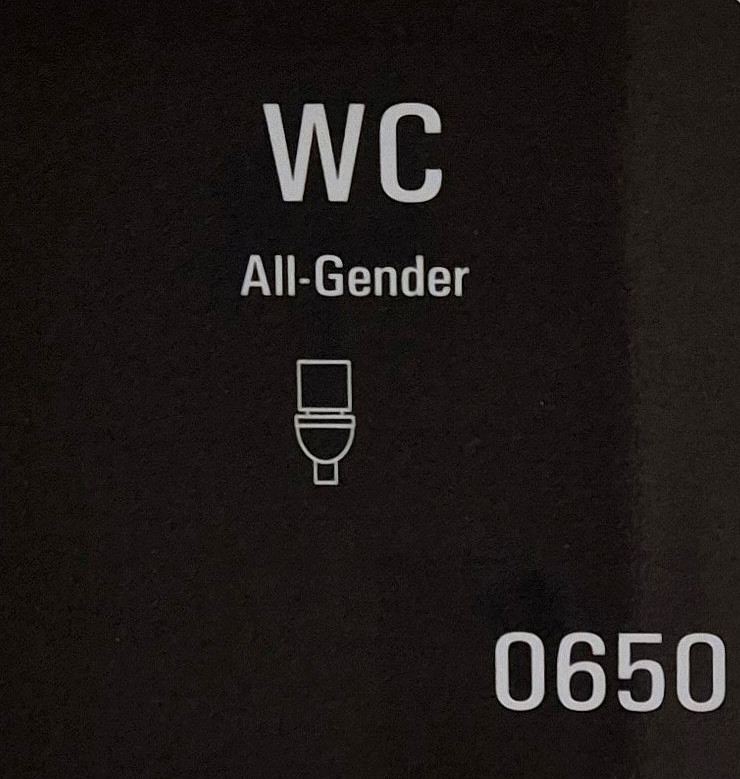
Q&A All-Gender Toilets
Different people can benefit from the installation of all-gender toilets, for example
- a person with a non-binary gender identity
- a father who wants to change his daughter’s diaper
- a trans* man who menstruates
- a woman with a disability who has a male assistant who needs help going to the toilet
- a parent with children of different genders
Anyone who feels more comfortable using binary-separated toilets will continue to find separate ladies’ and mens’ toilets available. (There are also still wheelchair-accessible toilets available, which will not be used as all-gender toilets.) All toilets are clearly labelled.
Yes, menstrual products are available in the all-gender toilets.