
Mobility survey 2025: University Members are traveling more sustainably
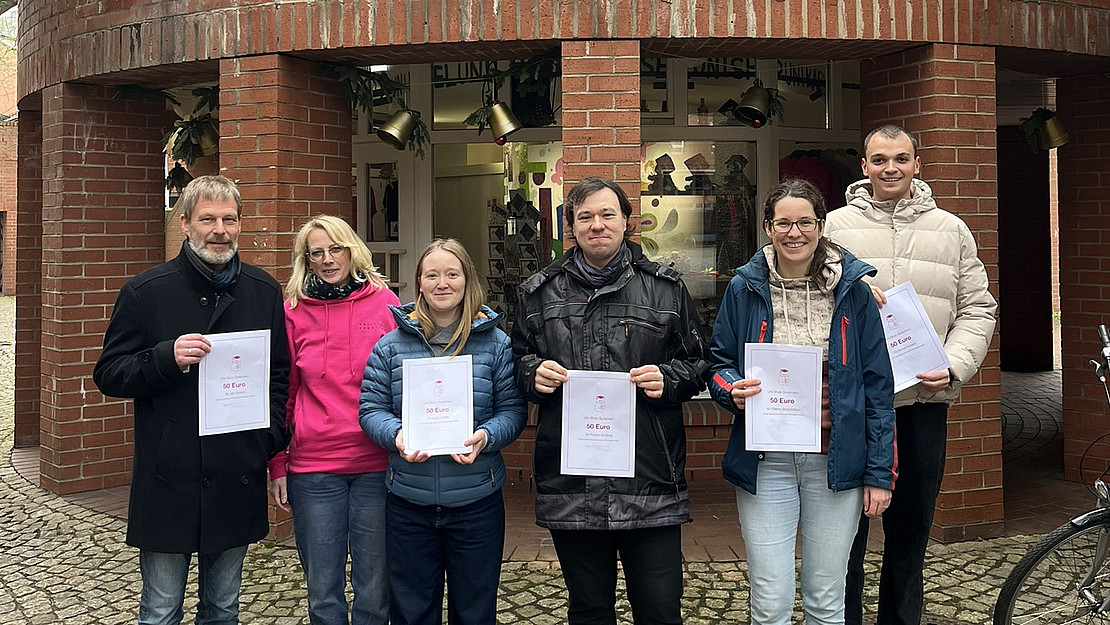 Image: University of Kassel
The underlying data comes from a mobility survey of students and employees at the University of Kassel, which was conducted in the course of 2025.
Employees: increases in public transport and cycling
Between 2022 and 2025, employees at the University of Kassel showed a clear trend in favor of sustainable means of transport. The share of motorized private transport fell from 33 percent to 30 percent. At the same time, both public transport and cycling increased: the share of public transport rose from 22 to 25 percent and cycling from 20 to 23 percent. Pedestrian traffic fell slightly from 25 to 22 percent.
This development corresponds to the nationwide trend at universities and large employers, where improved public transport services, job tickets and a growing bicycle-friendliness are leading to a moderate but stable shift away from the car.
Students during the lecture period: public transport on the rise
A change is also evident among students, particularly during the lecture period. While the proportion of motorized private transport fell slightly from 22 to 21 percent, the use of public transport increased from 30 to 32 percent. Cycling increased from 17 to 19 percent, while walking continues to play a central role with 28 percent (2022: 30 percent).
This puts the University of Kassel at an above-average level compared to many German university locations in the area of environmental transport - walking, cycling and public transport.
Lecture-free period: Stable patterns with slight shifts
During the lecture-free period, students' mobility patterns remain stable overall. The share of public transport increased slightly from 30 to 31 percent, the share of private car use from 27 to 28 percent. Walking remained constant at 28%, while cycling fell slightly from 15% to 13%. These shifts can be explained by the weather, changes in daily structures, working hours and living outside Kassel, among other things.
This was the Mobility Survey 2025
The Department of Transport Planning and Transport Systems at the University of Kassel, headed by Prof. Dr. Carsten Sommer, would like to thank all students and employees who took part in the mobility survey on behalf of the entire university.
Basis for research and further development of the campus
The data collected will be further evaluated over the coming months and then integrated into research, teaching and practice. Among other things, it will form an important basis for the continuous development of mobility services on campus. One concrete example is the bicycle boxes that were implemented as a direct result of the 2022 mobility survey.