
Gardener
This page contains automatically translated content.
Overview
What are you doing as part of your training to become a gardener at the University of Kassel?
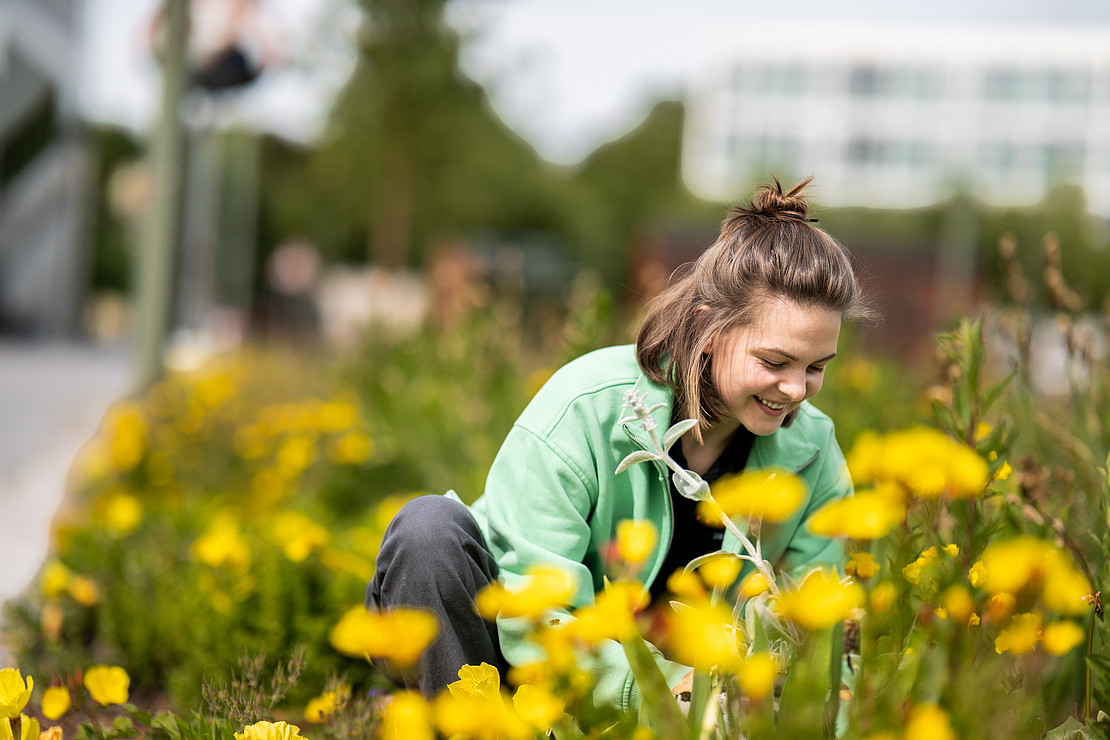
In the greenhouse at the University of Kassel, you’ll learn how to grow plants—from seed to sale. You’ll discover how seed quality, sowing dates, growing media, and growing conditions influence plant development. You’ll also gain hands-on experience working outdoors: creating and maintaining garden beds, and working efficiently with tools and machinery.
During the first two years of your training, you’ll learn the basics: You’ll get to know the operation, work according to ecological principles, and propagate plants correctly—using the right soil, fertilizer, and pest control. Plant protection and nature conservation are central topics in this process.
In your third year, you’ll focus on ornamental plants: cut flowers, potted plants, and balcony plants. You’ll propagate plants from seeds or cuttings, care for them until they’re ready for sale, and organize storage and distribution. This also includes advising customers—from helping them choose the right plants to providing proper care instructions.
At a Glance
How does the training program work?
This career is a good fit for you if you...
- have a green thumb
- are “weatherproof”
- enjoy getting your hands dirty
Here are the benefits for you
Salary based on the collective bargaining agreement (TVA-H BBiG)
30 days of vacation
Fixed working hours or flex time
Affordable membership in university sports (starting at €2.50/month)
Free public transportation throughout the state of Hesse
Free professional development courses & language classes
Meals at student rates: cafeteria, cafés
 Image: Sonja Rode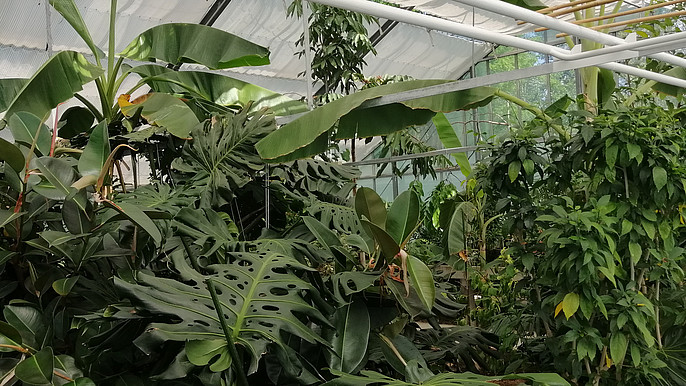
University education
Good opportunities for permanent employment and career advancement
Secure career prospects in the public sector
Frequently Asked Questions About Training
At the start of the training program, a good secondary school diploma is the minimum requirement. Grades in German and mathematics on the final school transcript should be at least “satisfactory” or better.
A monthly training stipend is paid in accordance with Section 8(1) of the Collective Bargaining Agreement for Trainees in the State of Hesse (TVA-H BBiG). This currently amounts to
- 1,356.85 EUR in the first year of training
- 1,411.43 EUR in the second year of training
- 1,461.51 EUR in the third year of training
The workweek is 40 hours. Working hours are fixed from Monday through Friday, from 7:45 a.m. to 4:15 p.m. each day.
In the greenhouse at the University of Kassel, you’ll learn how to cultivate plants and assess various growing conditions and factors. Seed quality, the sowing date, and even the growing medium all play an important role. Setting up and maintaining the outdoor garden beds is also part of your responsibilities. The use and proper handling of equipment, machinery, and tools make the work easier.
The first and second years of the program focus on basic vocational training. During this time, you’ll first become familiar with the training company and its operational processes and workflows. In a hands-on manner, you’ll also learn how to propagate plants using the right soil and fertilizer, taking environmental protection and nature conservation into account. In addition, you’ll learn how to identify pests on plants and implement plant protection measures. Operational plant protection will also play a role.
The third year of training is dedicated to specialization-specific training. The ornamental horticulture specialization focuses on the cultivation of cut flowers, bedding plants, potted plants, and balcony plants. To this end, gardeners in ornamental horticulture work extensively in greenhouses, but also outdoors during the summer. Gardeners propagate plants using seeds or cuttings and care for them until they are ready for sale. Afterward, the gardener coordinates the storage and sale of the plants. Advising customers is also part of their responsibilities.
After completing your training, you will generally be offered at least a temporary position. However, you can also start working as a skilled professional in nurseries or garden centers, gain further qualifications through master craftsman or technician training programs, or pursue new career paths in the agricultural and landscaping industries by continuing your education.
Apply now!
Contact
| Name, Forename | Contact | |
|---|---|---|
| Fandrich, Steffen FB 10 - Greenhouse | Telephone +49 561 804-4238 |