
Rapidly growing worldwide: biodiversity data is now used in over 180 countries
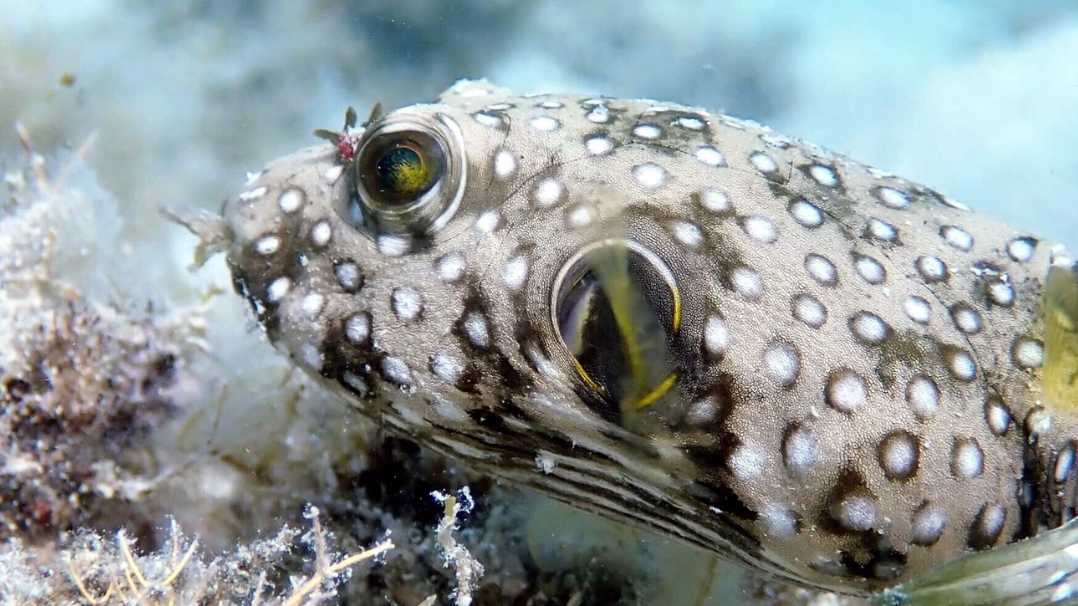 Image: Brogan Mancell (CC BY-NC 4.0).
The Global Biodiversity Information Facility (GBIF) is the world's largest data platform for biodiversity information. It collects, integrates and provides freely accessible data on species, their distribution and habitats. This includes observations of animals and plants, scientific collection data and environmental information. "Such freely available biodiversity data is central to global research," says Gemeinholzer from the Institute of Biology at the University of Kassel. "They open up new scientific questions, promote international cooperation and provide the basis for informed decisions in nature conservation, climate protection and sustainable resource use."
The study examines who uses the data, which methods are used and which research topics arise from this. The analysis shows that the 12,000 publications reflect not only quantitative but also qualitative diversity: Researchers in over 180 countries use GBIF data for a wide range of methodological approaches, such as species distribution models, phylogenetic analyses or interaction studies. In addition, the publications cover more than 150 research areas - including established fields such as nature conservation and climate change as well as new topics such as agriculture, tourism and "One Health".
An analysis of the species examined also reveals that Four out of five studies focus on animals, especially vertebrates, while plant studies deal almost exclusively with vascular plants. More than 6,000 publications deal with species on the IUCN Red List of Threatened Species, including around 2,000 listed as endangered. This indicates that the scientific use of GBIF data reflects the existing database while covering a growing taxonomic range. At the same time, the results reveal areas in which the database can still be expanded, for example through additional data types, methods or recorded species groups.
GBIF data are also frequently combined with abiotic environmental variables such as temperature or precipitation, while pollution or pesticide data are less frequently used. The increasing use of machine learning methods opens up new possibilities for analysis and forecasting.
"In order to close existing gaps and further increase the scientific relevance of GBIF, supplementary data sources such as eDNA, ecoacoustics or camera traps should be systematically developed," emphasizes Gemeinholzer.
Further background information
The study by Dirk Steinke and colleagues builds on an analysis by Mason Heberling et al. (2021) and examines the use of GBIF data in two consecutive five-year periods. Among other things, the geographical distribution, thematic breadth, institutional networking and methodological approaches of the publications were analyzed.
To the PNAS article: https://www.pnas.org/doi/full/10.1073/pnas.2519119122
What does this mean in summary?
- Strong growth in use: Freely accessible biodiversity data from GBIF is used worldwide - researchers from over 180 countries, an increase of almost 30 % compared to the previous five-year period.
- Broad research applications: Over 12,000 publications from more than 150 research fields, from conservation and climate change to agriculture, tourism and "One Health".
- Potential and gaps: Focus to date has been primarily on animals and established environmental factors; new data types (e.g. eDNA, ecoacoustics) and AI methods offer great potential for expansion in biodiversity research.