
This page contains automatically translated content.
Protected areas are places of solidarity
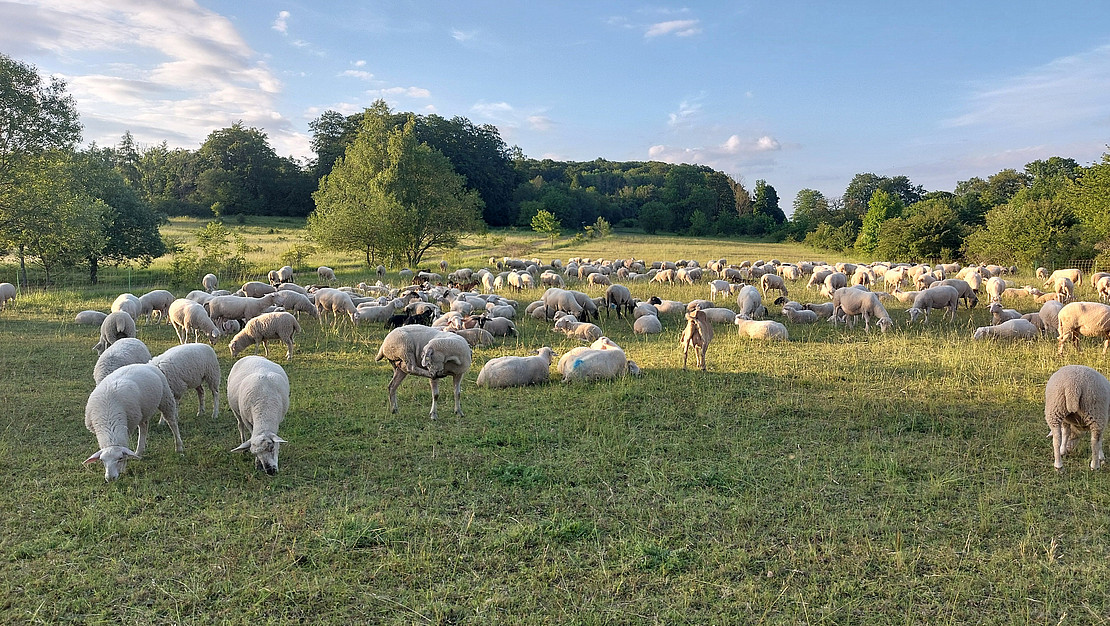 Image: University of Göttingen.
The research team analyzed narratives from people who live, work or spend their leisure time in or near protected landscapes in the Göttingen district. The results show that protected areas create identity, promote knowledge about nature and offer spaces for recreation, cooperation and community action. The study was published in the journal People and Nature. Prof. Dr. Tobias Plieninger from the University of Kassel was involved in the study.
For the study, the researchers conducted 38 interviews in five protected areas of the Europe-wide Natura 2000 network. They interviewed people who live, visit or work there - in agriculture, forestry, hunting or nature conservation. "We wanted to know how people perceive their personal relationship with nature and how protected areas shape this connection," explains lead author Dr. Marion Jay from the University of Göttingen. "The narratives reflect multiple dimensions of connectedness - from knowledge and learning to emotions and institutional relationships." On this basis, the team uncovered five central narratives: Learning, regional heritage, recreation, multifunctional use and collaboration.
According to the researchers, the narratives make it clear that the experience of nature and a sense of responsibility are closely linked. For example, interviewees talked about how walks through forests and meadows promote mindfulness, how forest cooperatives shape a sense of local belonging or how employees in agriculture and forestry see themselves as "guardians" of the landscape. Some activities, such as more sustainable extensive grazing, contribute to the preservation of biodiversity. At the same time, they secure the income of agricultural businesses and shape a sense of responsibility towards nature. "Understanding these complex relationships is particularly important in protected areas where human activity affects the landscape and biodiversity," says Jay. "If we take people's stories and perspectives seriously, protected areas can become places where ecological and social goals go hand in hand."
The research team sees great potential in using narrative approaches - methods that collect and analyze stories that people tell about their experiences. In nature conservation, they can help to make local experiences visible, better understand conflicts and find common paths for the sustainable development of the landscape. The researchers recommend promoting dialogue spaces in organizations and long-term cooperation on the ground in order to preserve protected areas as living components of cultural landscapes.
Original publication: Jay, M., et al. Exploring narratives of human-nature connections in protected areas.People and Nature (2025). DOI: 10.1002/pan3.70195