
This page contains automatically translated content.
Networks for pandemic resilience: Exploratory trip to Peru by the Kassel Institute for Sustainability
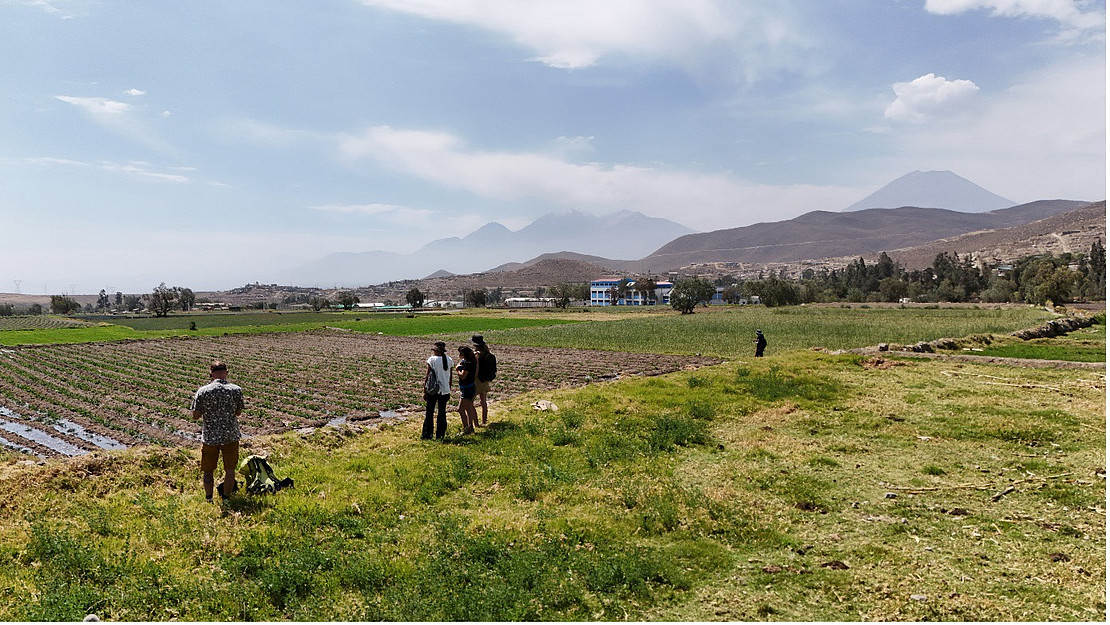
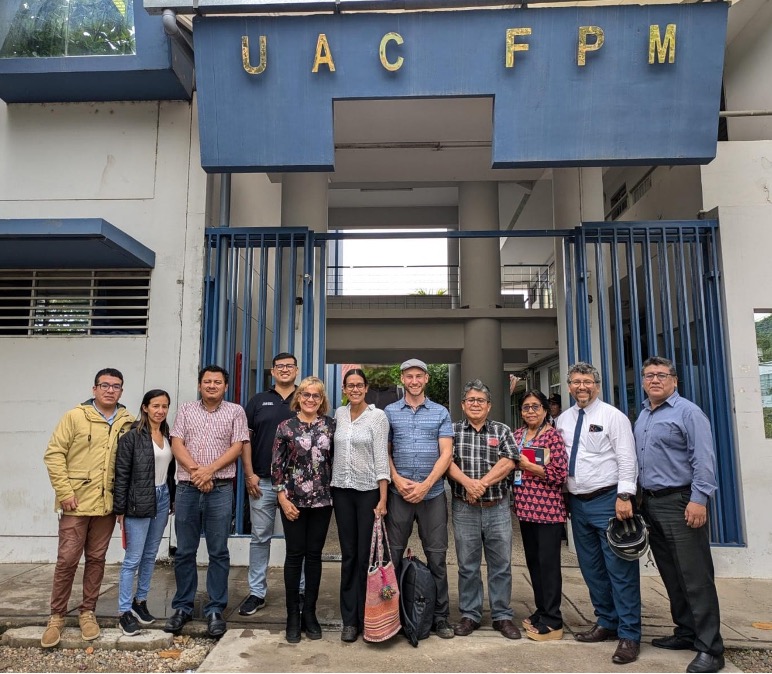
At the end of September, a delegation from the Department of Human-Environment Interactions undertook a three-week trip to Arequipa, Cuzco and Puerto Maldonado and, building on an earlier collaboration, established contacts with colleagues from related disciplines and perspectives in line with the tried-and-tested pressure-and-release model. The impetus from a series of workshops and get-togethers will be used to plan future joint research proposals, in which the regionally specific epidemiological risks and social resilience strategies and factors will be investigated.
In Arequipa, Peru's second largest city, the focus is on the urban structure and environmental problems caused by the contamination of scarce water resources through the use of pesticides in urban agricultural areas and open-cast mining. Visits included the Universidad Nacional de San Agustín (Julio Raul Medina Cruz) and the Universidad Tecnológica del Peru (Valkyria Ibarcena).
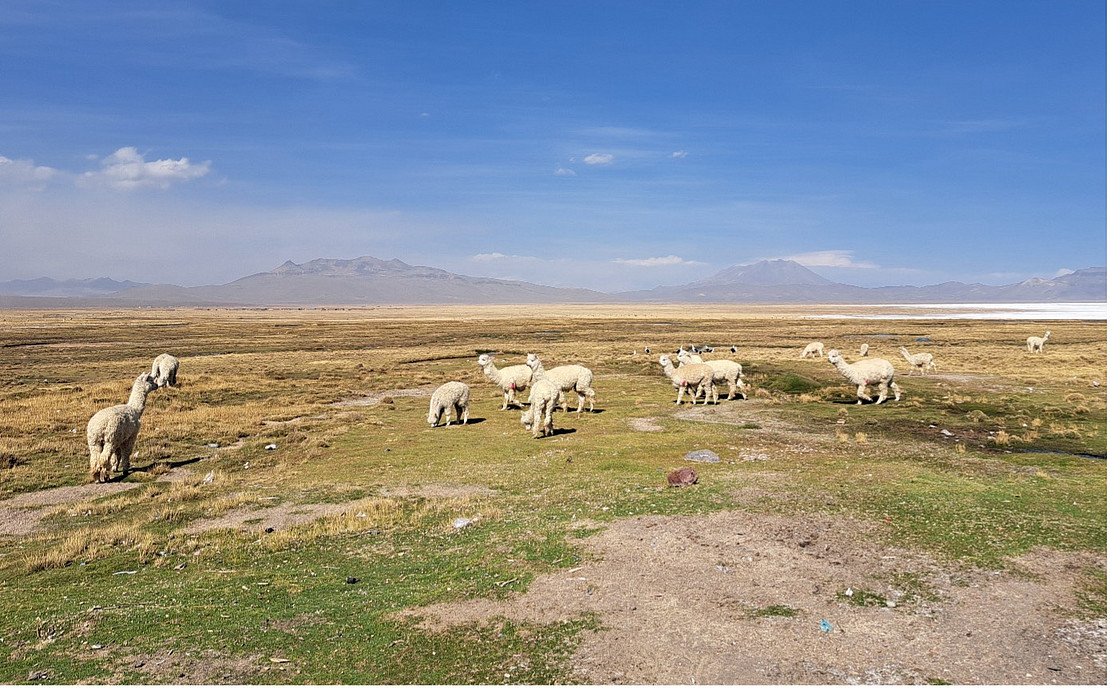
In addition to the Universidad Andina, NGOs (https://cbc.org.pe/) with contacts to indigenous groups were also visited in Cuzco in the heart of the Andes. The regionally significant pasture use by alpacas is interesting from an epidemiological perspective because these animals from the camel family have antibodies against a large number of coronaviruses. The social vulnerability here lies in the habitualized marginalization of Andean ways of life. We were surprised by the size of the library and the large number of articles with local empirical studies that cannot be found anywhere else, and certainly not digitally. A real treasure!
The last town visited was Puerto Maldonado, which is the hub of the southern Peruvian rainforest, as well as the transmission route to Brazil and thus from ocean to ocean. Health and epidemiological risks exist here in a variety of ways, be it from smoke clouds due to deforestation or mercury contamination from alluvial gold mining. There is also a risk of new zoonoses due to the increasing intrusion into primary forests. Conversely, the transit traffic of the modern age endangers groups living in extensive isolation through infection, for example with acute respiratory infections, which are generally harmless for tourists. Many of the region's economic activities are criminalized, the state-run modern healthcare system is inadequate and expensive, while traditional medicinal plants and knowledge about them are being suppressed.