
Fans become experts
Soccer is a captivating, often heated game that evokes emotions and has social significance. For many fans, their club is a piece of home and a living tradition - a firm anchor that offers them stability and a sense of belonging in everyday life. On match days, the stadiums turn into boiling cauldrons: enthusiasm and disappointment often go hand in hand. While thousands of supporters cheer on their team in the stands, behind the scenes security staff and club employees ensure that everything runs smoothly. But this is exactly where worlds often collide: between the euphoric fans who want to live out their freedom and those responsible who want to ensure security and order. Emotions and rules are in a constant state of tension, which often leads to conflict. In order to bridge the gap between fans and clubs, mediators with tact, strong communication skills and specialist knowledge are needed: the fan representatives. They act as a communicative interface between the often conflicting interests of fans and clubs. They listen carefully to the supporters, mediate conflicts and promote a respectful dialog with the club management. They contribute to security and peacefulness, especially at away matches. Despite this central function, they have so far lacked a basis for their job. The certificate program "Fan and Spectator Management" at the University of Applied Sciences Potsdam and the University of Kassel, in cooperation with UNIKIMS, the Management School of the University of Kassel, addresses precisely this issue. The aim of the program is to provide fan representatives with both theoretical foundations and practical solutions for their work in the soccer environment.
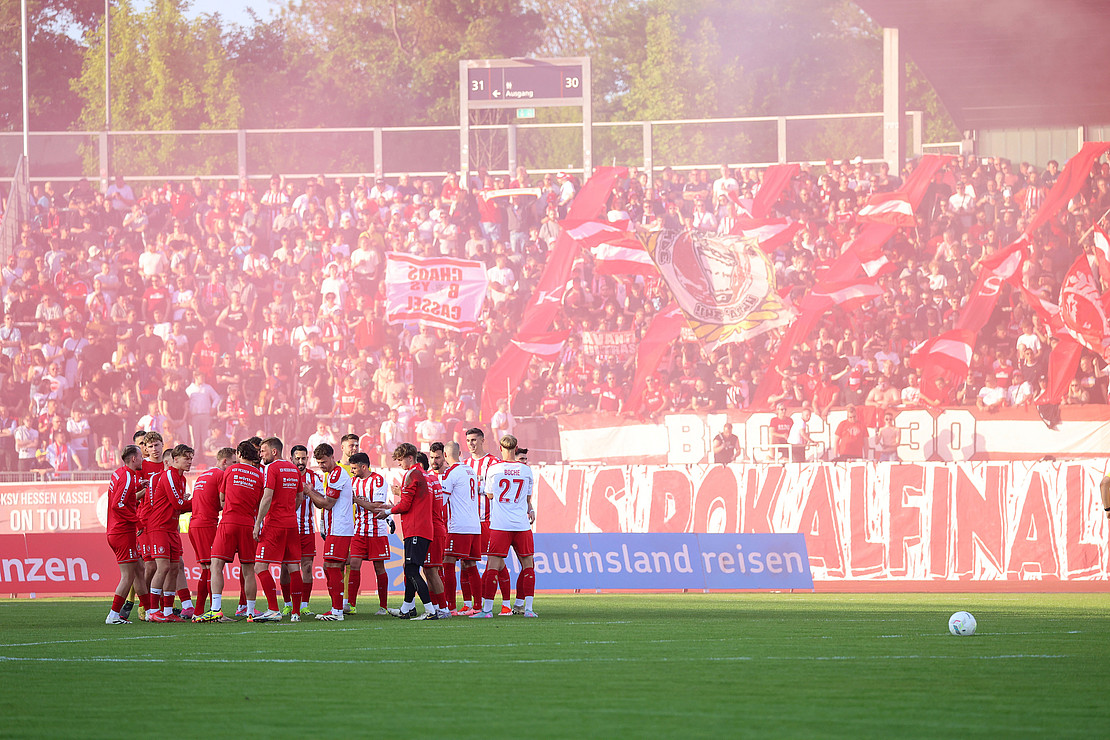 Image: Andreas Fischer
from the Auestadion in Kassel (KSV has not yet taken part in the program due to a lack of full-time fan representatives).
Why further training for fan representatives?
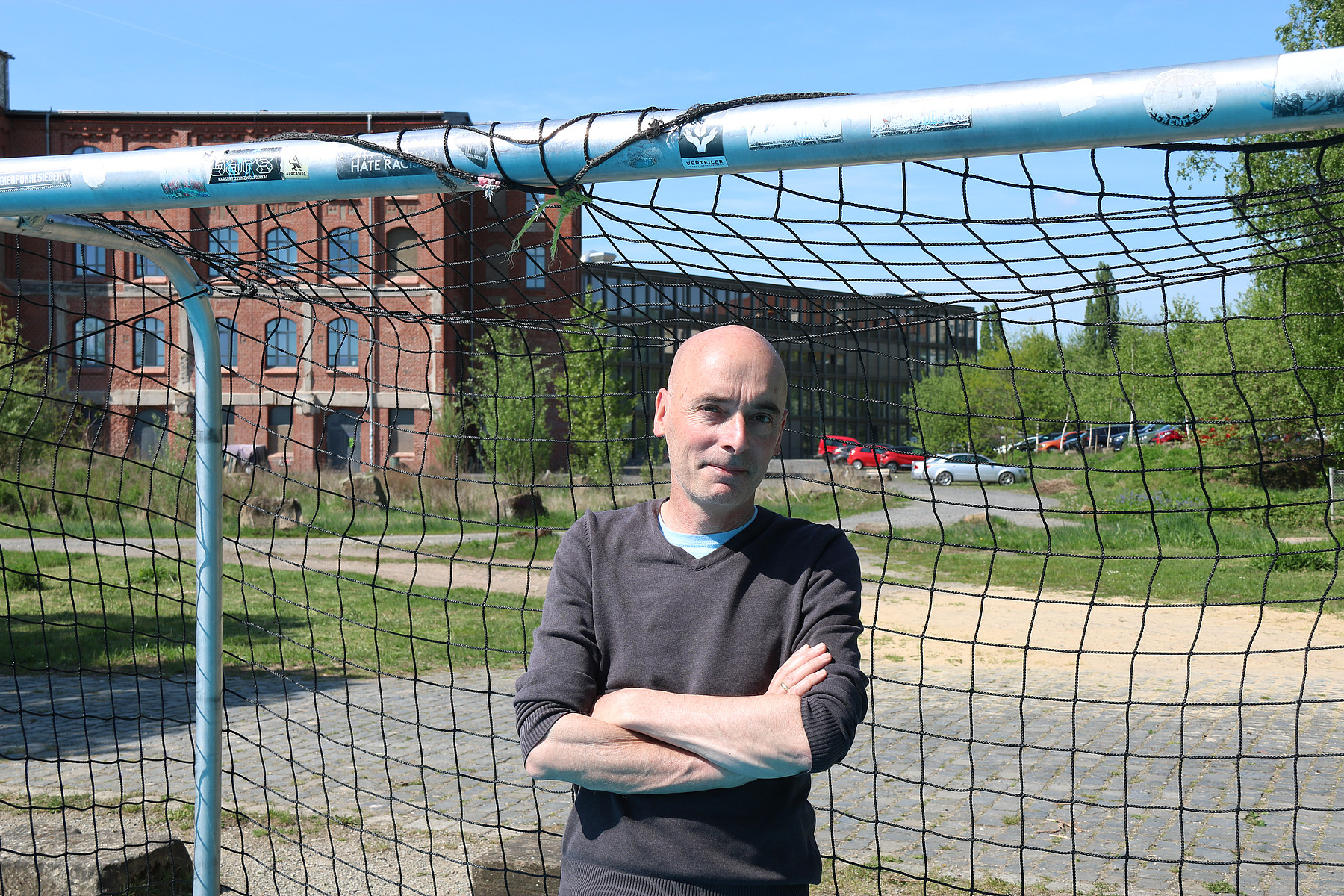
There was already a connection between the University of Kassel and the German Football League (DFL) through previous research collaborations. The idea for the certificate course ultimately arose from a clear need. "Thomas Schneider, the outgoing Head of Fan Affairs at the DFL, approached us and said: 'We have to do something for fan representatives'," recalls Dr. Martin Seip, course manager and experienced coach for conflict management and communication. Schneider had recognized that fan representatives need sound professional training in order to master the complex demands of their job, especially in difficult situations such as relegation or major conflicts. "We were approached because it was necessary to give the fan representatives something solid to help them cope with their tasks not only in their day-to-day work, but also in the event of extraordinary challenges," says Seip. In the past, fan representatives usually came from the fan scene itself or were former players - personalities with close ties to the club. Today, the group is more diverse: more and more academically trained people and career changers from other professions are taking on such roles. Nevertheless, the position often remains precarious: there is no collective bargaining protection and salaries vary significantly depending on the economic situation of the clubs - they are often low. In addition, career prospects depend heavily on the club's sporting development. Relegation or sporting failures can have a direct impact on the future of fan representatives. Moreover, it is almost impossible to change clubs in this role, as authenticity and loyalty are essential for fan work.
From fan culture to police law
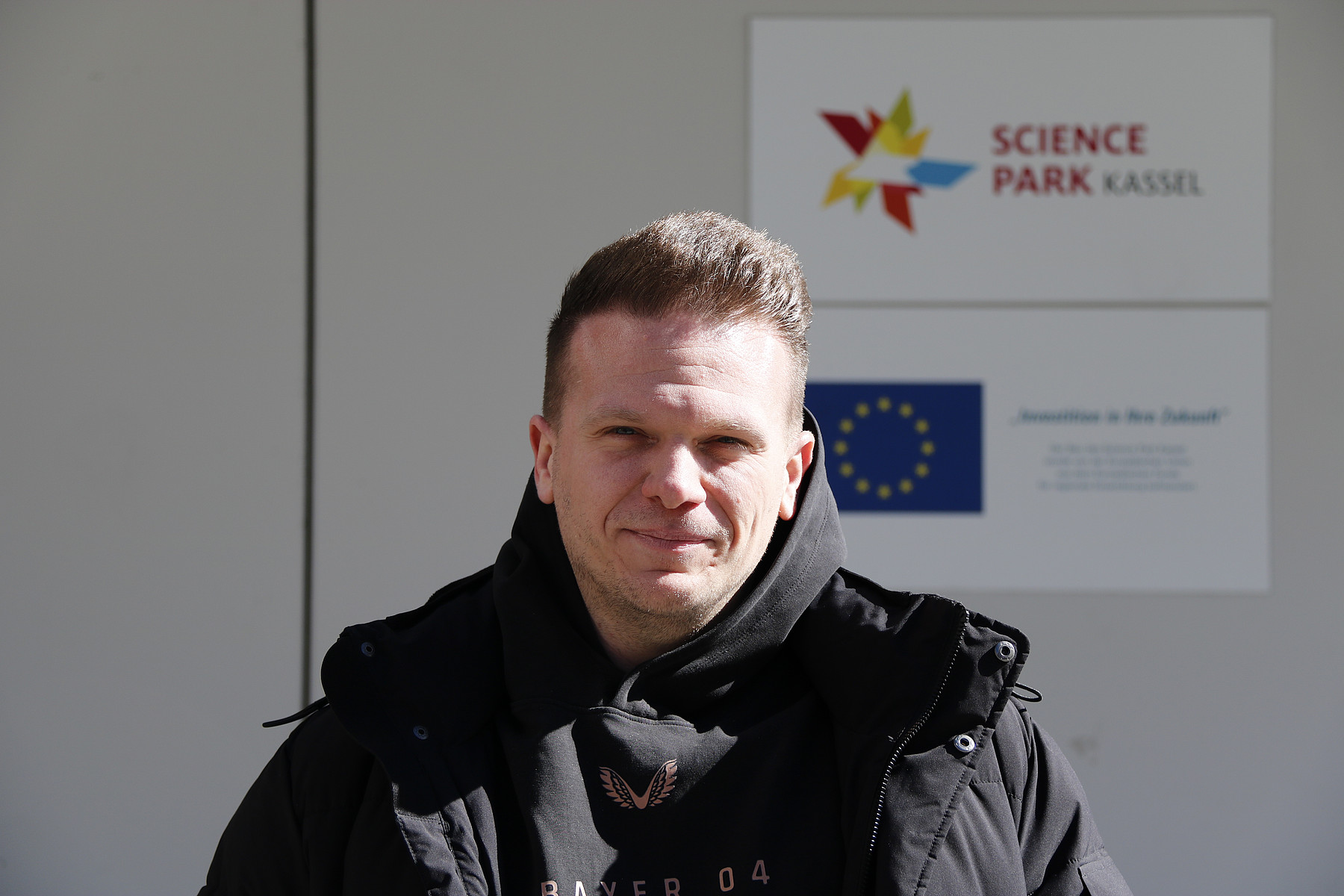
The first course for the "Fan and Spectator Management" certificate program was finally launched in 2015 / 2016. The program is divided into nine modules. In addition to fan culture, project management and communication, the curriculum also includes crowd management, police law and security as well as legal knowledge. Other focal points include conflict management, strategic planning and leadership skills. Participants defend their project work in a final presentation. The cost of the course is 9,750 euros per participant, but is generally covered by the associations. Each module is structured in such a way that it can be combined with work: A three-day course is held every three months. Sebastian Friedrich, fan representative of Bayer 04 Leverkusen and participant in this year's certification program, describes the added value: "Quick-wittedness and communication are the be-all and end-all in our job. Although there are various training courses offered by the DFL throughout the season, a course like this is even more intensive." Friedrich also considers the exchange with colleagues from other clubs to be particularly important: "Here you get numerous tools that make everyday working life easier and open up new perspectives."
Will further training become mandatory?
Fan work in the Bundesliga is about to undergo a transformation. The DFL currently recommends certified fan representatives in every Bundesliga team. However, there is no license requirement yet. If the certificate course establishes itself as the industry standard, this could lead to mandatory further training for fan representatives in the long term. For Seip, one thing is clear: sound professional training significantly improves communication between fans and clubs. "Fan representatives must act in a reflective, organizationally strong and professional manner. Anyone who focuses on their personal antipathies cannot do this job professionally. These are exactly the things we teach in our program."