
Landscapes for biodiversity, food, climate and more
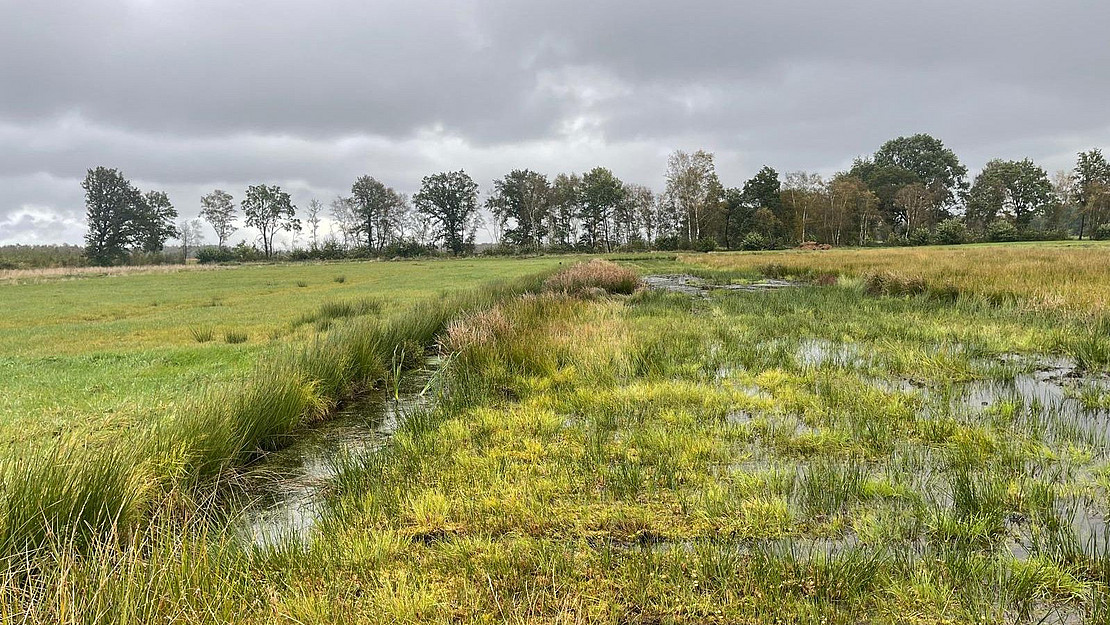 Image: Claudia Heindorf.
"Only if we understand synergies and conflicts of use can we develop land use systems that secure food, regulate the climate, enable recreation and at the same time preserve biodiversity," explains Dr. Marion Jay, research associate at the Department of Agricultural Economics and Rural Development at the University of Göttingen. With this in mind, the researchers analyzed theoretical concepts and practical approaches to land use from different continents and time periods. In their article, they present a variety of models that promote biodiversity and multifunctionality in landscapes.
The resulting landscapes are diverse, according to the researchers. What they often have in common, however, is a closely networked mosaic of forests, arable land, pastureland and, in some cases, settlements, which reconciles several land use requirements. They cite traditional pasture and agroforestry as proven examples. However, both are being displaced by global trends such as the mechanization of agriculture. In contrast, other modern multifunctional land use systems are being promoted worldwide, such as "urban green and blue infrastructure". Urban forests, parks or urban wetlands are designed in such a way that they can serve human well-being, biodiversity, the regulation of weather extremes and urban agriculture, for example. Multifunctional land use also contributes to the restoration of destroyed nature. One example of this described in the article is paludiculture, which combines the production of biomass, such as reeds or bulrushes, with the preservation of wet habitats and the restoration of ecosystem services such as carbon storage and water regulation through the soil-conserving management of rewetted moors.
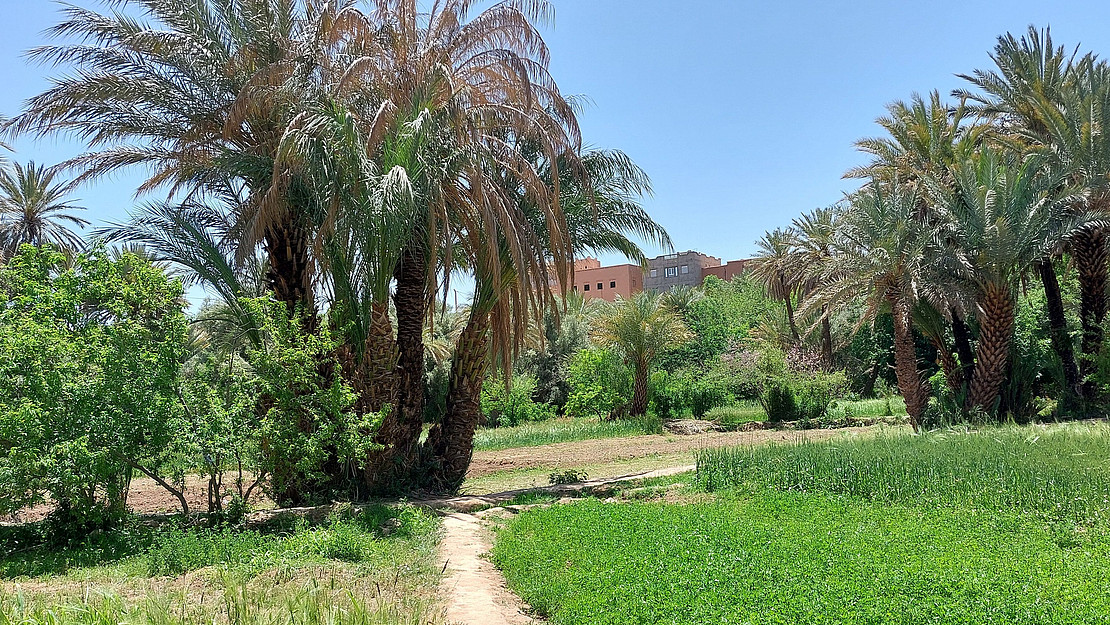 Image: Tobias Plieninger.
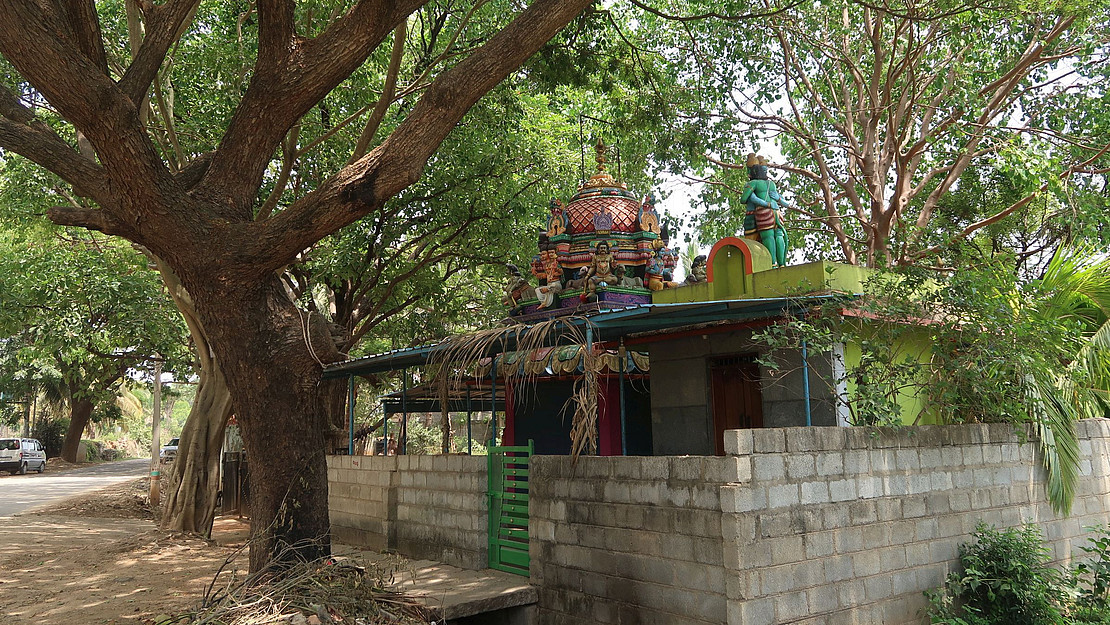 Image: Tobias Plieninger.
In order to effectively integrate multifunctional land use concepts into nature conservation and renaturation measures, commitment is needed at various levels: "Cross-sectoral cooperation, for example between agriculture, nature conservation and urban planning, is crucial. This also applies in landscapes where the protection of biodiversity is paramount, such as in protected areas," says Prof. Dr. Tobias Plieninger, Head of the Department of Social-Ecological Interactions in Agricultural Systems at the Universities of Göttingen and Kassel. "Equally important are financial promotion and support not only for public but also for private investment and new business models."
The article was published in the journal Nature Reviews Biodiversity and can be viewed at the following link: https://www.nature.com/articles/s44358-025-00091-4.
Contact:
Dr. Marion Jay
Georg-August-Universität Göttingen
Faculty of Agricultural Sciences
Department of Agricultural Economics and Rural Development
Platz der Göttinger Sieben 5, 37073 Göttingen
Phone: 0551 39-21228
Email: marion.jay[at]uni-goettingen[dot]de
Internet: www.uni-goettingen.de/de/677082.html
 Image: Claudia Heindorf.