
Ludwig Harig
The content on this page was translated automatically.
In January 2001, the University of Kassel (GhK) was expecting its next Brothers Grimm guest professor. In Ludwig Harig came a writer whom his grandmother liked to call an "air coachman" and whose travels still take him to the fringes and tricky zones of the past.
In the 1950s, Ludwig Harig tried out a way of writing in the environment of the language-experimental Stuttgart School around Max Bense, in which he attempted to write against the prevailing aesthetics of the 1950s using the means of concrete poetry.
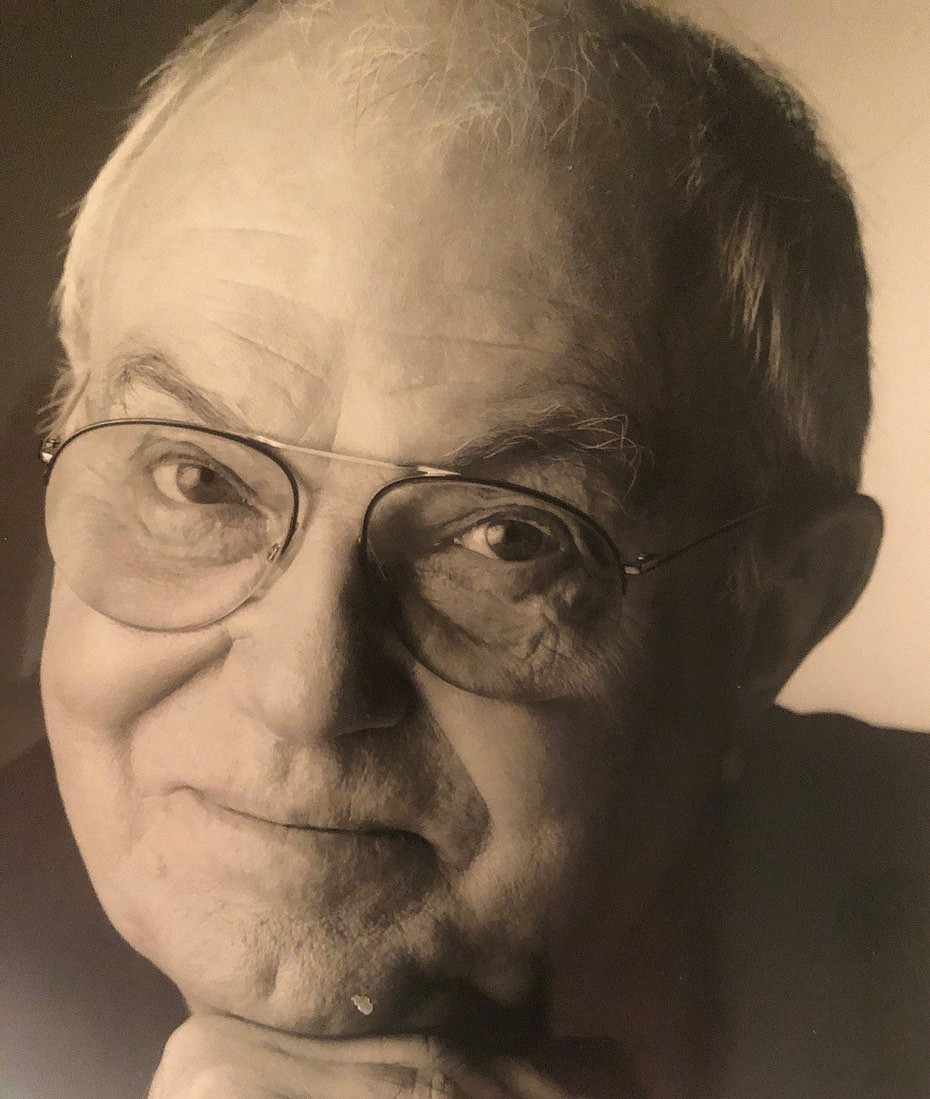 Image: Archive Ludwig Harig
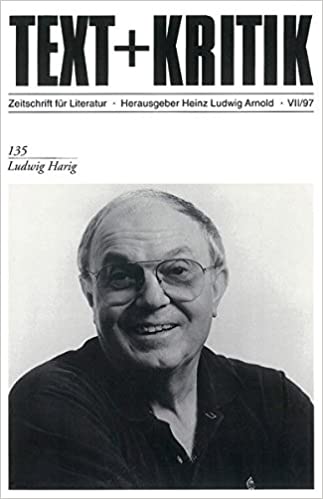 Image: text+criticism
During the 1960s, he worked in various borderline areas of literature, in particular for radio plays, here too with the aim of criticizing ideological forms of communication using linguistic means.
Harig's autobiographical trilogy of novels published between 1986 and 1996 - Ordnung ist das ganze Leben, Weh dem, der aus der Reihe tanzt and Wer mit den Wölfen heul, wird Wolf - brought him to the attention of a wider literary public.
Ludwig Harig was born on July 18, 1927 in Sulzbach/Saar. After completing his teacher training, he initially worked in Lyon. From 1950-1970 he was a primary school teacher in Dudweiler/Saar.
GPP event series with Ludwig Harig
In two lectures, Harig offered his Kassel listeners an examination of the novel Der große Meaulnes, the only book by the Frenchman Henri Alain-Fournier (1886-1914), of which Harig writes in the ZEIT column "Mein Jahrhundertbuch": "A book of the century, on which the dust of a time that had just come to an end had already fallen a year after its publication - but did not remain! What it announces poetically is fulfilled in the reality of life." For Harig, the novel has become a cult book for a French and German youth searching for peace and meaning.